A rental can feel like decorating with one hand tied behind your back — you can't knock down a wall, you may not be able to paint, and everything you do has to come undone again one day. But I've seen renters build homes so warm and personal that you'd never guess they didn't own the place. The trick isn't fighting the limits; it's working cleverly within them, and focusing your effort on the things you get to take with you.
Start with your lease and a conversation#
Before you hang, paint, or drill anything, read your lease and talk to your landlord. This isn't the exciting part, but it's the part that protects your money and your peace of mind. Leases vary enormously — some forbid nail holes, some allow painting if you return the walls to their original color, some are far more relaxed than you'd expect. You won't know until you actually check, so check first.
A friendly conversation with your landlord can open doors you assumed were closed. Many will happily approve painting, mounting shelves, or swapping out dated light fixtures if you ask, especially if you offer to restore things when you leave or do the work to a good standard. It costs nothing to ask, and a yes turns a long list of "can'ts" into a list of "go aheads." Get any agreement in writing, even a simple email, so there's no confusion when it's time to move out.
Knowing exactly what you're allowed to do also frees you up. Instead of decorating timidly, half-afraid you're breaking a rule, you can pour your energy confidently into the changes you know are safe. Clarity at the start is what lets you relax and actually enjoy making the place yours, with your deposit fully protected.
Invest in what moves with you#
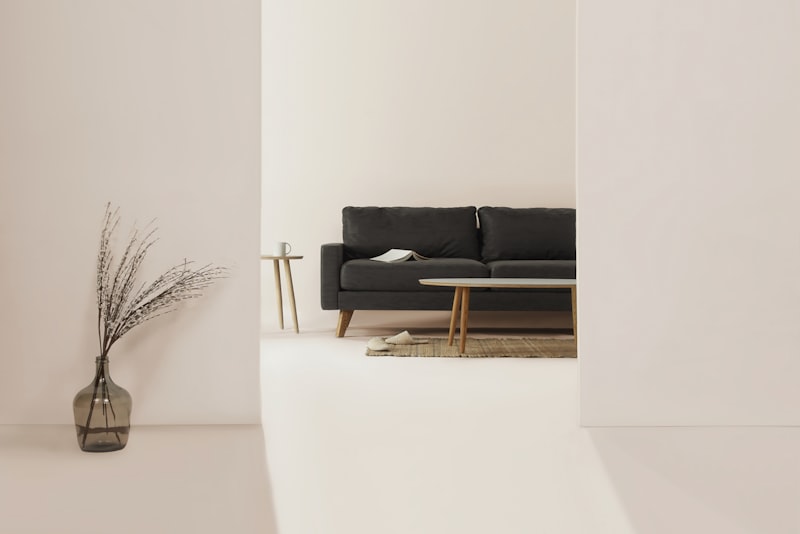
The smartest money in a rental goes into freestanding pieces — the furniture, rugs, lamps, and art you'll unplug, lift, and carry to your next home. Because these aren't tied to the building, every dollar you spend on them follows you. A sofa you love, a solid table, a great rug, a couple of good lamps: buy these well, and they'll furnish not just this rental but the three after it, slowly building a collection that's genuinely yours.
This is the opposite of the trap many renters fall into, which is spending on the apartment itself — built-ins, permanent fixes, anything bolted down — and leaving it behind for the next tenant. Treat that fixed layer as someone else's responsibility. Your job is to make it livable and pleasant, but your investment belongs in the portable layer, because that's the part that's actually an asset rather than a gift to your landlord.
In a rental, spend on what you can pack. Furniture, lamps, rugs, and art move with you; everything bolted to the building belongs to the next tenant.
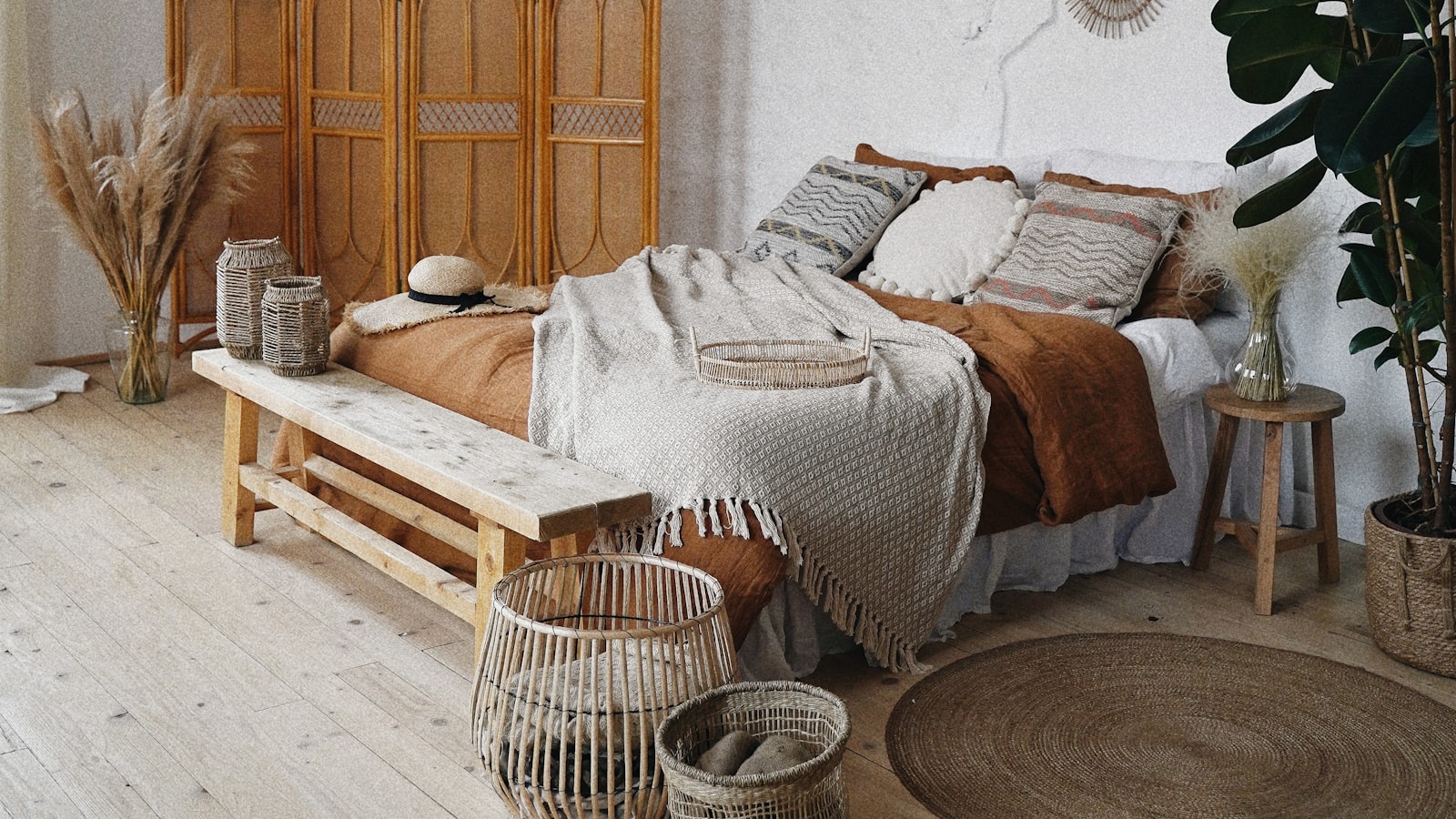
A rug is the renter's secret weapon here, worth a special mention. It covers tired or unattractive flooring you can't replace, defines a space, adds warmth and softness underfoot, and rolls right up on moving day. Layering rugs — a smaller one over a larger neutral, or over carpet you'd rather not look at — is one of the easiest ways to make a generic rental floor feel intentional and cozy, with zero damage and a piece you keep forever.
Add personality without leaving a mark#
Even when you can't paint or drill, there's an entire toolkit of damage-free ways to stamp your personality on a rental. The market is full of removable products designed exactly for this, and used well they're nearly invisible to a landlord. The goal is to add warmth, color, and character while keeping every surface returnable to how you found it. A few renter-friendly moves that punch well above their weight:
- Use removable wallpaper or peelable decals to add pattern to one wall, then check they lift cleanly before committing the whole room.
- Hang art and mirrors with damage-free strips, picture rails, or leaning instead of nailing into walls.
- Swap out a dated light fixture or builder-grade shade — but keep the original safely boxed to reinstall when you leave.
Test any adhesive or removable product on a small, hidden patch first, and follow the instructions on timing and removal, because "damage-free" only holds true when it's used as intended. Where a change does touch the building — a different light fixture, mounted shelves — handle it carefully, keep the original parts, and bring in a licensed professional for any electrical work. Done thoughtfully, these tricks let you express yourself fully while leaving the apartment exactly as you found it.
Lean on light, texture, and green things#
The best part of decorating a rental is that the things which make a home feel most alive don't touch the walls at all. Lighting is the biggest lever. Rentals notoriously rely on a single harsh overhead fixture, so bring in your own lamps — a floor lamp in a corner, a couple of table lamps at different heights, all fitted with warm-toned bulbs. Those soft pools of light do more to transform a cold, generic space into a welcoming one than almost anything else, and they pack up in a single box.
Texture and softness do the rest. Layer in cushions, throws, and curtains — and a tip worth remembering is to hang curtains higher and wider than the window, which makes any room feel taller and more gracious, often disguising a mean little rental window in the process. Soft furnishings introduce color and comfort, absorb the echo of an empty-feeling apartment, and travel with you. Then add living things. A few plants, even one trailing pothos on a shelf, bring life, softness, and a sense of care that no amount of furniture quite replicates.
Decorating a rental well is really a mindset. You're not trying to renovate someone else's property; you're building a portable home that happens to live inside it for a while. Check your lease, invest in what moves with you, use removable tricks for the rest, and let light, texture, and greenery do the heavy lifting. Do that, and your rental will feel unmistakably like yours — warm, personal, and entirely you — while your deposit stays exactly where it belongs. And the loveliest part? When you move on, you take the whole home with you.