Neutrals get an unfair reputation for being safe and a little dull, the choice you make when you can't decide. Done carelessly, sure, a beige room can fall flat. But done with care, neutrals are some of the most beautiful, restful, endlessly liveable spaces there are — the kind of room you sink into and never want to leave.
Let texture do the talking#
In a colorful room, color carries the interest. Take the color away and something has to step in to keep the space from feeling lifeless — and that something is texture. This is the single most important idea in decorating with neutrals: when you remove the contrast of color, you make up for it with the contrast of touch.
Think about everything a surface can feel like. A nubby wool throw, a smooth linen cushion, a chunky knit, a sleek ceramic, rough timber, soft sheepskin, woven rattan, brushed metal, a worn leather. In a neutral room, every one of these reads loud and clear, because nothing is shouting over it with color. The play of matte against shine, soft against hard, smooth against coarse is what gives a quiet palette its depth and its quiet drama.
So as you decorate, audit your room for texture the way you might otherwise audit it for color. Is everything smooth and flat? Add something woven, something soft, something rough. The goal is a room you'd enjoy running your hand across — and a room that's interesting to touch is almost always interesting to look at, even when the whole thing is the color of oatmeal and cream.
Build with many tones, not one#
A common neutral mistake is choosing a single beige and using it everywhere — same walls, same sofa, same rug, same curtains. The result is flat and a little institutional, because there's no movement for the eye to follow. The fix is to think of neutral not as one color but as a whole family of closely related tones, and to layer several of them together.
Picture the difference between a sandy beach and a sheet of cardboard. Both are roughly "tan," but the beach is alive with countless shades — pale at the dry top, darker where it's wet, flecked with shells and stones. That subtle variation is what makes it beautiful. Bring the same idea indoors: a cream wall, an oatmeal sofa, a greige rug, taupe cushions, a few darker wood pieces. Each tone is gentle on its own, but together they create soft, low gradients that feel rich rather than monotonous.
A great neutral room isn't one color repeated. It's a dozen close cousins of a color, layered until the whole thing glows.
You don't need much contrast between the tones — in fact, keeping the contrast soft is what makes a neutral room feel so calming. The shifts can be barely-there. But those small steps from light to slightly-less-light give your eye somewhere to travel, and that gentle movement is the difference between serene and dead.
Pick a temperature and commit#
Neutrals lean warm or cool, and one of the easiest ways to make a neutral room feel off is to mix the two without meaning to. Warm neutrals carry a hint of yellow, pink, or red — creams, sand, taupe, warm greige. Cool neutrals carry a whisper of blue or gray — crisp white, dove gray, cool stone. Both are lovely. Side by side, though, a cool gray can make a warm cream look dirty, and a warm beige can make a cool gray look drab.
The simplest path to a neutral room that feels right is to choose a direction and stay loyal to it. If you love cozy, enveloping spaces, lean warm and let the whole room hum with sand, oat, and honeyed wood. If you love clean, airy calm, lean cool with soft whites and pale grays. Within your chosen temperature you have endless tones to play with, so you won't run out of variety — you'll just keep it harmonious.
This doesn't mean you can never cross the line. A mostly warm room can take one cooler note, and a cool room can warm up beautifully with a wood tone or a touch of brass. The key word is one. Treat the opposite temperature as a rare guest, used deliberately, rather than letting warm and cool fight for the room. When a neutral space feels muddy or restless, a clash of temperatures is very often the hidden culprit.
Anchor it with a deeper note#
A room built entirely from pale, close neutrals can start to feel a little weightless, like a cloud with nothing holding it down. The cure is a touch of something darker or stronger — an anchor that gives the eye a place to land and makes all the soft tones around it read as deliberate rather than washed out.
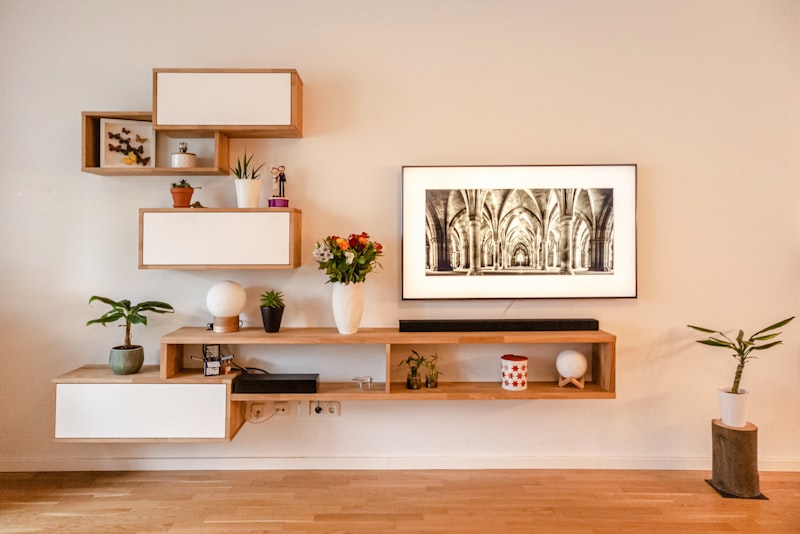
This dark note can be small. A black picture frame, a charcoal cushion, a dark wood coffee table, an iron lamp, the deep green of a single plant. Just a little contrast at the bottom of the scale does something remarkable: it sharpens the whole room, the way a bit of seasoning brings out every flavor in a dish. Without it, the neutrals can blur together; with it, each soft tone suddenly looks intentional.
A few easy ways to give a neutral room its anchor:
- Introduce one piece in a deep tone — espresso wood, charcoal, black, or forest green.
- Let metal hardware, frames, or a lamp provide a darker punctuation point.
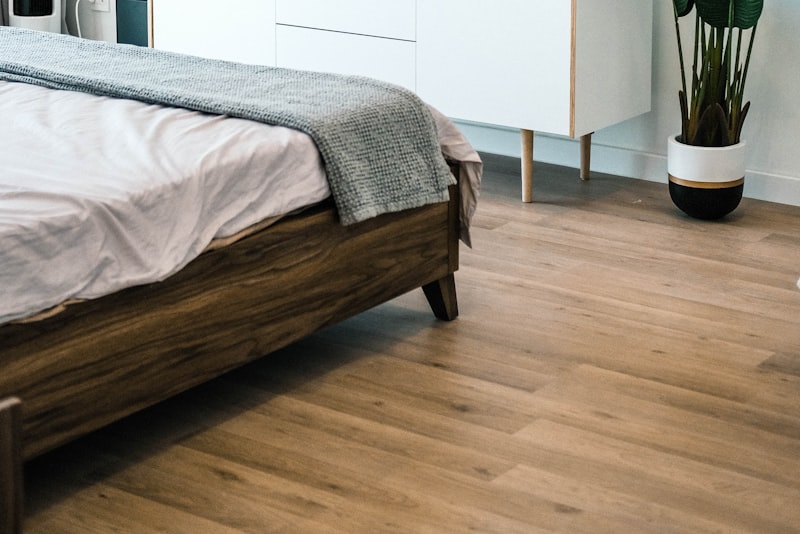
- Add a generous plant so living green grounds the palette and brings it to life.
You're not breaking the neutral scheme by doing this — you're completing it. The contrast is what lets the gentleness sing, and a single well-placed dark note often transforms a room that felt vague into one that feels resolved.
Quiet, never boring#
Decorating with neutrals is a lesson in subtlety, and once it clicks, it's hard to go back. The pleasures are slower and deeper than a bold color hit: the way light moves across layered tones through the day, the satisfying mix of textures under your hand, the sense of calm that a well-considered neutral room gives off the moment you step in. None of it is accidental. It comes from texture doing the work of color, many tones standing in for one, a clear temperature, and a grounding note of contrast.
So if you're drawn to neutrals, embrace them fully and confidently. They are not the absence of a decision — they're a sophisticated decision in their own right. Layer the textures, gather the close tones, pick your warmth or coolness, anchor it with a little depth, and you'll end up with a room that's anything but boring. It'll be the calmest, most welcoming space in your home, and the one you'll love coming back to.