There's nothing that warms up a room quite like a living plant. A space can be beautifully arranged and still feel a little static until you add greenery — then suddenly it breathes. Decorating with plants isn't about having a green thumb or a jungle in every corner; it's about choosing the right plant for the right spot and styling it with the same care you'd give any other piece in the room.
Start with light, not looks#
The most common plant mistake has nothing to do with watering — it's buying the plant you fell in love with and bringing it home to a spot it will quietly hate. Light is the first language of plants, and learning to read it in your own rooms is the single most useful skill you can have. Before you choose anything, spend a few days noticing how light moves through the space you want to fill.
A south-facing window that blazes all afternoon is a different world from a north-facing corner that stays soft and dim. Watch where the sun actually lands and for how long. A bright spot near a sunny window suits plants that crave strong light, while a shadier corner calls for the tougher, low-light survivors that don't mind a gentler room. When you match a plant to the light it genuinely wants, it rewards you by thriving — and a thriving plant is always more beautiful than a struggling one, no matter how stylish.
If a corner you love is simply too dark, don't force it. That's the place for a plant bred for shade, or honestly, for a healthy faux plant that gives you the shape and green without the slow decline. There's no snobbery here — a good-looking artificial plant in a hopeless corner beats a real one that's giving up. Decorating well means working with your rooms as they are, not as you wish they were.
Use plants like a designer#
Once you know where plants can live, start thinking of them the way you'd think of any decorative object: in terms of height, shape, and the role they play in the room. Greenery is wonderfully versatile, and a single plant can solve a surprising number of design problems if you place it with intention.
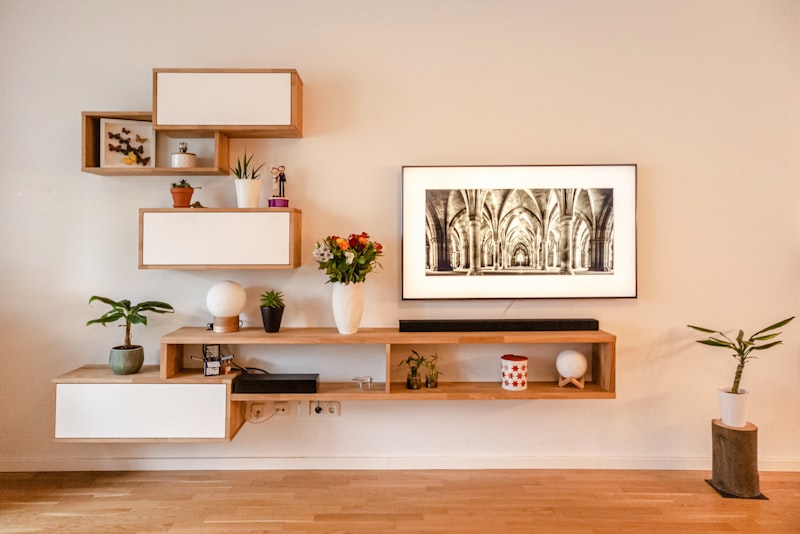
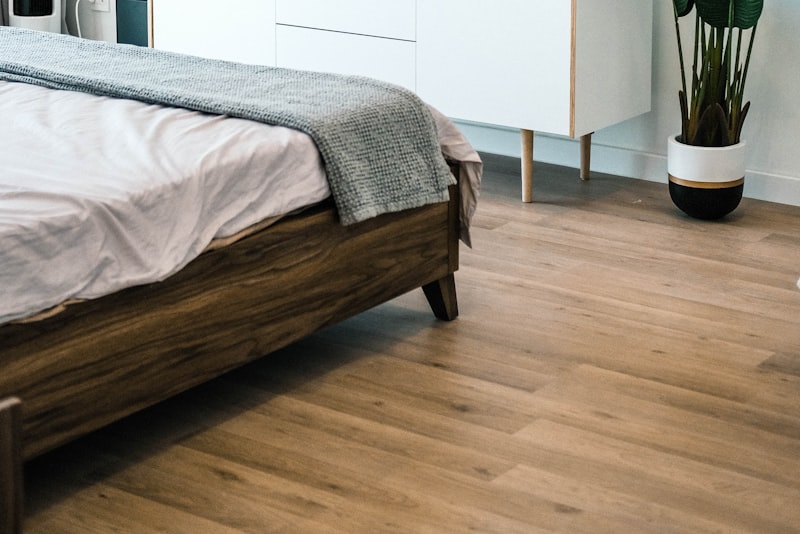
A tall floor plant can anchor an empty corner, soften a hard architectural edge, or fill the awkward gap beside a sofa where nothing else quite fits. A trailing plant on a high shelf draws the eye upward and breaks up rigid lines with its gentle cascade. A small plant on a side table or windowsill adds a final note of life to a vignette. Vary the heights and silhouettes across a room — something tall and sculptural, something low and full, something spilling over an edge — and you create the same natural rhythm that makes any arrangement feel alive.
A room full of right angles and hard surfaces softens the instant you add something growing. Plants are the easiest way to bring movement and life into a space that feels too still.
Pay attention to leaf shape, too, because it carries personality. Big, bold leaves feel lush and tropical and make a confident statement. Fine, feathery foliage feels delicate and airy. Spiky, architectural plants feel modern and graphic. You don't need many — even one well-placed plant changes a room — but choosing shapes that suit the mood you want gives your greenery a point of view rather than just filling space.
Pots are part of the décor#
Here's a step that's easy to skip and makes an enormous difference: the pot matters as much as the plant. A gorgeous plant in a flimsy plastic nursery pot looks unfinished, while the same plant in a beautiful container suddenly reads as decoration. The pot is the plant's frame, and it's your chance to tie the greenery into the rest of the room.
Think about the planters as a small collection rather than a set of unrelated containers. They don't all need to match — in fact, a little variety is more charming — but they should feel like they belong together and to the room. A few ways to make a group of pots feel considered:
- Keep to a loose palette of materials or tones, like warm terracotta, woven baskets, and a couple of neutral ceramics, so the collection feels intentional.
- Let pot size suit plant size, giving big plants substantial containers and small plants modest ones, so nothing looks lost or top-heavy.
- Echo a material already in the room — wood, brass, stone, woven fiber — so the plants feel woven into your décor rather than dropped in.
A simple trick keeps things easy: leave the plant in its plastic nursery pot and slip the whole thing inside a prettier cachepot. You get the good looks without repotting, and you can swap containers whenever your taste shifts.
Group, layer, and let them grow#
Plants almost always look better in company. A single plant alone on a vast windowsill can look a bit lonely, but a cluster of three or five at varying heights reads as a lush, intentional moment. Grouping in odd numbers tends to feel more natural and relaxed than perfectly paired arrangements, and gathering plants together also makes them easier to care for since they share similar light and a bit of welcome humidity.
When you build a group, layer the heights as you would on a styled shelf: a taller plant at the back, a medium one beside it, something trailing or low in front. Mix leaf shapes within the cluster so it has texture and contrast. The goal is a little gathering that feels collected over time, not bought in one trip. And don't aim for a room so full of greenery that it competes for attention — restraint reads as confidence. A few healthy, well-placed plants will always feel more designed than a crowd of struggling ones.
Decorating with plants is one of the most forgiving and rewarding ways to bring a home to life. Read your light, vary your heights, dress your pots, and gather your greenery into thoughtful groups, and you'll find a room growing warmer and more alive almost on its own. Best of all, plants change with time — they grow, lean toward the light, and surprise you — so your rooms keep evolving right alongside you. Start with one plant this week, find it the spot it loves, and let your home grow from there.