We tend to assume a high-end home is the result of a high-end budget, but spend time in genuinely beautiful spaces and a different truth emerges. What reads as luxury is almost never about how much things cost. It is about restraint, cohesion, and a handful of considered choices. Once you understand the moves that create that elevated feeling, you can recreate most of them for a fraction of what you would expect.
Luxury is restraint, not expense#
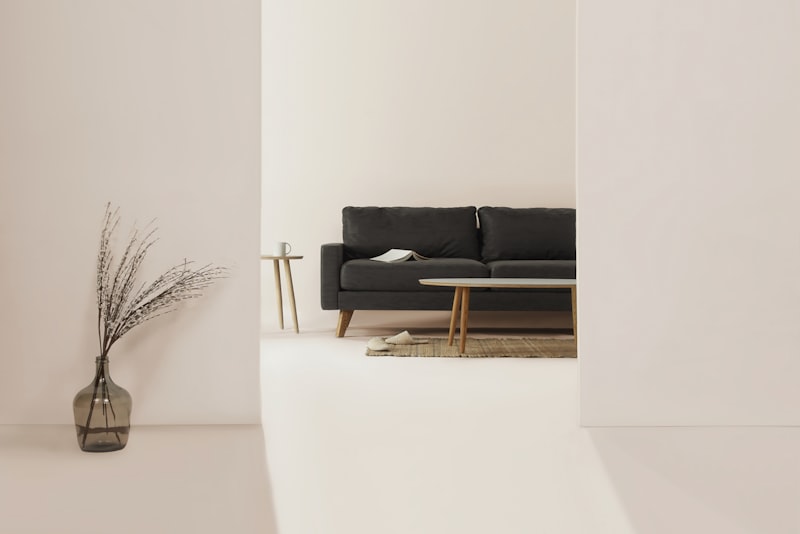
The single biggest difference between a room that looks expensive and one that looks cheap is rarely the price of the furniture. It is the level of restraint. Cluttered, busy spaces read as chaotic no matter what they cost, while calm, edited rooms feel luxurious even when filled with modest pieces. The eye reads breathing room as confidence, and confidence reads as money. So the first and cheapest step toward a high-end look is to take things away.
A cohesive, limited color palette does an enormous amount of this work for free. Expensive-looking rooms tend to stick to a tight family of tones, often soft neutrals warmed by natural materials, with color used sparingly and deliberately rather than everywhere at once. When everything in a room belongs to the same quiet family, the space reads as considered and serene. You do not need costly things to achieve this; you need to stop the visual noise. Edit out the mismatched, the clashing, and the merely accumulated, and what remains will feel more intentional immediately.
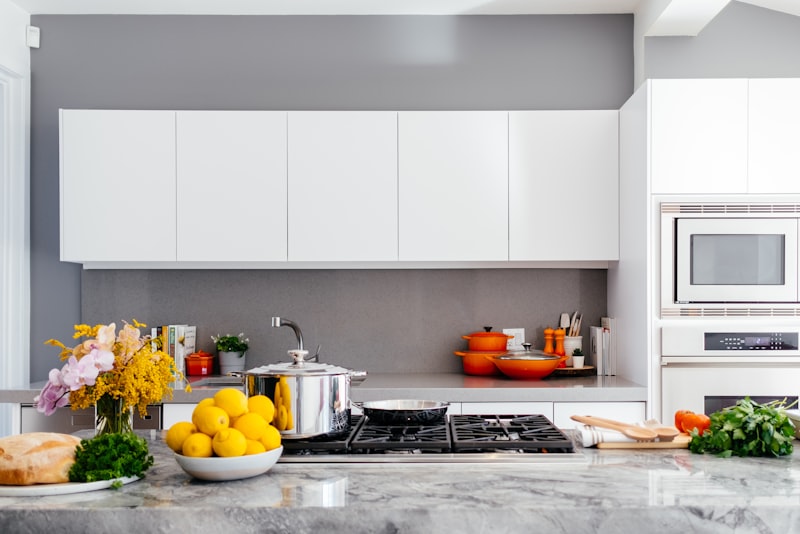
Consistency matters in the details too. Mismatched, flimsy hardware, a tangle of visible cords, and frames in five different finishes quietly signal "thrown together," while unifying these small elements signals care. Swapping cheap cabinet handles for a single elegant style, tucking cords out of sight, and choosing frames in one consistent finish are tiny, affordable changes that lift the whole room. None of this costs much. All of it makes a space feel more deliberate, and deliberate is exactly what we read as high-end.
Spend where it counts, save where it doesn't#
Getting an expensive look for less is not about cheapening everything equally. It is about being strategic with where your money goes. The reliable rule is to invest in the things you touch and use most, and save on the things you mostly just look at. Splurging a little on the pieces that carry your daily life, then economizing elsewhere, gives you the feel of quality where it actually registers without blowing the budget.
The trick is not buying everything expensive. It is buying one or two things well and surrounding them with thoughtful, affordable choices that hold their own.
A single well-chosen anchor piece can elevate everything around it. One quality sofa, one beautiful light fixture, or one striking piece of art becomes the thing the eye lands on, and its presence lends a borrowed sense of quality to the modest pieces nearby. Put your splurge there, then fill in around it with secondhand finds, budget basics, and things you already own. Consider directing your spending like this:
- Invest in seating and a mattress, since comfort and daily use justify the cost.
- Save on trend-driven decor, accent pieces, and anything you will likely change.
- Hunt secondhand for solid wood furniture and frames, which often cost far less than new.
The opposite mistake is spreading a budget thin across everything, ending up with a room full of pieces that are all slightly compromised. One genuinely good thing among careful, affordable choices looks richer than a whole room of mediocrity. Decide what your anchor will be, spend there with confidence, and let restraint cover the rest.
Fake luxury with texture and light#
Two nearly free levers create more of a high-end feeling than almost anything you can buy: texture and lighting. Flat, single-note rooms read as cheap, while spaces layered with different textures feel rich and considered. You can build that richness with things you likely already own or can find inexpensively. Combine a nubby wool throw with smooth linen cushions, a jute rug under a soft one, woven baskets beside polished ceramics. The contrast of rough against smooth, matte against sheen, gives a room depth that the eye reads as quality, regardless of what anything cost.
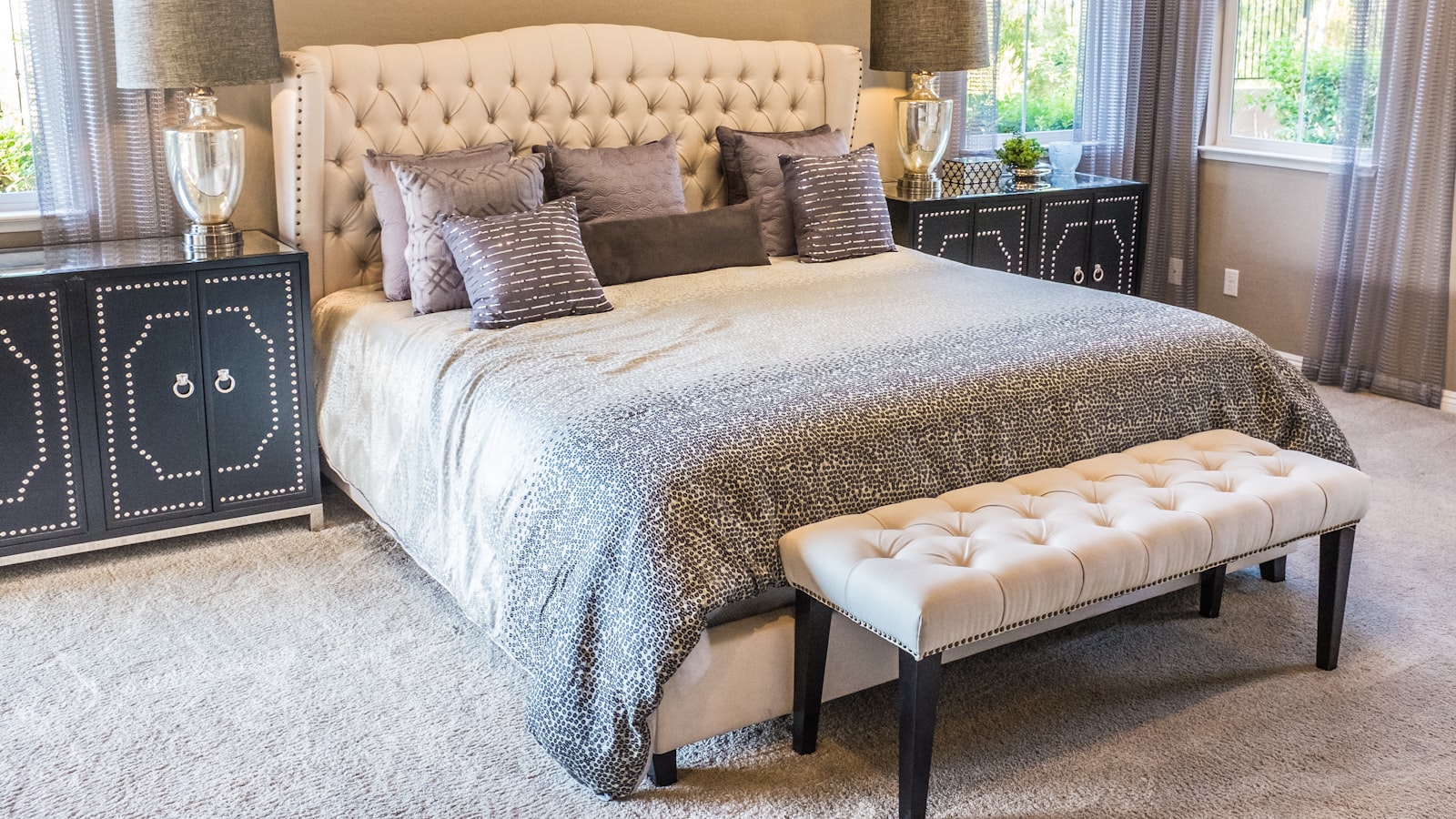
Lighting may be the most underrated luxury of all. Nothing flattens a space and cheapens it faster than a single harsh overhead fixture, and nothing elevates a room more affordably than layered, warm light. Add a couple of lamps at different heights to create pools of warmth, switch to warmer-toned bulbs, and the same furniture suddenly looks softer and more expensive after dark. These are simple plug-in changes anyone can make, and they transform the mood of a room for very little. If you ever want to add hardwired fixtures or move a switch, bring in a licensed electrician, but you will be surprised how far a few good lamps go on their own.
Generous, well-hung window treatments are the finishing touch. Hanging curtains higher and wider than the window itself makes a room feel taller and grander, and a panel of simple, full-length fabric reads as far more luxurious than a short, skimpy one. It is an inexpensive trick that designers lean on constantly, because it borrows a sense of scale and elegance that costs almost nothing to fake.
Elegance is within reach#
A high-end home is not a function of a high-end budget. It is the sum of restraint, cohesion, smart spending, and the quiet richness that texture and light provide. Edit ruthlessly, keep your palette and details consistent, put your money where it touches your daily life, and lean on the nearly free luxuries of layered texture and warm lighting. Do that, and a modestly furnished room can hold its own against spaces that cost many times more, because it shares the choices that actually create the feeling of luxury.
So look at your room and start with the cheapest move first: take something away, unify a few small details, and add a warm lamp where the light is harsh. Then, when you are ready, choose one anchor piece to spend on with confidence and surround it with thoughtful, affordable finds. Step by step, you will build a home that feels elevated and serene, not because you outspent anyone, but because you chose well. That is a kind of elegance no price tag can guarantee and any budget can reach.