When a room feels tight, almost everyone looks at the floor — what to move, what to remove, how to squeeze past. The better move is to look up. The space above eye level is usually the most underused real estate in a small home, and learning to use it is the difference between a room that feels cramped and one that feels open and considered.
Look up and see the room you already have#
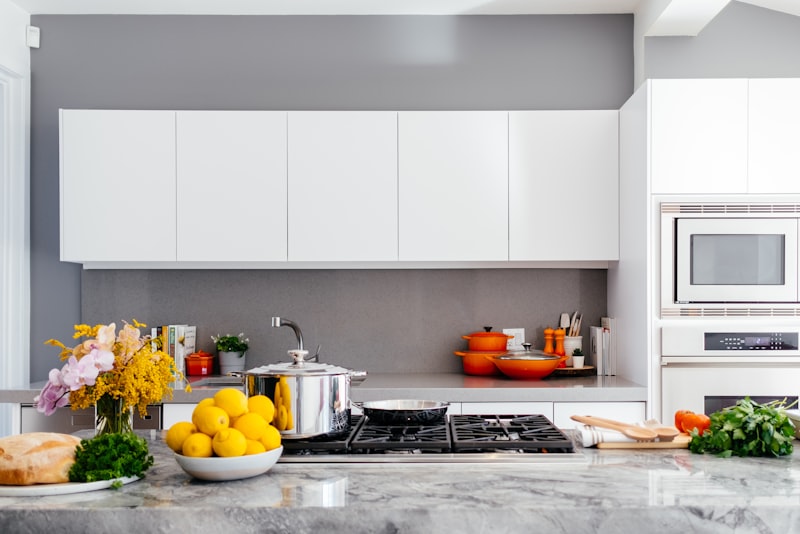
Stand in any small room and notice how much wall sits empty above the furniture. That blank stretch between the tops of your cabinets and the ceiling is square footage you are paying for and not using. Once you start seeing it, you can put it to work — for storage, for display, or simply for drawing the eye upward and making the room feel taller.
The principle is simple: the floor is what tells your brain how big a room is, so the more of it you can keep clear, the larger the space feels. Moving function up the walls frees the floor without losing a single thing you need to store. A tall, narrow bookcase holds as much as a wide low one while taking a fraction of the floor. Wall hooks do the work of a hall stand. A shelf above a doorway swallows the things you rarely reach for.
This is also where small rooms can feel generous rather than apologetic. A wall used confidently all the way to the ceiling looks intentional and architectural, while furniture huddled at knee height with bare walls above it looks like a room that gave up halfway.
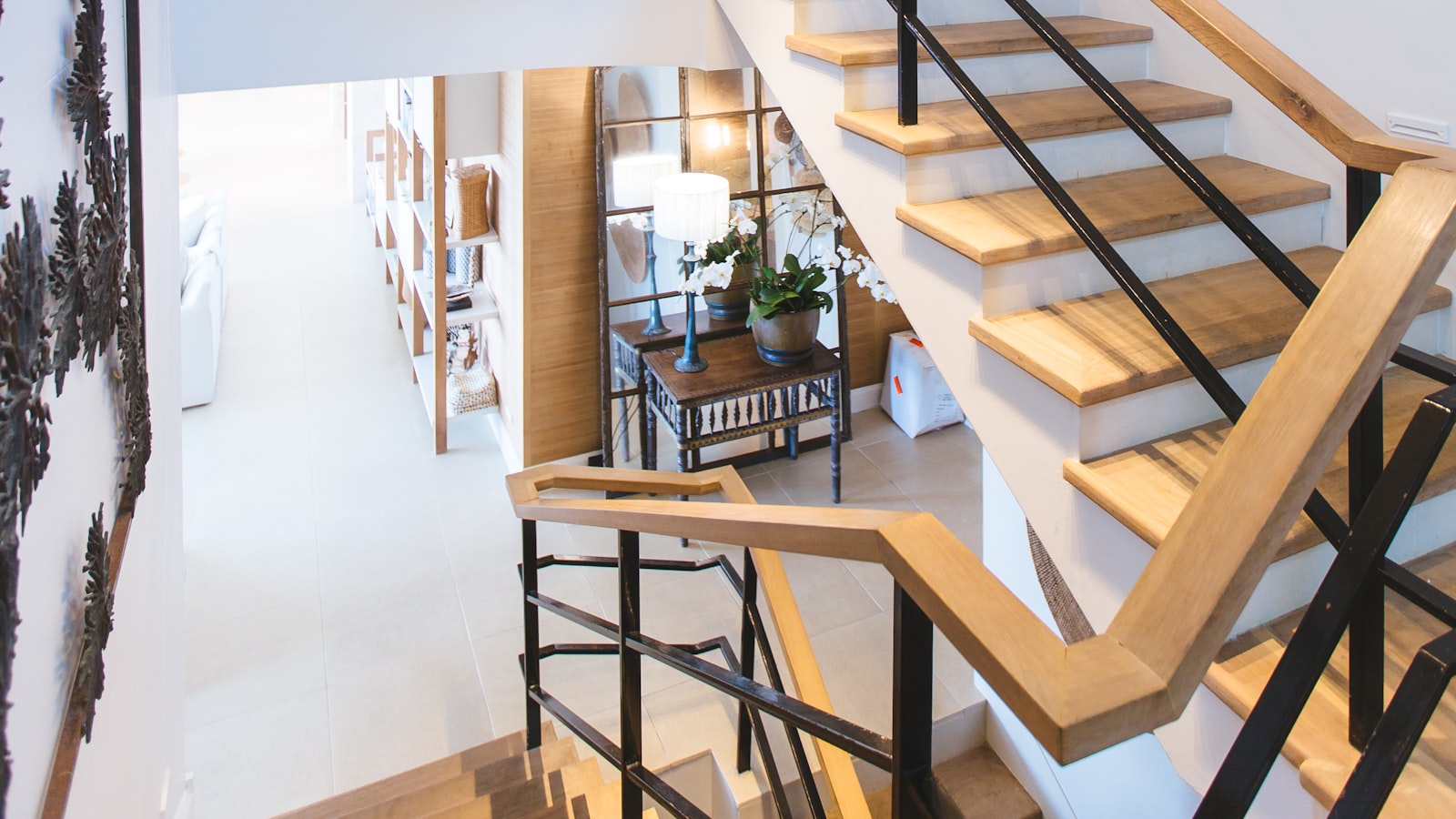
Different rooms hide their vertical space in different places, so it pays to walk through your home looking specifically for it. The wall above a kitchen counter, the run over a doorway, the space flanking a window, the area above a desk or a bed, the back of a tall closet — each is room you already own and rarely use. Once you train your eye to notice these gaps, you stop thinking of a small home as short on space and start thinking of it as full of walls you have not yet put to work. That shift in how you see the room is half the battle.
Lift things off the floor#
The fastest way to make a small room breathe is to get furniture and fixtures off the floor and onto the wall. Every piece you can mount or raise hands you back a patch of visible floor, and visible floor reads as space.
The less your floor has to carry, the bigger the room feels — empty floor is the cheapest square footage you own.
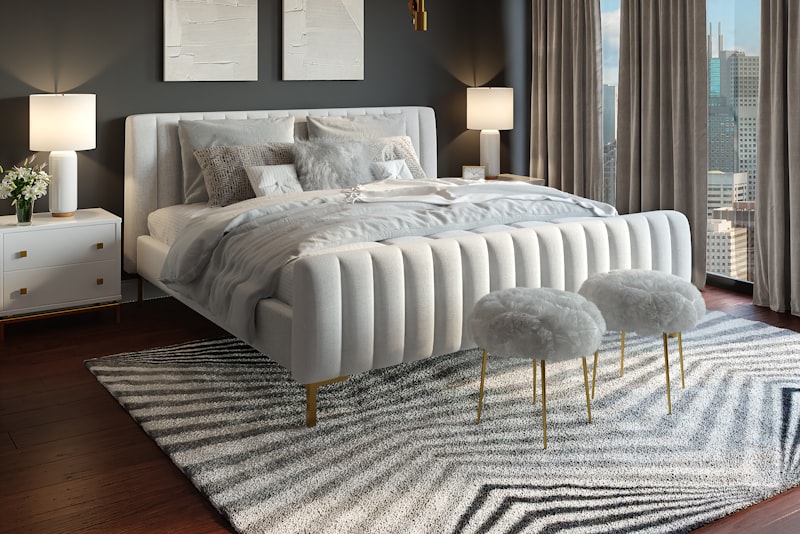
Start with the obvious candidates. Lighting is a gift here: wall sconces and pendants light a room beautifully while leaving side tables and floor space free for actual living. Nightstands, consoles, and even desks can sometimes be wall-mounted, floating above a clear floor that the eye can travel right across. Where you cannot mount a piece, choose one with legs — letting daylight and floor show underneath reads as far airier than a solid block sitting flush to the ground.
The same thinking applies to the things you store. Off-season clothes, spare bedding, and seldom-used kit can live up high in baskets or boxes on a top shelf, well out of the way but easy to reach with a step. Keep the lower, eye-level zones for what you use daily and send the rest upward. A room organized this way feels calm because the busiest height — where you actually live — stays clear.
Draw the eye upward to add height#
Using vertical space is not only about storage. It is also a styling trick that makes ceilings feel higher and rooms feel grander than they are. Anything that leads the eye upward stretches the space, because your brain reads height as openness.
A few moves reliably help:
- Hang curtains high and let them fall to the floor to lengthen the wall
- Run shelving or cabinetry toward the ceiling rather than stopping low
- Choose tall, slim plants or a single piece of art hung a touch higher than usual
- Use vertical lines — narrow paneling, a tall mirror, a column of frames — to lead the eye up
The goal is to keep the eye moving upward rather than letting it settle at a low, cluttered line. A tall mirror does this especially well: it adds a strong vertical line, bounces light around, and visually borrows the space it reflects. One generous vertical gesture does more than a dozen small horizontal ones, which only chop the wall into busy little sections.
Keep the heights edited and safe#
Vertical space is powerful, but it turns on you the moment it becomes cluttered. A wall stacked floor to ceiling with mismatched stuff feels heavier and busier than bare wall ever did. The skill is to use the height while keeping it visually calm, so the room feels organized rather than crammed from top to bottom.
Treat high shelves the way you would any styled surface: a few well-chosen things with space around them, grouped so they read as deliberate. Let some stretches of wall stay quiet — empty space up high gives the eye somewhere to rest and keeps the room from feeling like a storage unit. Heavier, plainer storage can go higher where it recedes, while the things you want to enjoy sit nearer eye level.
One practical note: things hung high have to be hung safely. Heavy shelving, tall cabinetry, and anything that bears real weight needs to be properly fixed to the structure, and anything involving wiring for lights belongs to a licensed professional. Secured well, your vertical storage is an asset; done carelessly, it is a hazard.
The room you already have is taller than you have been treating it. Look up, send your storage and lighting onto the walls, lead the eye upward with tall lines, and keep those heights calm and well anchored. Do that, and a small home stops feeling like it is closing in around you and starts feeling open, clever, and full of room you did not know you had.