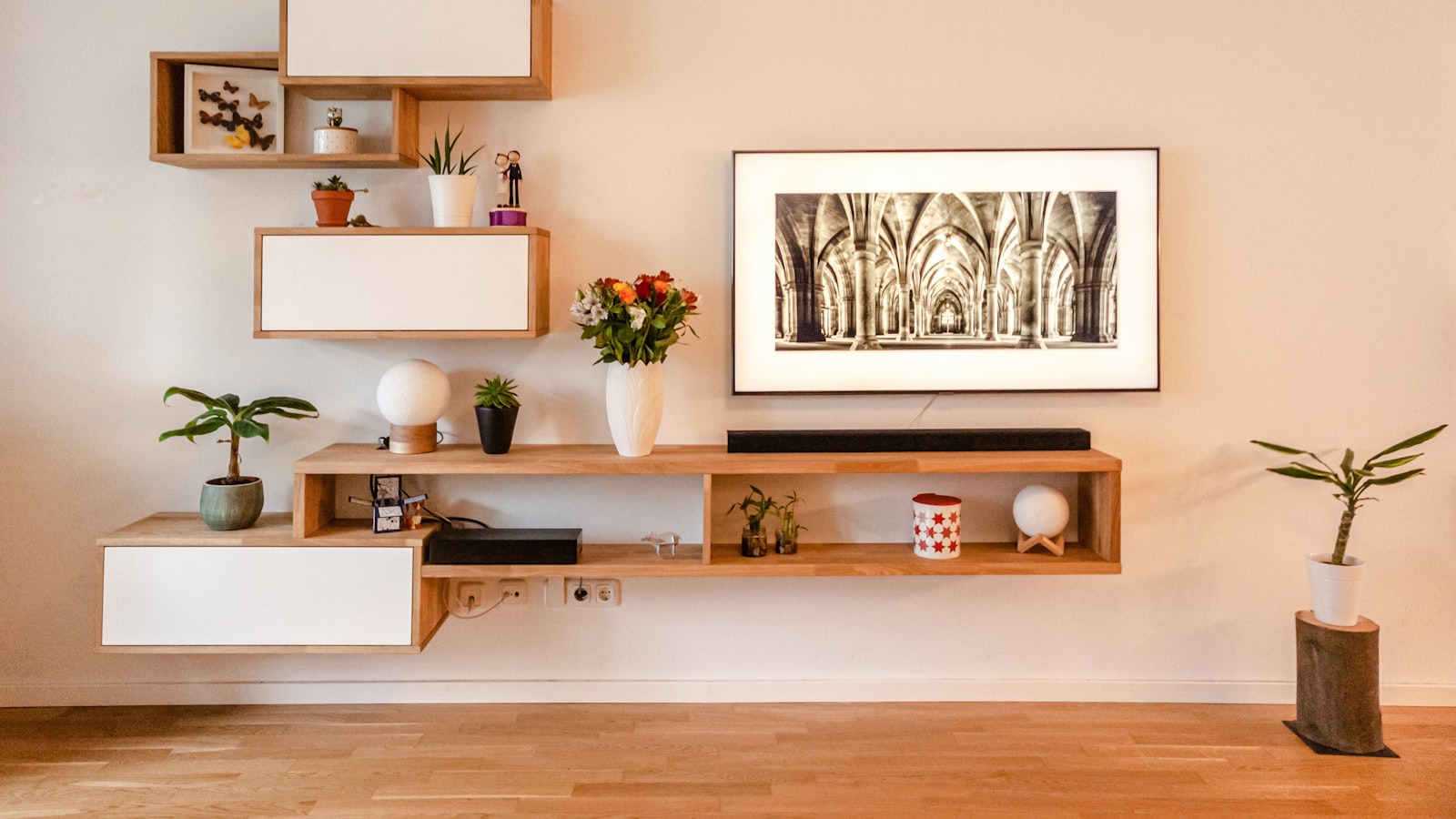
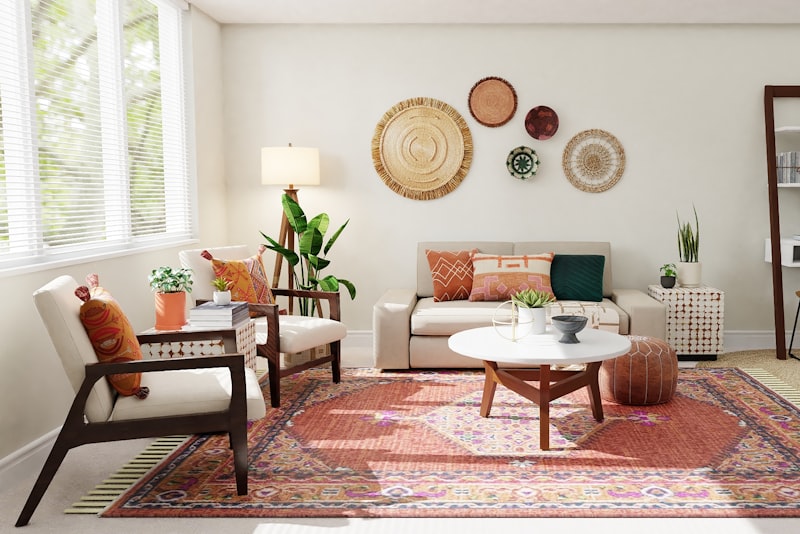
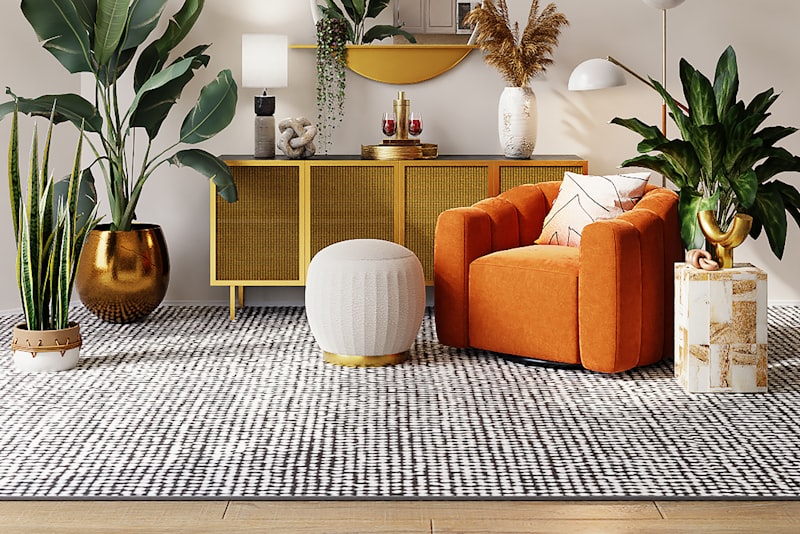
Clutter rarely means you own too much; more often it means your things don't have a home. The right storage furniture fixes that quietly, giving everything a place to live so surfaces stay clear and the room can breathe. Done well, storage doesn't just tidy a space, it calms it, turning a piece that hides the mess into something you're genuinely glad to look at.
Start with what you're actually storing#
The most common storage mistake is buying a handsome cabinet first and figuring out what goes in it later. That's backwards, and it leads to pretty pieces that don't solve the real problem. Before you shop, take an honest inventory of what's creating the clutter, because the clutter is telling you exactly what kind of storage you need.
Walk the room and notice what's piling up. Is it books and papers, or shoes by the door, or board games, or tangles of cables and chargers, or linens, or the daily landing of keys, mail, and bags? Each of these wants something different. Deep stacks of books need sturdy shelving; shoes want low, ventilated cubbies; awkward bulky items want a closed cabinet that hides them; small daily clutter wants drawers or a tray. Matching the storage to the actual mess is the whole game, and it saves you from a beautiful piece that turns out to be useless.
It also helps to think about how often you reach for things. Items you use daily should live somewhere easy to grab, ideally at hand height and not buried. Things you touch a few times a year, like spare bedding or seasonal decor, can go up high or down low where access is less convenient. Sorting your belongings by frequency before you choose a piece means you end up with storage that fits your routine instead of fighting it.
Balance the hidden and the shown#
Storage furniture lives on a spectrum from fully open shelving to fully closed cabinets, and the secret to a room that feels both tidy and warm is mixing the two on purpose. Lean too far toward open shelving and every bit of visual clutter is on display; lean too far toward closed doors and the room can feel heavy and a little austere. The sweet spot is usually a blend.
Closed storage is your friend for anything you'd rather not see. Cabinet doors and drawers hide the practical, the mismatched, and the constantly-in-flux, which instantly quiets a room because the eye isn't snagging on a dozen small objects. This is why a sideboard with doors, a chest of drawers, or a media unit with cabinets does so much for a space; it gives the messy reality of daily life somewhere to disappear. If your household generates a lot of stuff, weight your choices toward closed storage and you'll thank yourself.
Open shelving earns its place too, as long as you treat it as display rather than dumping ground. A few open shelves let you show the things you actually want to see, a stack of favorite books, a plant, a piece of pottery, a framed photo, which adds personality and keeps a room of closed doors from feeling like a wall of boxes. The trick is restraint: style open shelves with a little breathing space rather than cramming them, and they read as intentional instead of cluttered.
Closed storage hides the chaos; open storage shows the soul. A room with both feels tidy and lived-in at once, which is exactly what makes it welcoming.
Make storage work twice in small spaces#
In a small home, the best storage furniture isn't an extra piece you have to find room for; it's a piece you already need, quietly doing storage on the side. Hardworking double-duty furniture is how small spaces stay uncluttered without feeling packed, and it's worth seeking out wherever you can.
There are more of these clever pieces than people realize, and a few are worth keeping in mind as you shop:
- An ottoman or bench with a hollow interior that swallows blankets, toys, or shoes.
- A bed frame with built-in drawers or enough clearance for under-bed bins.
- A coffee table or side table with a shelf, drawer, or lift-up top.
- A sideboard or console that serves a room while hiding clutter behind doors.
The beauty of double-duty storage is that it earns its footprint twice, which is precisely what a small room needs. Instead of cramming in a dedicated cabinet, you let the bed, the seat, or the table you'd own anyway carry the load. When floor space is precious, also remember to look up: tall, narrow storage uses the vertical space most rooms waste, giving you real capacity without spreading across the floor. Just be sure anything tall is stable, and if you're tempted to secure a heavy piece to the wall for safety, that's wise, but if you rent, check your lease and ask your landlord before drilling, and keep basic care in mind with tools and a steady ladder.
Get the scale and feel right#
A storage piece can hold everything you need and still spoil a room if its size or style is off, so the last step is making sure it fits the space gracefully. Storage furniture tends to be substantial, which means scale matters more here than with almost any other piece. The goal is storage that settles into the room, not storage that dominates it.
Measure before you fall in love, checking the length against the wall, the depth against the walkway, and the height against your windows and sightlines. A bulky cabinet that's too deep can choke a path; a tall unit that cuts across a window steals light. In a small room, choose pieces that sit lighter, with legs that let the floor show beneath, lighter finishes, or a slimmer profile, since these hold plenty while keeping the room feeling open. In a larger room, a more solid, grounded piece can anchor the space beautifully.
Finally, let the storage suit the rest of the room rather than treating it as purely practical. The finish, the color, the hardware, and the proportions all affect how a piece feels, and a storage cabinet you genuinely like looking at is one you'll keep using well. The best storage furniture does the unglamorous work of taming clutter while quietly improving the room it sits in, so choose with both jobs in mind. Start from what you need to store, blend the hidden with the shown, make pieces work twice where space is tight, and mind the scale, and you'll end up with a calmer, warmer home where everything has somewhere to belong.