A bedroom has one quiet, important job: helping you let go of the day. Yet so many bedrooms end up as the last stop for clutter, harsh light, and whatever furniture didn't fit elsewhere. Reclaiming it as a calm retreat doesn't take a renovation — it takes a few thoughtful choices about color, light, texture, and what you allow to stay in the room.
Choose colors that let you exhale#
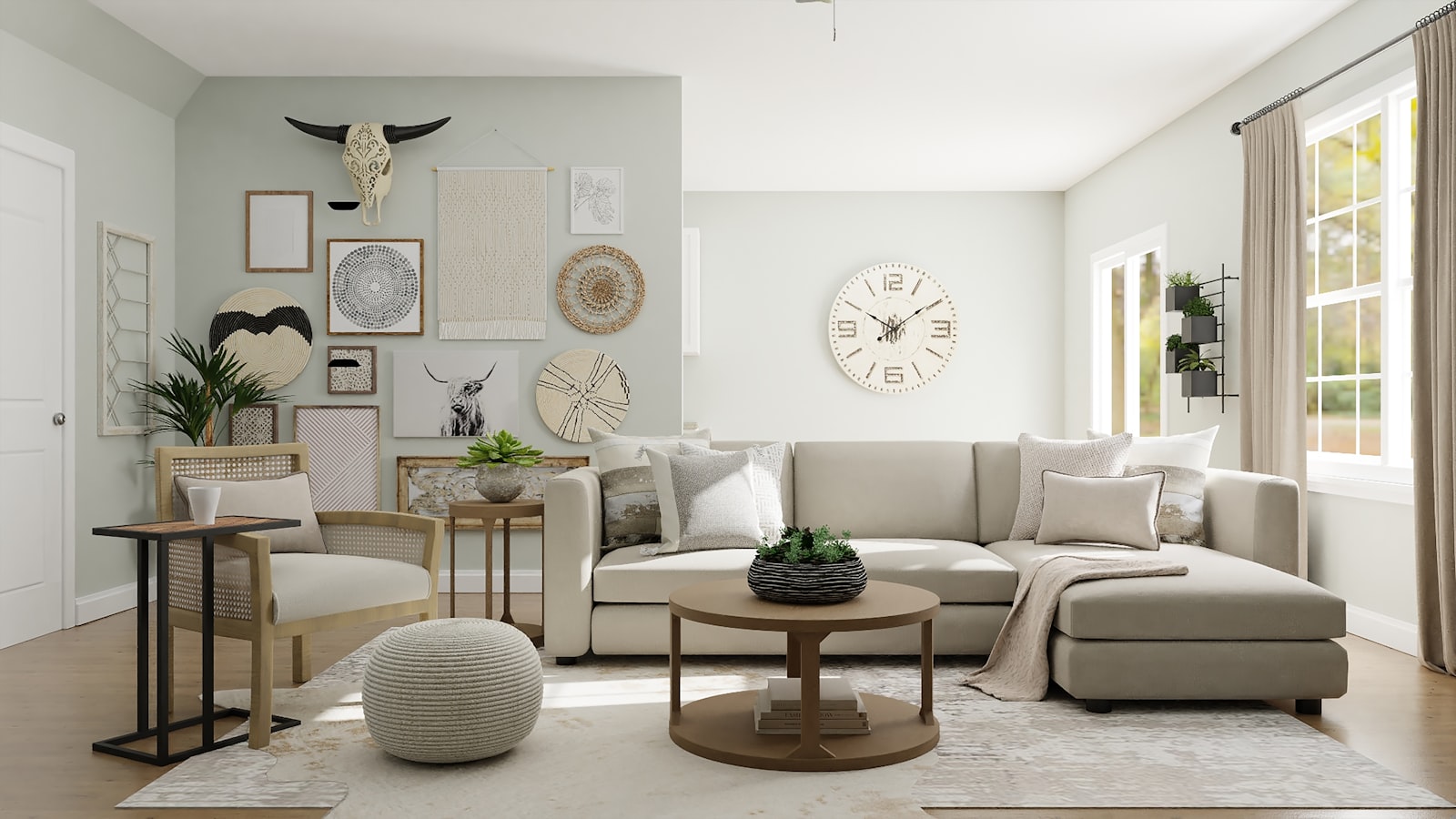
Calm usually lives in soft, muted, low-contrast palettes. Think gentle off-whites, warm greiges, dusty blues, sage greens, and clay tones — colors that recede rather than demand attention. When the walls and large surfaces stay quiet, your eyes have somewhere to rest, and a room that's easy on the eyes is easier to fall asleep in.
This doesn't mean your bedroom has to be beige or boring. You can absolutely use a deep, enveloping color — a moody navy or a soft charcoal can feel like a cocoon. The key is consistency and restraint: a few related tones working together rather than a dozen competing brights. If a color makes you feel busy or alert, it's probably better suited to a room where you want energy.
Trust your own reaction over any trend. Stand in the room, imagine waking up to that color every morning, and notice whether your shoulders drop or tighten. Your body knows what soothes it.
Layer your light, and lose the glare#
Lighting may be the single biggest lever for a calming bedroom, and most rooms get it wrong with one bright fixture in the ceiling. A single overhead light flattens everything and reads more like an operating room than a retreat. Instead, layer your light at different heights so you can dial the mood up or down depending on the moment.
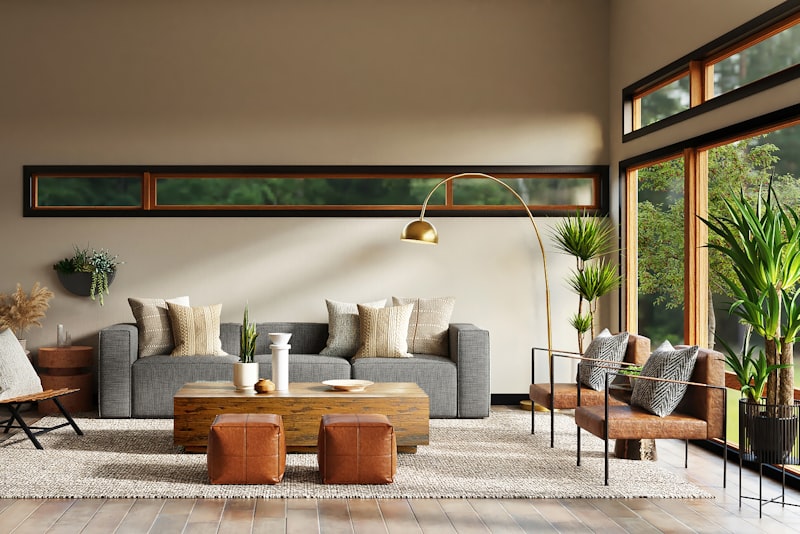
Bedside lamps give you a warm, low pool of light for reading and winding down. A floor lamp in a corner softens the edges of the room. Where you can, choose warm-toned bulbs rather than cool, blue-white ones — warm light tells your brain the day is ending. Dimmers are worth their weight in gold here; the ability to lower the light as bedtime approaches is one of the simplest comforts you can build in.
The light you wind down by matters more than the light you decorate by. A room that can soften at night will always feel calmer than one that only knows how to be bright.
If adding a dimmer, wiring a wall sconce, or moving a ceiling fixture is part of your plan, that's a job for a licensed electrician — not a weekend experiment. Plenty of calming light can be created with plug-in lamps alone, so start there and you'll feel the difference immediately.
Build comfort you can feel#
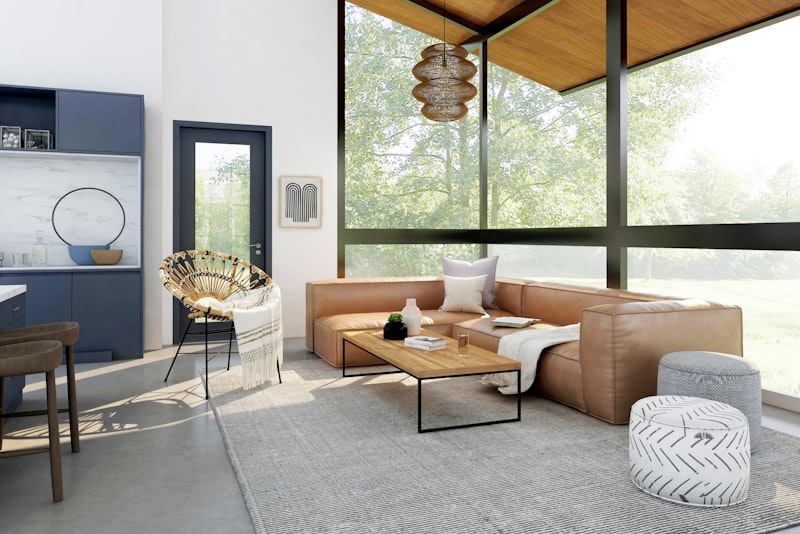
Calm isn't only visual — it's tactile. The textures you sleep in and surround yourself with shape how the room feels under your hands and against your skin. Natural, breathable materials tend to feel restful: soft cotton or linen bedding, a wool or jute rug underfoot, a woven throw at the end of the bed. Layering a few textures adds depth and warmth without adding visual noise.
Your bed is the heart of it all, so invest your attention there. Bedding you genuinely love — the right weight, the right softness — does more for your sense of rest than almost anything else in the room. A few generous pillows and a throw turn a bed from a place you crash into a place you look forward to. You don't need a mountain of cushions; a small, considered stack beats a pile you have to clear off every night.
A soft rug beside the bed is a small luxury with an outsized payoff. The feeling of something warm and soft under bare feet, morning and night, quietly tells your body this is a gentle place.
Clear the surfaces, clear the mind#
It's hard to relax in a room that's whispering reminders of unfinished tasks. A stack of unread mail, a tangle of charging cables, a chair buried under clothes — each one is a tiny tug on your attention. You don't need a minimalist showroom, but clear surfaces genuinely help the mind power down.
Give the things that earn their place a home, and let the room breathe around them. A few moves that reliably restore calm:
- Keep the nightstand to the essentials — a lamp, a book, a glass of water, and little else.
- Tuck away or conceal cords and chargers so the eye isn't snagged by tangles.
- Give clothes a real destination — a hook, a hamper, a chair that stays empty — so they don't pile.
Whatever does stay out should be there on purpose. A single plant, a framed photo, a small bowl for jewelry — chosen things feel intentional, while accumulated things feel like a to-do list. The aim isn't emptiness; it's a sense that everything in the room belongs.
Make it a place you protect#
A calming bedroom is less a look than a feeling you build and then defend. Once you've softened the color, layered the light, leaned into comfortable textures, and cleared the surfaces, the real work is keeping it that way — resisting the urge to let it become the household's overflow zone again.
Treat the room as the retreat it's meant to be, and it will return the favor every night. Start with whichever change feels easiest — maybe just swapping a harsh bulb for a warm one and clearing the nightstand tonight. Small shifts compound, and before long you'll have a bedroom that does its quiet job beautifully: helping you put the day down and rest.