You don't need a wood-paneled study with a rolling ladder to have a home library. A library is really just a place where books are gathered, displayed, and easy to reach — and that can live in a spare room, a hallway, or a single wall of the living room. What turns a pile of shelves into a library is intention: a place to keep your books and, just as importantly, a place to sit and read them.
Decide what kind of library fits your life#
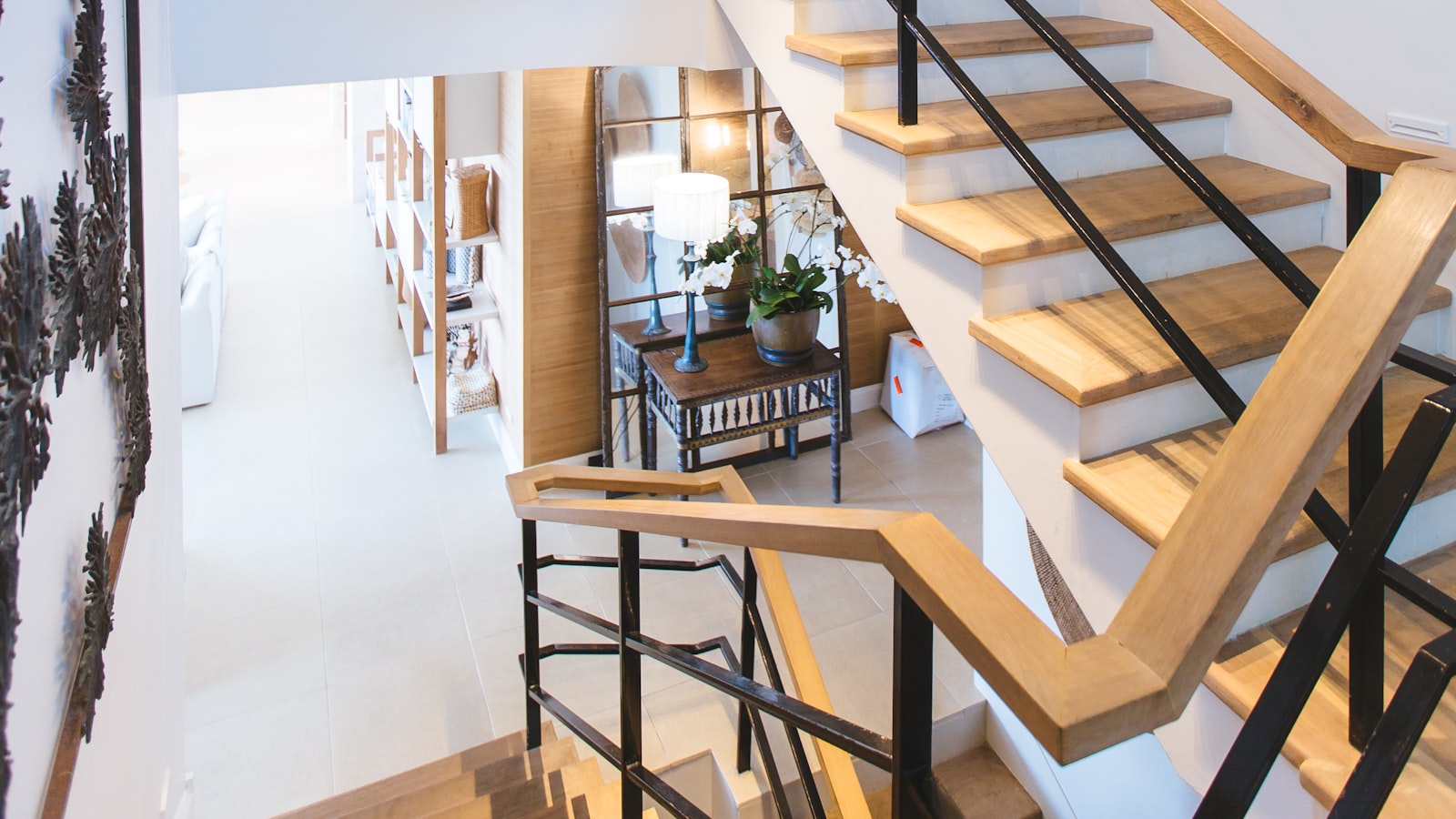
Start by being realistic about your space and your collection. A dedicated room is a luxury, but it's far from the only option. Some of the most charming home libraries are built into spaces that were doing nothing before — the wall flanking a fireplace, the area beneath a staircase, a wide hallway, the awkward nook on a landing. Look around your home for vertical surfaces that aren't earning their keep, and you'll usually find room for books.
Think too about how you live with books. Are you a collector who keeps everything, or do you cycle through and pass titles along? Do you want your library on display as a feature of the room, or tucked into a quiet corner just for you? A reader who wants a calm retreat will design very differently from someone who wants a dramatic floor-to-ceiling wall of spines as the centerpiece of the living room. Neither is more correct — they just call for different layouts.
Be honest about scale, too. Measure your collection roughly by how many shelf-feet of books you own, then plan for at least a little more than that. Books multiply, and a library that's already full on day one quickly turns into stacks on the floor. Building in a bit of room to grow saves you from rearranging everything a year from now.
Plan shelving that actually holds your books#
Shelving is the bones of any library, so it's worth getting right. Built-ins look seamless and make the most of an exact space, but freestanding bookcases are flexible, movable, and far easier to start with. Either way, the principles are the same: go tall, go sturdy, and plan for variety.
Reaching for the ceiling is the single best way to maximize a library. Tall shelving draws the eye up, makes a room feel grander, and dramatically increases how many books you can store in the same floor area. Just keep a stool or small ladder handy for the top shelves, and anchor any tall, freestanding unit securely to the wall — a loaded bookcase is heavy and genuinely dangerous if it tips, especially around children.
A library isn't measured by how many books you own, but by how easy it is to reach for one and disappear into it.
Adjustable shelves are worth seeking out, because books come in wildly different heights. Fixed shelves spaced for paperbacks leave your art books and atlases homeless, while a mix of shelf heights lets everything find its place. Plan a few taller bays for oversized volumes and you'll never have to lay big books awkwardly on their sides again. If you're mounting heavy shelving into walls or building anything structural, and especially if it involves the wall itself, have a professional confirm it's safely fixed.
How you arrange the books is up to you and your temperament. Some readers love the order of organizing by subject or alphabetically so they can always find a title; others arrange by color for the visual calm of it, or simply by feel. There's no wrong answer — the best system is the one you'll actually maintain.
Build in a place to read#
Here's the difference between a wall of books and a true library: somewhere to sit and read. Shelves alone are storage. Add a comfortable chair, and you've created a destination — a corner of the house that invites you to slow down and stay a while.
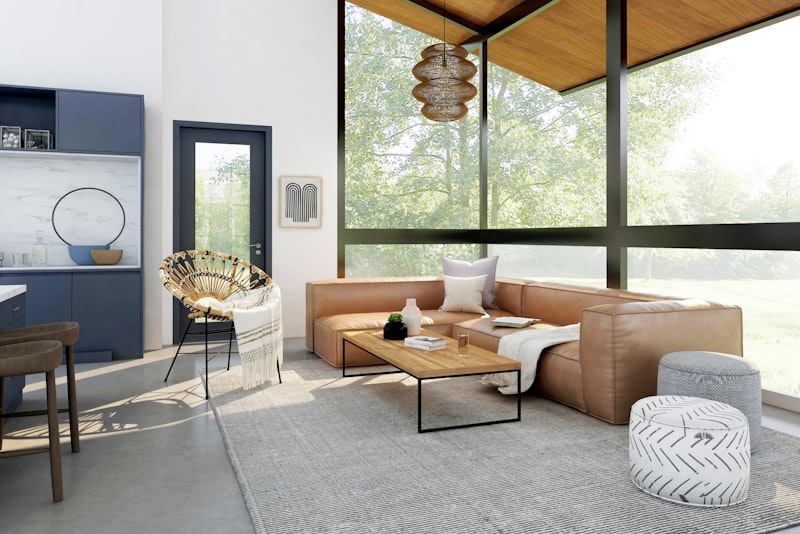
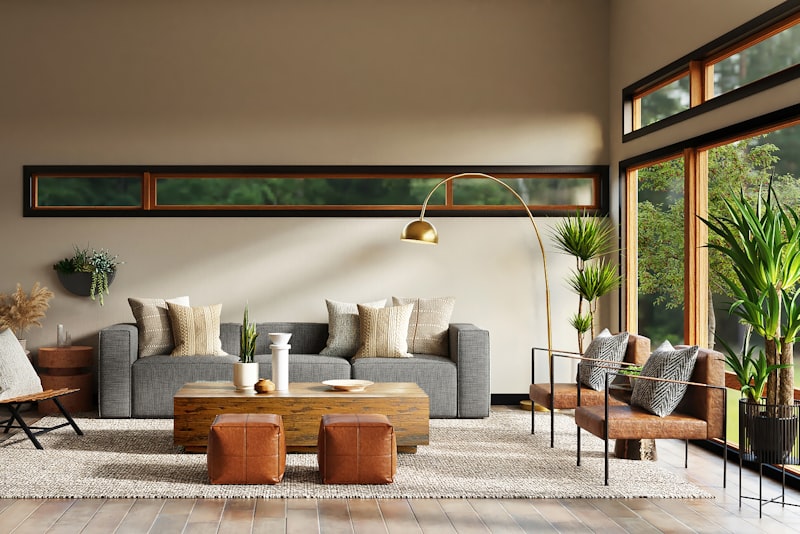
You don't need much. A single well-chosen armchair, a small table to set down a cup and a book, and a good reading light are enough to anchor a reading nook in even a modest space. The chair is the heart of it, so prioritize genuine comfort over looks — one you can sink into for an hour without shifting around. A window seat, a chaise, or a generously cushioned bench all work beautifully if the space suits them.
Light is what makes the nook usable after dark, and it's where a lot of reading corners fall short. Ambient room lighting is rarely enough to read by comfortably, so add a dedicated source right by the chair: a floor lamp arching over your shoulder, a table lamp at the perfect height, or a wall light angled onto the page. Warm, focused light makes the corner feel cozy and protects your eyes through a long chapter. Position the chair near a window if you can, so daytime reading gets natural light and a view to glance up at.
Style it so it feels like a library, not a warehouse#
A wall of nothing but spines can feel sterile, like a warehouse. The libraries that feel warm and inviting break up the books with a few other things, and let a little air into the arrangement. The goal is a collected, lived-in look rather than a rigid, packed grid.
Mix in objects among the books to give the eye places to pause and to make the shelves feel personal. A handful of well-chosen touches goes a long way:
- A few framed photos, small artworks, or objects you love, tucked between book stacks
- A trailing plant or two to soften the hard lines of the shelves
- A couple of books displayed face-out, like a bookshop, to add color and rhythm
Leave some breathing room rather than cramming every inch. A shelf with a little empty space reads as curated and calm, while one packed solid can feel tense and overwhelming. Stacking some books horizontally and standing others vertically creates a relaxed, natural rhythm that's easy on the eye. And don't be afraid to let the library show its personality — a bold paint color on the back of the shelves, a small rug underfoot, a single piece of art leaning against the books all signal that this is a room made for pleasure, not just storage.
A home library is one of the most rewarding spaces you can create, because it does double duty: it organizes something you love and it gives you a reason to sit still. Find the space, build shelving that grows with you, add a chair worth sinking into and a light worth reading by, and style it until it feels like yours. Whether it fills a whole room or a single wall, you'll have made a corner of your home that quietly invites you to slow down, reach for a book, and stay.