Rearranging furniture is one of the cheapest ways to fall back in love with a room, and you already own everything you need. The trick isn't a secret formula or an expensive consultant — it's a handful of friendly principles that work in a studio apartment or a sprawling family room alike. Once you know how to read a space, you can arrange any room with confidence.
Begin with purpose and a focal point#
Before you slide a single chair, ask what the room is actually for. A living room built for long conversations wants seating that faces inward. A room that doubles as a home office and a guest space needs zones that don't fight each other. Naming the purpose first keeps you from arranging by habit and ending up with a space that looks fine but works poorly.
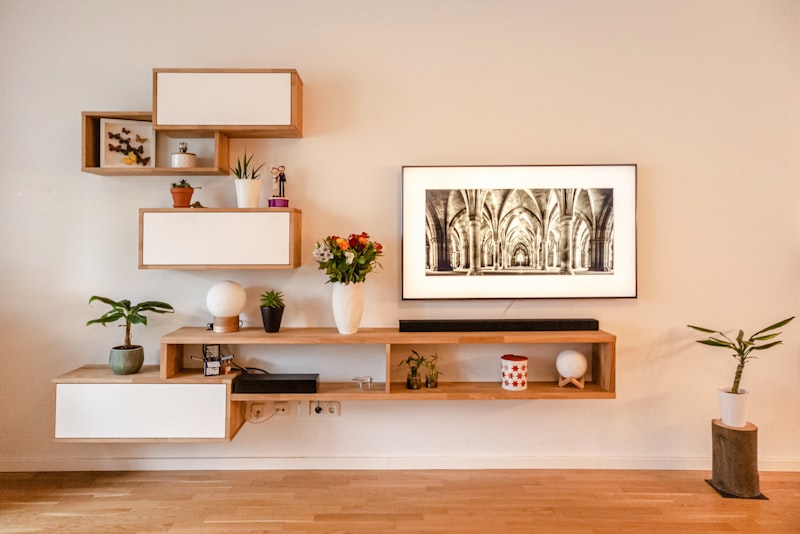
Next, find the focal point — the thing your eye lands on when you walk in. It might be a fireplace, a wide window, a television, or a piece of art you love. Every settled room has one, and once you pick it, the rest of the furniture has a clear job: to make that focal point easy and pleasant to enjoy. When seating points toward a defined anchor, the room instantly reads as intentional rather than scattered.
If two features compete for attention, give one the leading role and let the other play support. Rooms with two equal anchors feel restless because your eye never knows where to settle.
Make flow and conversation effortless#
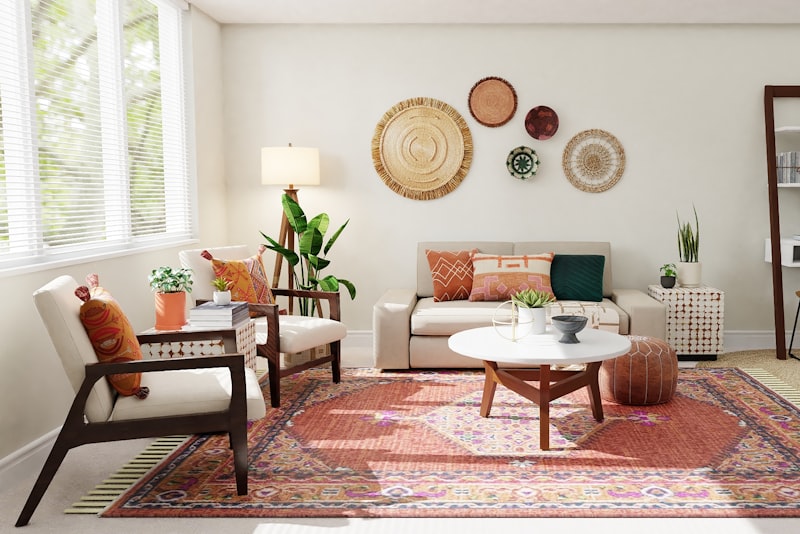
The most common mistake in any room is shoving every piece flat against the walls. It seems to open up the floor, but it usually does the opposite — leaving a lonely island of empty carpet in the middle while people sit too far apart to talk comfortably. Pull your seating inward. Floating furniture a little off the wall makes a room feel more generous, not less, and gives the arrangement a sense of being composed on purpose.
Walking paths matter just as much as seating. You should be able to move from the door to the window, or from the sofa to the kitchen, without turning sideways or stepping over an ottoman. If a piece is constantly in your way, trust the friction your body notices and move it — the room is telling you something. Leave clear lanes wide enough to pass through naturally.
A beautiful room that blocks the path to the door will always lose to a plainer room you can move through with ease. Comfort and flow win every single time.
Keep seats close enough for easy conversation but not so close that knees collide, and set a surface within reach of every chair so drinks and books have a home. These small courtesies are what separate a room that merely looks arranged from one that genuinely feels good to be in.
Balance the weight and vary the heights#
Balance doesn't mean symmetry, and you don't need matching pairs of anything. You're simply distributing visual weight so no corner feels heavy while another floats empty. A tall bookshelf on one side can be balanced by a leafy plant or a floor lamp on the other. A chunky sofa reads lighter when it sits across from an airy, open-armed chair. Walk into the room and notice where your eye gets pulled — if it always drifts to one corner, redistribute until the space feels even.
Height is the other quiet hero. A room where everything sits at the same level feels flat, like a city skyline of identical buildings. Mixing low, medium, and tall elements gives the eye somewhere to travel and makes even a modest room feel considered.
A few reliable moves that help almost any arrangement settle:
- Mix a low table, mid-height seating, and something tall like a lamp, plant, or shelf.
- Leave breathing room around large pieces so they don't crowd the walls or each other.
- Repeat a shape or tone across the room so the eye travels in a gentle loop.
None of this requires a single style or a coordinated set. A vintage chair can sit happily beside a modern sofa as long as the proportions feel right to you and the weight is shared around the room.
Plan on the floor before you lift#
Furniture is heavy, and your back will thank you for thinking before lifting. Before committing, sketch the room on paper or map it out with painter's tape directly on the floor — outline where the sofa, chairs, and table will go. Then live with the outline for a day. Walk the paths, sit where you'd sit, reach for where a drink would land. You'll feel a cramped corner long before you'd ever spot it on a drawing.
Measure as you go. Measure your doorways, the room itself, and the pieces you already own or hope to buy. A sofa that looks perfect in a showroom can swallow a small room or block a window once it's home. Pay attention to what you might cover — a console that hides a radiator or buries the only outlet creates a small daily annoyance you'll feel for years.
If you rent, this is the easy, lease-friendly way to transform a space, since moving furniture changes nothing permanent. But if your plan tempts you toward mounting something heavy to the wall, drilling, or relocating a light fixture, check your lease and ask your landlord first, and bring in a licensed professional for anything electrical or structural. Use a sturdy step stool rather than a wobbly chair when you need height, and never improvise with the bones of the home.
Let the room earn its keep#
The best arrangement is the one you stop noticing — you simply enjoy the space and forget the furniture was ever a question. Give your new layout a few weeks of real life before you call it finished. You'll learn which chair everyone fights over, where you actually drop your keys, and whether that reading corner gets used or just collects dust. Then nudge things accordingly; a room is allowed to keep evolving.
Your home doesn't need to look like anyone else's to be right. Name the purpose, set a focal point, pull the seating in, balance the weight, and test before you haul. Do that in any room, of any size, and you'll end up with a space that works as hard as it looks good — one you're genuinely glad to come home to.