You know the feeling, even if you have never named it. Wrapped in a soft blanket on a cold evening, a warm drink in hand, the lamps glowing low, nowhere you need to be. That cozy, content stillness is the heart of hygge, and the loveliest thing about it is that it is less about buying anything and more about creating a feeling you can return to again and again.
What Hygge Actually Is#
Hygge is a Danish idea that does not translate neatly into a single English word, which is part of its charm. It describes a quality of warmth, comfort, and contentment, a sense of being cozy and present and at ease. It is the feeling of a snug evening at home, of simple pleasures enjoyed slowly, of safety and softness against a hard or cold world outside. The Danes, who endure long dark winters, have practically made an art of it.
The most important thing to understand is that hygge is a feeling first and a look second. It is not a style you buy in one trip, and it is not about owning the right things. You can spend a great deal on cozy-looking decor and still have a home that feels hectic and cold, and you can create deep hygge with almost nothing but a blanket, a candle, and a little intention. This is wonderfully democratic news. The mood is available to absolutely everyone, regardless of budget.
Because hygge lives in atmosphere rather than objects, the way you build it is by appealing to the senses and to your sense of ease. Soft light, gentle textures, comforting warmth, and a calm, uncluttered space all work together to tell your body it is safe to relax. When you decorate for hygge, you are really decorating for that feeling of letting your shoulders drop. Keep that goal in mind and every choice gets simpler.
Start With the Light#
If there is one element that creates hygge faster than any other, it is light, and specifically warm, soft, low light. Bright overhead fixtures blazing down on a room are the enemy of coziness. They flatten everything and keep the space feeling like an office rather than a refuge. The single most transformative change you can make is to swap that one harsh ceiling light for several smaller, gentler sources spread around the room.
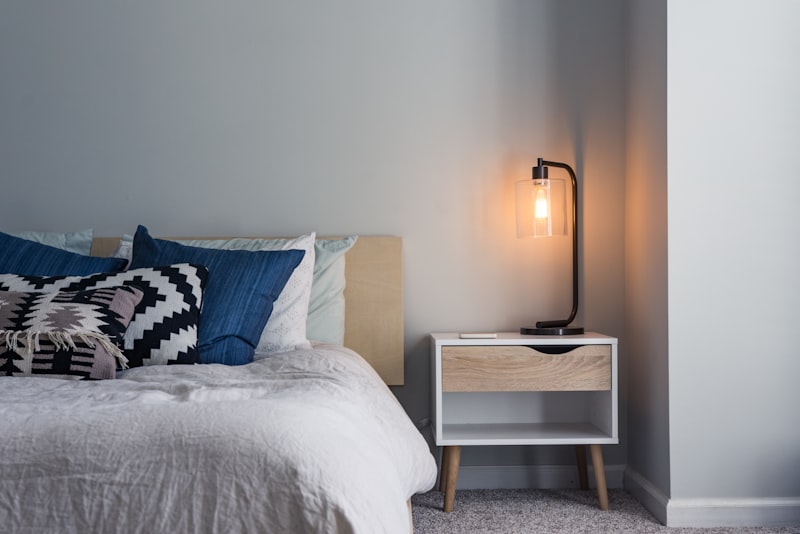
Think of building light in layers. A table lamp in a corner, a floor lamp beside a chair, a string of small soft lights, and the warm flicker of candles together create pools of gentle glow rather than one flat wash. This layered, low lighting instantly makes a room feel intimate and calm, casting soft shadows and inviting you to settle in. Warm-toned bulbs help enormously here, since cool, blue-white light works against the cozy mood you are after.
Hygge is not something you can buy in a single trip, it is a warmth you build, one soft and gentle layer at a time.
Candlelight deserves a special mention, because few things say hygge like a flickering flame. The Danes are famously fond of candles, and it is easy to see why. That soft, living light brings a warmth and a sense of occasion to even an ordinary evening. Always burn them safely, never leaving them unattended or near anything that could catch. And if you ever want to change hardwired lighting or add new fixtures, bring in a licensed electrician rather than improvising. The goal throughout is simple: trade bright and even for warm and gentle, and the room will feel cozy almost on its own.
Wrap the Room in Soft Texture#
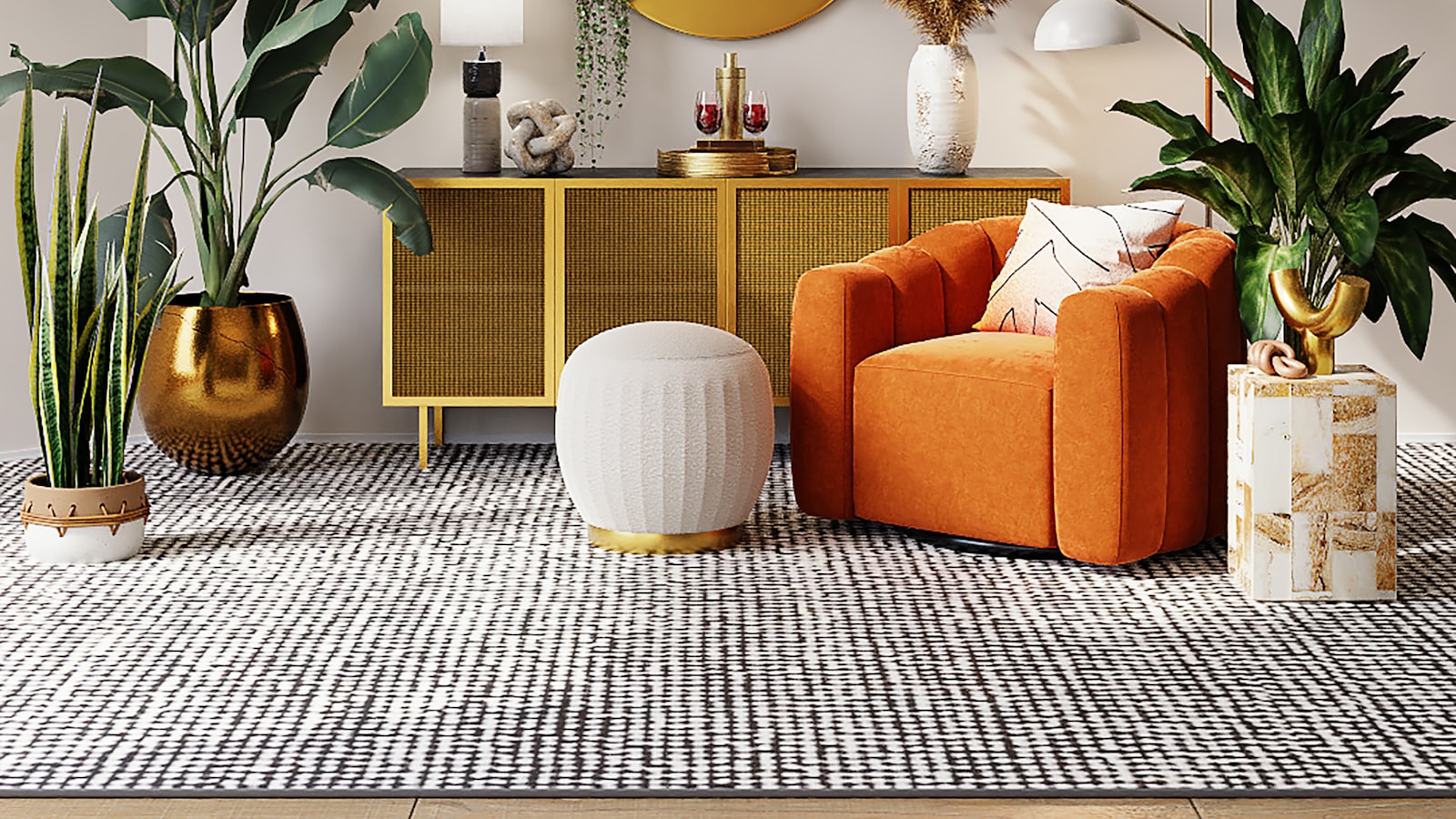
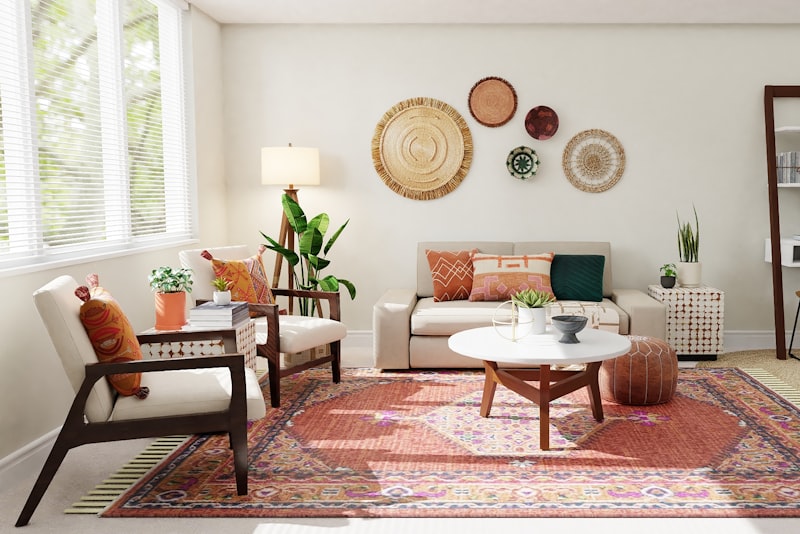
Once the light is right, the next layer of hygge is texture, the part you can actually feel. A cozy room invites touch, and the more soft, tactile surfaces it offers, the more it pulls you in to relax. This is where blankets, throws, and cushions earn their keep. A chunky knit blanket draped over the sofa, a pile of soft pillows, a sheepskin or a thick rug underfoot, all of these practically beg you to curl up and stay a while.
Natural, comforting materials do this best. Wool, cotton, linen, and other soft natural fibers feel good against the skin and carry an inherent warmth and honesty. Layering different textures multiplies the effect, so a smooth surface beside something nubby, a knit beside a weave, gives the room a rich, enveloping quality. You are essentially building a nest, and nests are made of many soft things piled with care. There is no need to match them perfectly. The gentle, collected look is part of the comfort.
Do not forget the floor and the windows, since cold, bare surfaces undercut the cozy feeling. A soft rug warms a room both literally and visually, and it feels lovely under bare feet on a chilly morning. Curtains that you can draw at night make a space feel sheltered and snug, sealing in the warmth and the glow. Every soft layer you add is another small signal to your body that this is a place to rest, and that accumulation of small comforts is exactly what hygge is made of.
The Comfort of Small Rituals#
Here is where hygge moves beyond decor and becomes a way of living, which is really its deepest secret. The coziest home in the world only fully comes alive when you actually use it to slow down and savor simple pleasures. The setting and the habit work together, and the habit is what turns a nice room into a genuinely comforting one.
A few gentle additions help invite those moments.
- Keep a warm drink ritual close, with a favorite mug and kettle within reach.
- Create one inviting spot, like a chair by a window, dressed for settling in.
- Have books, soft music, or simple comforts nearby for unhurried evenings.
- Tidy lightly so the room feels calm, since clutter quietly works against rest.
That last point matters more than it might seem. Hygge is not the same as mess, and a chaotic room tends to keep the mind buzzing rather than letting it rest. A space does not need to be sparse or showroom-perfect, but a basic sense of calm and order lets all that warm light and soft texture do its job. Clearing a few surfaces before a cozy evening is itself a small, soothing ritual, a way of telling yourself the day's busyness is done.
What makes hygge so lasting, in the end, is that it asks for so little and gives so much. It does not demand a renovation, a big budget, or any particular taste. It simply invites you to warm your light, soften your surfaces, calm your space, and then genuinely enjoy it. Light a candle, pull up the softest blanket you own, and let your home become the place you most want to be. That is how you design the home you love, one cozy and contented evening at a time.