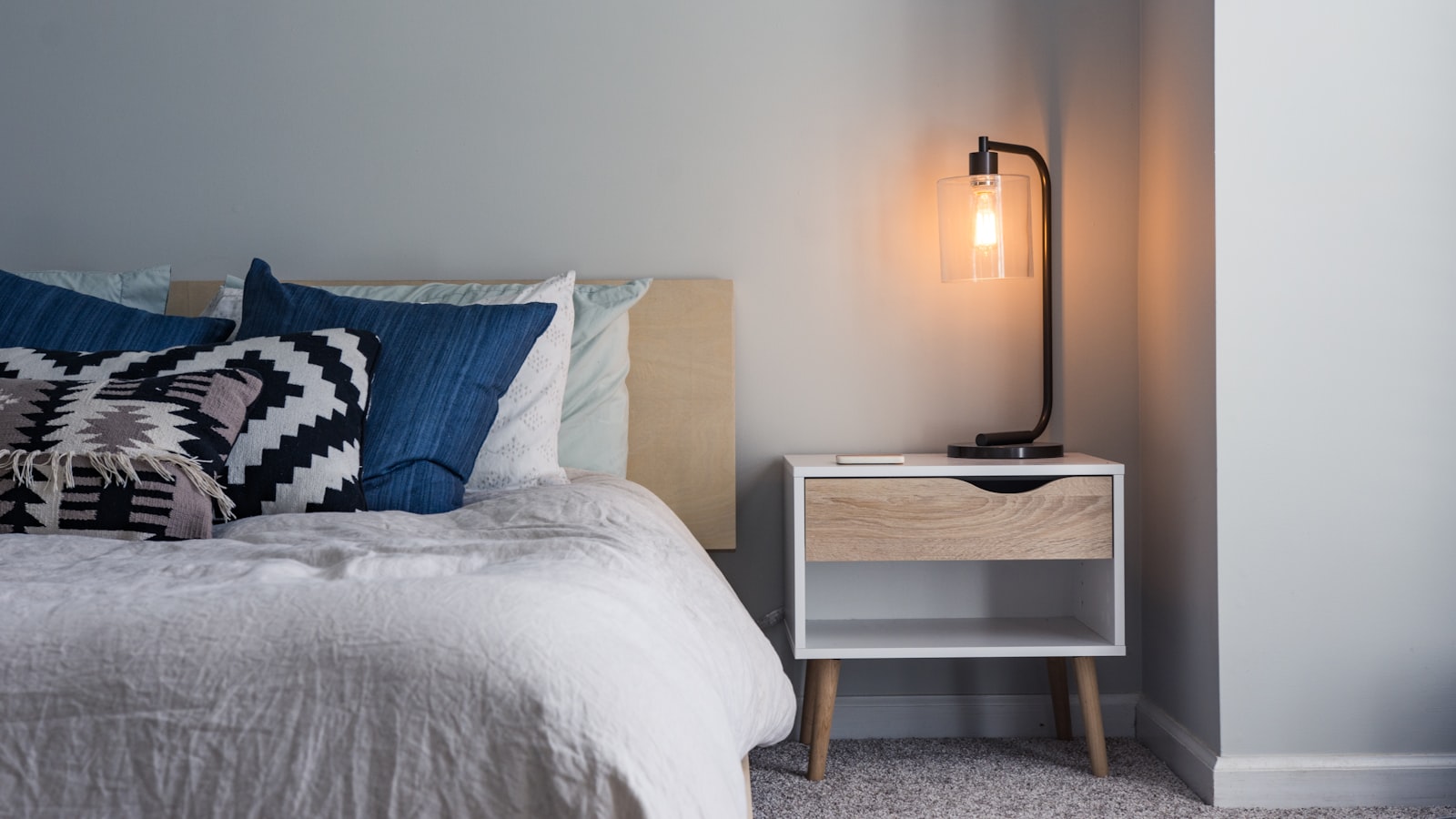
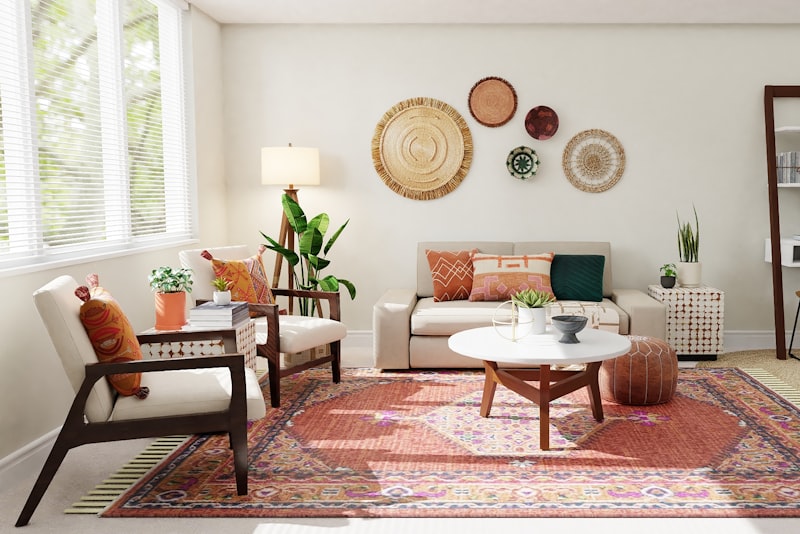
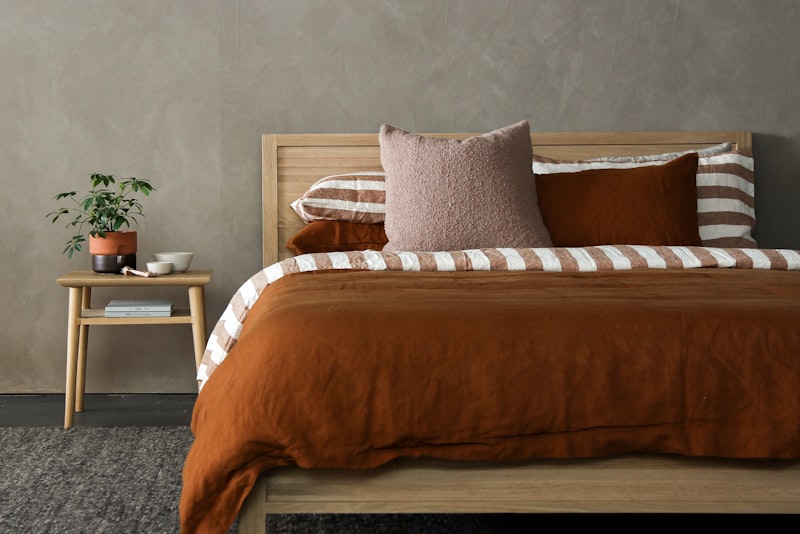
Japandi is what happens when two of the world's calmest design traditions decide to become friends. It takes the serene, grounded spirit of Japanese interiors and weaves it together with the cozy warmth of Scandinavian style. The result is a home that feels quiet, natural, and deeply restful without ever tipping into cold.
Two Traditions, One Feeling#
The name itself tells the story: Japan plus Scandi. On the surface these two influences might seem far apart, but they share a surprising amount of common ground, and that overlap is exactly where Japandi lives. Both traditions love natural materials, value craftsmanship, dislike clutter, and prize a sense of calm over showiness. Japandi simply leans into everything they already agree on.
From the Japanese side comes a sense of serenity, restraint, and reverence for natural beauty. Rooms feel grounded and intentional, with low furniture, a respect for empty space, and an appreciation for objects that show the honest character of their materials. There is a stillness to it, a feeling that nothing is rushed.
From the Scandinavian side comes warmth and comfort. Where a purely minimalist room might feel austere, the Scandi influence softens everything with cozy textiles, light woods, and an easy livability. It is the warm hug that keeps all that serene restraint from ever feeling severe. Together, the two halves balance each other almost perfectly: calm but never cold, simple but never harsh.
The Materials and Colors That Define It#
Japandi is built from the natural world, and its palette stays close to the earth. You will see plenty of wood, often in both warm and slightly deeper tones, alongside natural fibers like linen, cotton, and wool, plus stone, bamboo, paper, and handmade ceramics. These honest, tactile materials are the heart of the look, and they reward being touched as much as seen.
The colors stay muted and grounded. Think soft neutrals, warm beiges and oatmeals, gentle greys, muted greens, and deeper, earthy accents that add quiet depth. Rather than the bright white of some Scandinavian rooms, Japandi often reaches for slightly warmer, more organic neutrals that feel settled and calm. Nothing shouts. The whole palette seems to lower its voice.
Japandi is less about decorating a room and more about quieting it until only what you love remains.
What ties it together is contrast in texture rather than color. A smooth ceramic bowl beside a rough linen runner, a sleek wooden surface softened by a nubby wool throw. Because the colors are so restrained, these textural conversations carry the richness and keep the space from ever feeling flat.
The Beauty of Imperfection#
One of the most freeing ideas in Japandi comes straight from Japanese aesthetics: the embrace of imperfection. Rather than chasing flawless, factory-perfect surfaces, this style finds beauty in the handmade, the natural, and the gently worn. A ceramic vase with a slightly uneven glaze, a wooden table that shows its grain, a linen cushion that wrinkles softly, these are not flaws to be hidden. They are exactly the point.
This is wonderfully good news for real life. You do not need everything to be pristine and matching. A handmade bowl that is a little lopsided, a basket woven by human hands, a piece of pottery with a visible thumbprint, all of these carry warmth and soul that something perfectly machined never quite manages. Japandi gives you permission to value character over polish, which takes an enormous amount of pressure off the whole process of making a home.
There is something quietly comforting in this idea, too. A home full of perfect surfaces can feel like a place you have to maintain rather than live in, where every scuff and smudge feels like a small failure. Japandi reframes those marks of use as part of the beauty. A wooden floor that softens with age, a leather seat that creases where you sit, a linen cushion that relaxes over time, these tell the story of a home being genuinely loved and lived in. That gentle acceptance is, in many ways, the most restful thing the style has to offer.
It also changes how you shop. Instead of hunting for the slickest, newest version of everything, you start looking for pieces with genuine character and honest materials. Often that means fewer, better things chosen slowly, which is both kinder to your budget and far more satisfying than filling a room quickly with items you will not remember.
Bringing Japandi Into Your Home#
You can move toward this feeling gradually, and the style rewards patience more than spending. A few guiding principles will carry you most of the way.
- Choose natural materials wherever you can, mixing wood, linen, stone, and ceramic.
- Keep your palette muted and earthy, letting warm neutrals lead.
- Favor low, simple, well-made furniture with clean lines.
- Leave generous empty space and resist crowding your surfaces.
- Display a few meaningful, handmade objects rather than many small things.
The single most important habit is restraint. Japandi asks you to choose few, well-loved pieces and give them room to be appreciated, rather than filling every shelf and corner. An uncluttered surface with one beautiful ceramic piece on it is more in the spirit of this style than a crowded display, however lovely each individual object might be. The empty space is part of the calm.
Bring in a little life, too. A single sculptural branch in a vase, or one carefully chosen plant, echoes Japandi's love of nature without disturbing its quiet. The aim is always balance: enough warmth to feel cozy, enough restraint to feel serene, and enough honesty in the materials to feel grounded and real.
What makes Japandi so appealing, in the end, is how gentle it is on the people living inside it. It does not demand perfection, expensive statement pieces, or constant upkeep. It simply asks you to slow down, choose natural and meaningful things, and let your rooms breathe. Embrace a few well-made objects, welcome a little imperfection, and let calm become the most luxurious thing in your home. That is how you design the home you love, one quiet and intentional choice at a time.