Here is a freeing little secret: you already have a personal design style. It is hiding in the colors you reach for, the rooms that make you exhale, and the objects you cannot bear to part with. Finding it is less about inventing taste from scratch and more about noticing what was there all along, then giving yourself permission to follow it.
Start by Noticing What You Already Love#
The most reliable clues to your style are not in any magazine. They are in your own life. Look at the clothes that make you feel most like yourself, the cafes and homes where you instantly relax, the souvenirs you carried home from trips. There are patterns in these choices, and those patterns are the beginnings of your design language.
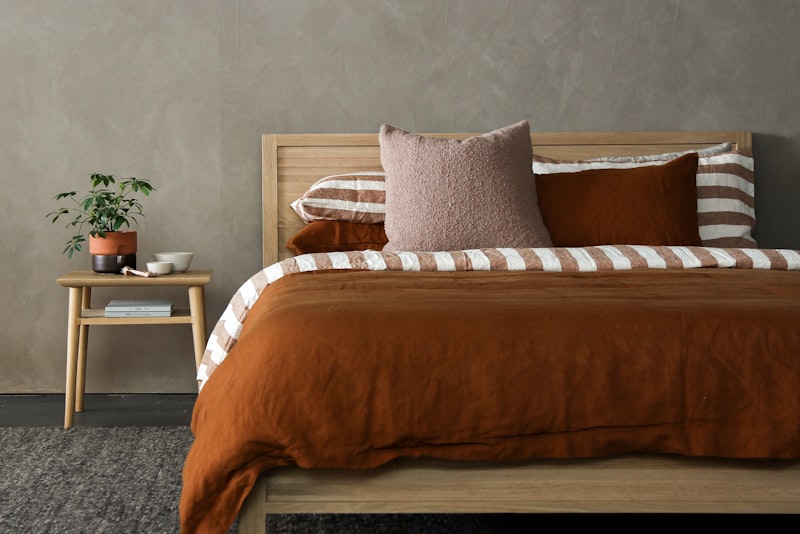
Pay attention to feeling, not labels. You do not need to know whether you lean rustic or contemporary to recognize that warm wood calms you, or that a particular shade of green makes you happy every single time. Style names are useful shorthand, but they come later. What matters first is the honest, slightly stubborn pull toward certain colors, textures, and moods that has probably been with you for years.
It helps to look backward, too. Think about a room from your past that you genuinely loved, a grandparent's kitchen, a friend's cozy flat, a hotel that felt like a hug. Ask yourself what specifically made it feel good. Was it the light, the softness, the clutter, the calm? Those memories are full of personal data, and they point straight toward the home you are trying to create now.
Gather Images and Look for Patterns#
Once you start paying attention, the next step is to collect. Save images of rooms, objects, and details that stop you in your tracks, without overthinking why. Pull them from anywhere that inspires you and gather them in one place, a folder, a board, a notebook of torn pages. The goal at this stage is volume and honesty, not curation. Save what you love, even if it seems contradictory.
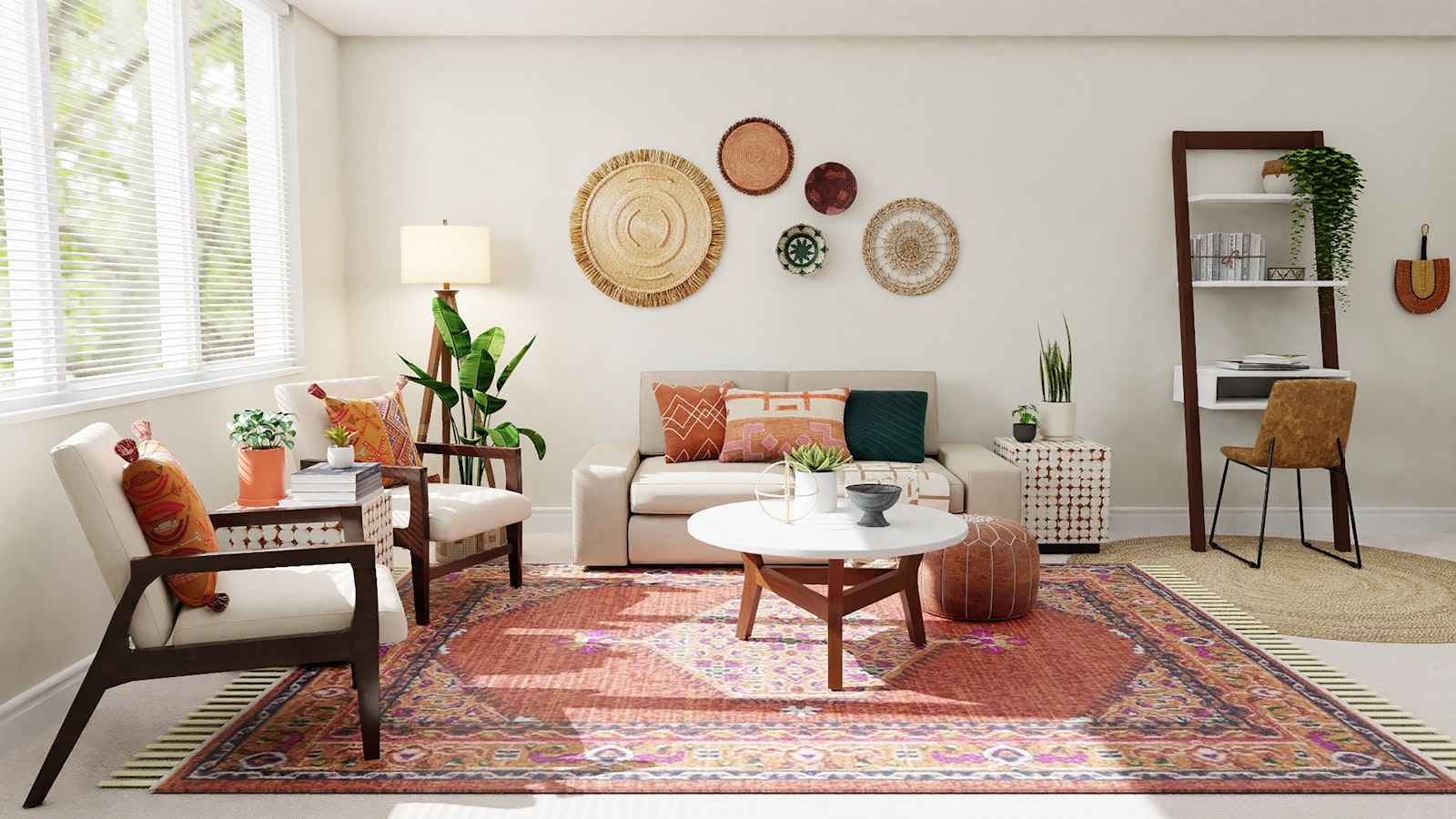
The magic happens when you step back and look at the collection as a whole. Almost always, themes emerge that you did not consciously choose. Maybe nearly every image has plants, or warm light, or a particular palette running through it. Perhaps you keep saving rooms that feel calm and uncluttered, or ones bursting with pattern and color. These repetitions are your style speaking clearly.
Your personal style is not something you invent from nothing; it is the quiet pattern that emerges when you finally pay attention to what you love.
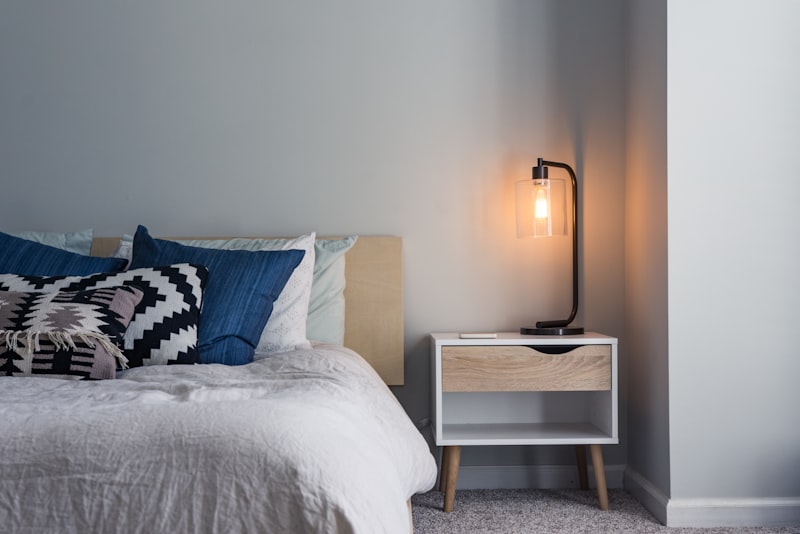
Look for the threads that connect your favorites rather than the differences. You might be drawn to both a serene minimalist bedroom and a layered, colorful living room, and wonder how they fit together. Often the connection is a shared feeling, comfort, warmth, a sense of ease, even when the surfaces look different. Naming that underlying feeling is far more useful than forcing yourself into a single style box.
Let Go of Trends and Rules#
One of the biggest obstacles to a personal home is the nagging sense that you are supposed to like certain things. Trends are everywhere, and they can be genuinely inspiring, but they are not instructions. A look that is everywhere this year may leave you cold, and that is completely fine. Your home answers to you, not to the prevailing fashion.
The same goes for so-called rules. Design is about taste and ideas, not rigid laws, and most rules are really just one person's preference dressed up as fact. If a rule helps you, keep it. If it makes your home feel less like yours, set it aside without guilt. The most memorable rooms almost always break some convention on purpose, because they were built around a real person rather than a checklist.
This is also where confidence grows. Every time you choose what you genuinely love over what you think you should choose, your sense of style gets clearer and stronger. Permission is the quiet ingredient in personal design: permission to keep the inherited chair you adore, to paint a bold wall, to leave a room sparse, to ignore the trend everyone else is chasing. Your preferences are reason enough.
Build Your Home Slowly and Trust It#
A personal style is not assembled in a weekend, and it is far better that way. The homes that feel most like their owners almost always came together gradually, piece by piece, as those people learned what they loved and lived with their choices. Rushing to finish a room often leads to a space that looks complete but feels strangely impersonal.
So give yourself room to evolve. A few simple habits keep the process grounded and enjoyable.
- Buy fewer things, but choose ones you genuinely love and will keep.
- Live with a change for a while before deciding what comes next.
- Let pieces with real meaning, gifts, finds, heirlooms, lead the way.
- Trust your reactions; if something delights you, that is data.
- Revisit your collected images now and then to stay anchored to yourself.
As your home fills in, you will notice it teaching you about your own taste. You will see which choices still make you happy and which ones never quite landed, and each observation sharpens your eye for the next decision. This is why patience pays off so handsomely. A home built slowly is a home that actually fits, because it grew around your real life rather than a fixed plan. If a change you are weighing touches walls, wiring, or plumbing, bring in a licensed professional before anything is altered.
Finding your personal style, in the end, is really an act of self-trust. You do not need to copy anyone, name your aesthetic perfectly, or get it all right at once. You need only to notice what you love, gather the evidence, set aside the rules that do not serve you, and build at a pace that lets your home reveal itself. Do that, and your rooms will start to feel unmistakably like you. That is exactly how you design the home you love, one honest and confident choice at a time.