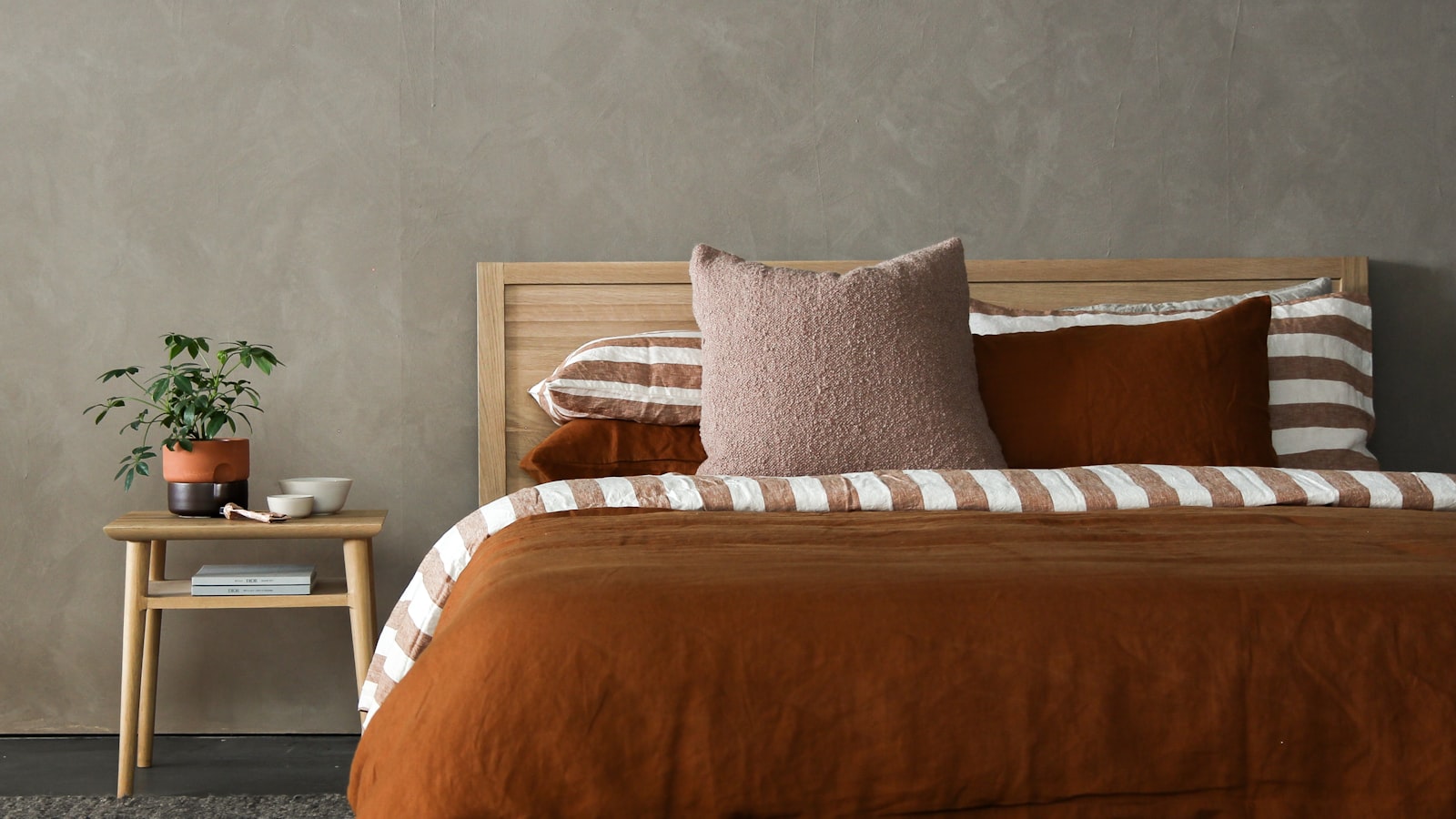
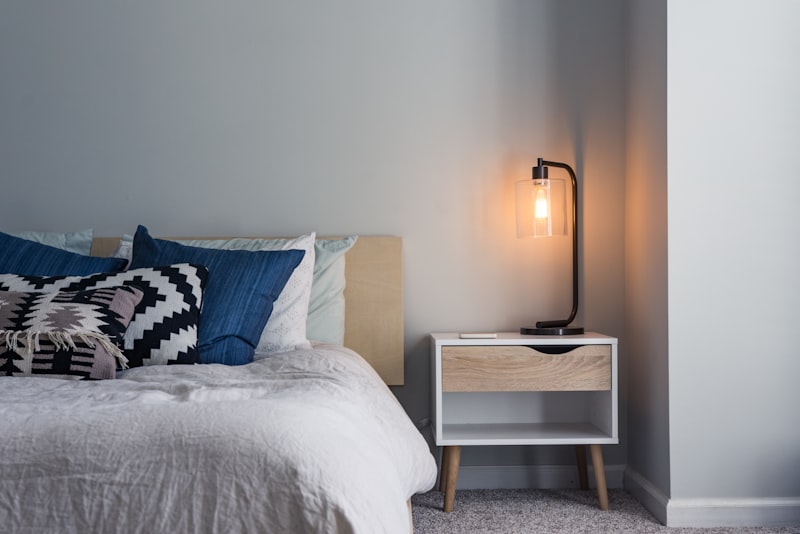
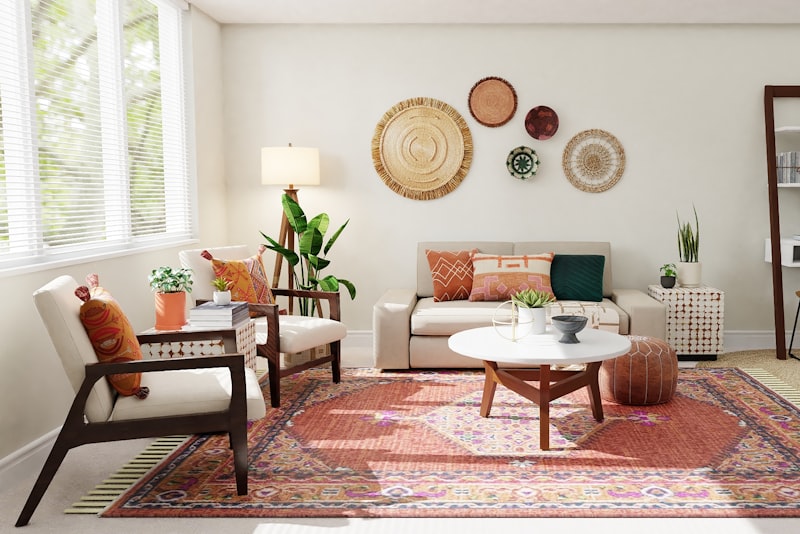
You know the feeling when a home just flows, when you move from room to room and everything seems to belong together, even though each space has its own purpose. That sense of effortless harmony rarely happens by accident. It comes from cohesion, and the good news is that creating it is far more about a few simple threads than about matching everything or spending a fortune.
What Cohesion Really Means#
Let us clear up the biggest misunderstanding first: cohesion does not mean everything matches. A home where every room is identical would feel flat and a little dull, and a home where every piece of furniture comes from the same set often feels more like a showroom than a place someone lives. Real cohesion is about harmony, not sameness. It is the sense that all your different rooms and pieces are speaking the same language, even when they are saying different things.
Think of a great piece of music. The verses and the chorus are not identical, but they share a key, a rhythm, a feeling, so they clearly belong to the same song. A cohesive home works the same way. Your bold, energetic kitchen and your calm, restful bedroom can look quite different from one another, yet still feel unmistakably part of the same home because they share some underlying threads. Those threads are what your eye picks up on as it travels through the space, and they are what make everything feel intentional.
This is wonderfully freeing, because it means you do not have to give up variety or personality to achieve flow. Each room can have its own character and mood. You are simply weaving a few common elements through all of them so the whole house reads as one connected story rather than a series of unrelated chapters. Cohesion is the quiet structure underneath your home's personality.
Color Is Your Most Powerful Thread#
If you do only one thing to unify your home, let it be this: choose a consistent overall palette and let it run through every room. Color is the single most powerful tool for creating cohesion, because the eye reads a shared palette as belonging together almost instantly, even across very different spaces. This does not mean painting every wall the same shade. It means working from one connected family of colors throughout the house.
A reliable way to do this is to pick a small palette and then vary how it appears from room to room. Perhaps you have a few core neutrals that show up everywhere, plus a couple of accent colors that you lean on more heavily in some rooms and only touch lightly in others. The living room might use your accent blue boldly, while the bedroom only whispers it through a single cushion, and the hallway skips it entirely in favor of the shared neutrals. Because the colors all come from the same family, the rooms feel related no matter how differently each one uses them.
Cohesion is not about every room matching; it is about every room belonging to the same quiet story.
Carrying a color from one room into the next is an especially lovely trick, particularly in open spaces or wherever you can see from one room into another. When a green you used on a kitchen accent reappears as a plant or a piece of art in the adjoining dining area, your eye links the two spaces together and the transition feels seamless. These deliberate echoes are the difference between rooms that flow and rooms that feel abruptly separate.
Repeat Materials, Finishes, and Shapes#
Color does a great deal of the work, but the most polished, pulled-together homes reinforce it by repeating materials and finishes too. When the same wood tone, metal finish, or texture appears across multiple rooms, those repetitions stitch the whole house into a family. The eye catches every echo and reads consistency, even when you are not consciously aware of why a home feels so settled.
Metal finishes are an easy place to start, because they show up everywhere in hardware, lighting, and fixtures. If your home mixes warm brass in one room, cool chrome in another, and dark iron in a third, with no rhythm to it, the result can feel slightly restless. Choosing one or two finishes to lead throughout the house brings instant calm and coherence. The same goes for wood tones; leaning toward a consistent range of warmth in your floors and furniture quietly ties rooms together, where a jumble of clashing wood tones can pull them apart.
Shape and styling habits matter too. If you favor soft, rounded forms in one room, echoing a few curves elsewhere keeps the feeling consistent. If you style your surfaces with a light, minimal hand in the living room, doing the same in the bedroom maintains the rhythm. Even small repeated details, a particular kind of frame, a recurring texture, a consistent approach to how full or sparse your shelves are, all add up to that sense of one connected home. A few unifying habits can pull together:
- A small, consistent color palette used across every room.
- One or two metal finishes leading throughout the house.
- A consistent range of wood tones in flooring and furniture.
- A repeated texture, shape, or styling approach room to room.
- A single overarching mood or style guiding your choices.
Let One Thread Run Through the Whole Home#
Beyond color and materials, the most cohesive homes usually have one larger unifying idea running quietly through everything, an overarching mood or sensibility that guides every choice. Maybe your home leans calm and natural, or warm and collected, or light and airy. When you have a clear sense of that overall feeling, it becomes a gentle filter for decisions in every room, and the whole house naturally pulls in the same direction.
This thread is what lets you have variety without chaos. Your rooms can differ in color and function, but if they all share that underlying mood, they still feel like one home. A calm, natural sensibility, for instance, might show up as soft textures in the bedroom, as plants and wood in the kitchen, and as a restful palette in the living room. The expressions differ, but the spirit is the same, and that shared spirit is the deepest form of cohesion there is.
The best part is that this thread also makes shopping and decorating dramatically easier. When you know the feeling you are building toward, you can hold any potential purchase up against it and ask a simple question: does this belong in my home's story. That single filter quietly prevents the random, disconnected accumulation that makes so many homes feel scattered, and it keeps every new addition reinforcing the cohesion you have built rather than working against it.
Creating a cohesive home, then, is really an act of gentle editing and intention rather than expense. Choose a palette and carry it everywhere, repeat a few materials and finishes, and let one clear mood guide your hand throughout. Do that, and your rooms will begin to flow into one another with a harmony that feels effortless and entirely your own. That quiet, connected sense of belonging is exactly how you design the home you love, one thoughtfully threaded room at a time.