A bookshelf is one of those rare pieces of furniture that's equal parts practical and personal — it holds your clutter and tells your story at the same time. Choose the right one and it earns its keep for decades, quietly organizing your life while showing off the books and objects you love. Choose poorly and you're left with something that wobbles, overflows, or never quite fits. Here's how to get it right the first time.
Measure before you fall in love#
The most common bookshelf regret starts with skipping the tape measure. A shelf that looks perfect online or in a store can arrive too tall for your ceiling, too wide for the wall, or too shallow for your biggest books. So before anything else, measure the spot where the shelf will live: the wall width, the height available, and how far it can stick out into the room without blocking a path or a doorway.
Then measure what you're actually storing. Bookshelves come in different depths, and standard novels need far less room than oversized art books, board games, or bins of supplies. If you know you've got deep books or chunky baskets to house, a shallow shelf will leave them hanging over the edge. Note your tallest and deepest items so you can match the shelf to your real collection rather than an imagined one.
It's also worth thinking ahead about quantity. Most of us accumulate more books and belongings over time, not fewer, so a shelf that fits your collection exactly today will be overflowing within a year. Choosing a little more capacity than you need now is one of those decisions you rarely regret.
Match the type to how you live#
Bookshelves come in a few broad flavors, and the right one depends less on looks than on how you'll use it. An open shelf, with everything on display, is welcoming and easy to reach into, and it lets your books and objects become part of the room's decoration. A closed unit, with doors or drawers, hides the contents and keeps things looking tidy even when life is messy behind them. Many people are happiest with a mix: open shelves up top for the things worth showing, closed storage below for the things that aren't.
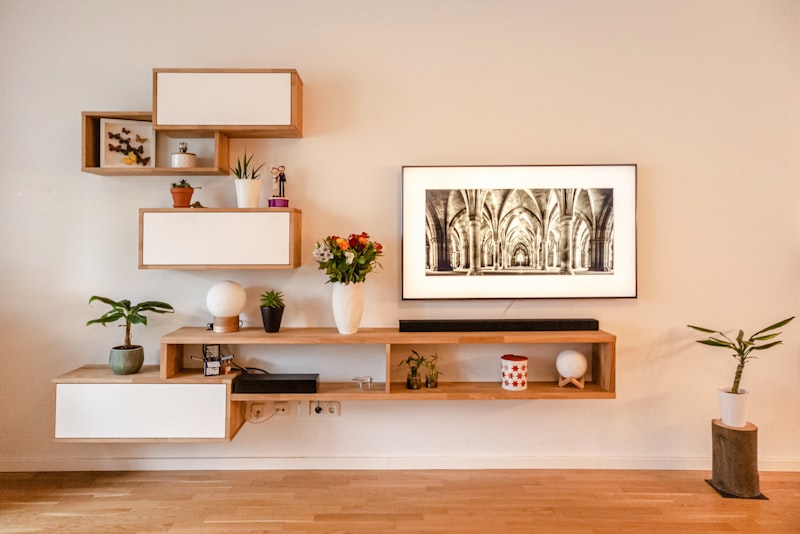
Height is the next big choice. A tall shelf makes the most of a small footprint by going vertical, which is a gift in a tight room — though it does need anchoring, which we'll come to. A low, long shelf draws the eye sideways, doubles as a surface for lamps and plants, and keeps everything within easy reach. Wall-mounted shelves float free of the floor entirely, which can make a room feel more open, but they ask more of your wall and your hardware.
The best bookshelf isn't the prettiest one in the store — it's the one that fits your space, holds your stuff, and stands rock-solid for years. Function and safety come first; style follows close behind.
Style matters, of course, but it's more forgiving than people expect. A bookshelf doesn't have to match your other furniture exactly; it just needs to relate through a shared finish, color, or feeling. A warm wood shelf can ground a modern room, and a simple painted unit can disappear quietly so the books themselves do the decorating.
Insist on sturdy, flexible construction#
This is where it pays to be a little demanding. A bookshelf carries real weight — books are surprisingly heavy in bulk — and a flimsy unit will sag, bow, or wobble under the load within months. Look for solid construction, shelves that feel substantial rather than thin and flexible, and a frame that doesn't rack or shift when you give it a gentle push. A few features separate a shelf that lasts from one that disappoints:
- Adjustable shelves, so you can rearrange the spacing as your collection changes.
- A weight rating or visibly sturdy materials that won't bow under a full load of books.
- A back panel or cross-bracing, which keeps the whole unit from leaning over time.
Adjustability deserves special mention. Fixed shelves lock you into one layout forever, while adjustable ones let you make room for tall books today and short ones tomorrow. That small flexibility is what keeps a bookshelf useful for years rather than fighting you every time your collection shifts.
If you're choosing a secondhand or vintage shelf, give it the same scrutiny — check that the joints are tight, the shelves are flat rather than already sagging, and the whole thing stands steady without rocking. A beautiful old bookcase is a wonderful find, but only if it's sound.
Place it safely and make it yours#
Once your shelf arrives, where and how you set it up matters as much as which one you chose. The single most important step, especially with any tall unit, is anchoring it to the wall. A loaded bookshelf can become top-heavy and tip, which is a genuine danger around children, pets, and anyone reaching for a high shelf. Anti-tip straps or brackets are inexpensive and easy, and using the right anchors for your wall type makes all the difference. If you rent, anchoring is still worth doing for safety — just check your lease and ask your landlord before drilling, and use a stable step stool rather than a chair when you reach the upper shelves.
After that, the fun begins. Load the heaviest books low to keep the center of gravity down, leave a little breathing room rather than cramming every inch, and tuck in a few objects you love so the shelf reads as yours. Don't feel you have to fill it on day one; a slightly open shelf has room to grow as your collection and your taste evolve.
Choosing a bookshelf well is really just paying attention — to your space, your stuff, and the way the piece is built. Measure honestly, pick the type that suits your life, demand sturdiness, and anchor it safely. Do that, and you'll end up with a bookshelf that quietly serves you for years and looks, every time you walk past, unmistakably like home.