An accent chair is the small, confident move that makes a room feel finished. It adds a place to sit, of course, but more than that it brings in a shape, a color, or a texture that the bigger pieces can't. Choose well and it becomes the spot everyone gravitates toward; choose carelessly and it just takes up a corner.
Decide what job the chair is doing#
Before you fall for a shape in a showroom, get clear on what you actually want the chair to do, because that one decision shapes everything else. Some accent chairs are meant to stand out — a bold color, a sculptural silhouette, a pattern that grabs the eye the moment you walk in. Others are meant to blend in and quietly add a seat without competing with the sofa or the art. Both are valid, but they pull you toward very different chairs, so it helps to name your intention up front.
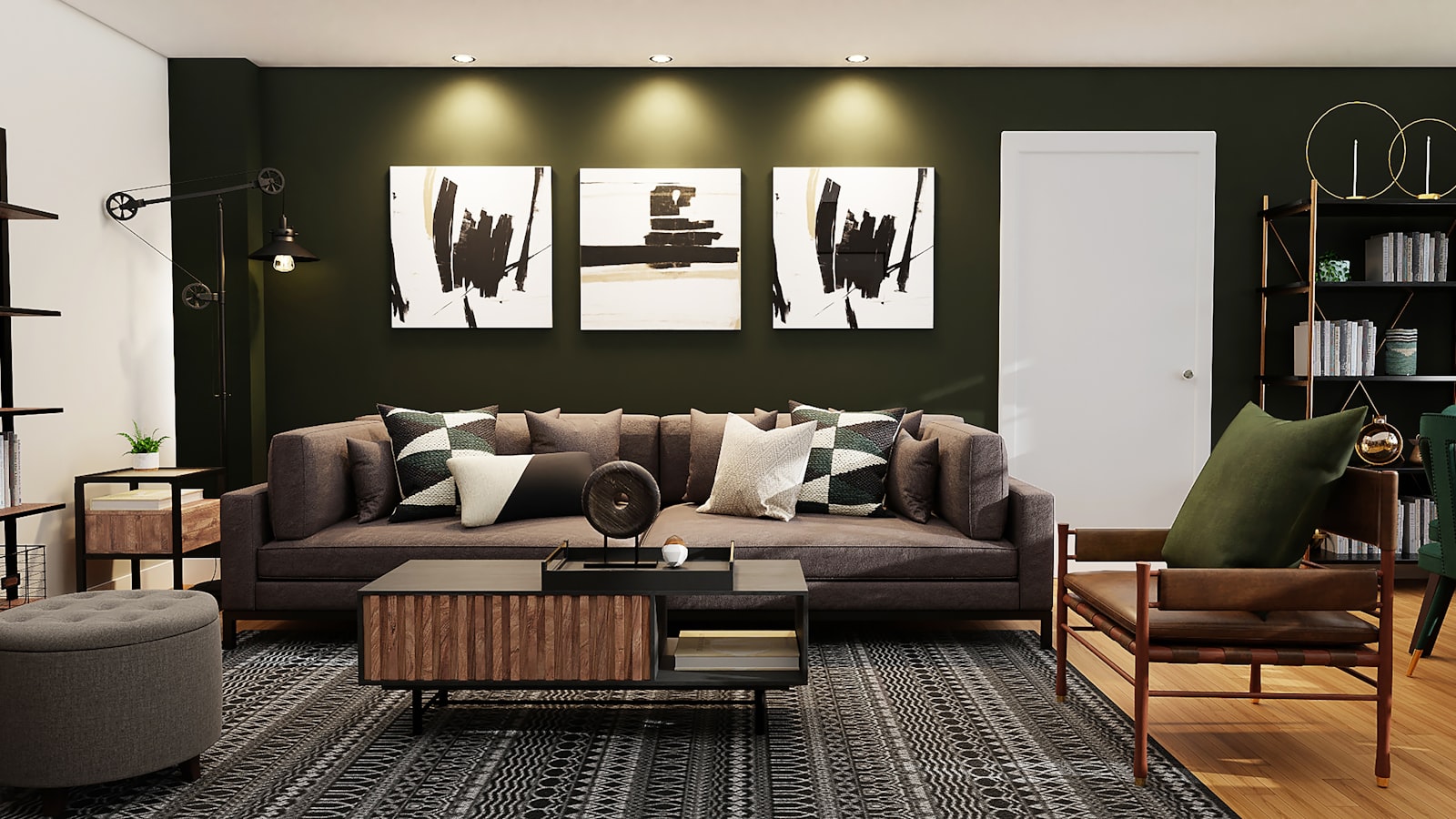
If you want the chair to be a statement, let it contrast with what surrounds it. A room full of soft neutrals comes alive with a single chair in a deep, saturated tone or an unexpected pattern. A space full of straight lines and right angles is lifted by a chair with a gentle curve. Contrast is what makes an accent feel intentional rather than accidental, and a little of it goes a long way — one striking chair does more for a room than three timid ones.
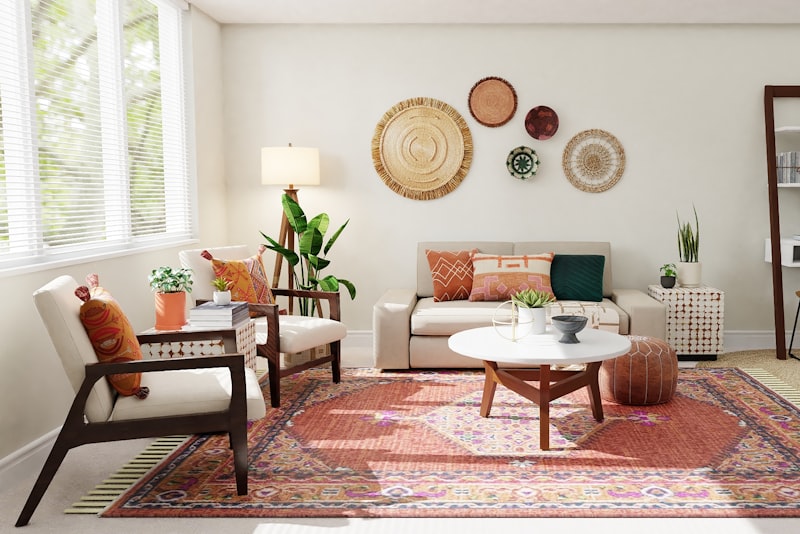
If instead you want the chair to support the room rather than steal the scene, look for something that echoes what's already there. Pull a tone from your rug, repeat the wood of your coffee table in the chair's legs, or match the fabric family of your existing seating. A blending chair still earns its place by adding a seat and a slightly different shape, but it does so without raising its voice. Knowing which role you're casting the chair in keeps you from buying something gorgeous that fights everything around it.
Comfort still counts#
It's easy to be seduced by a beautiful silhouette and forget that an accent chair is, first and last, a chair. Someone is going to sit in it — maybe for a long conversation, maybe with a book and a cup of coffee — and a chair that looks stunning but feels like a punishment won't get used. A pretty seat that sits empty is just an expensive sculpture taking up floor space.
So whenever you can, sit in the chair before you commit. Notice how the seat depth suits your body, whether the back supports you or leaves you perched on the edge, and how the armrests feel under your forearms. A chair you'll genuinely lounge in needs to cradle you a little; a chair meant mostly for a quick perch by the entry or as occasional overflow seating can be firmer and more upright. Match the comfort to the use, and be honest about how the chair will really live in your home.
A chair earns its place in a room by being sat in, not just looked at. The most beautiful seat in the world is wasted if no one wants to stay in it.
Pay attention to height as well, since it changes how the chair relates to everything near it. A chair that sits much lower or higher than your sofa can look mismatched and feel awkward to move between. Aim for a seat height that sits comfortably alongside your other seating, so the grouping reads as a set of friends rather than strangers. When the proportions feel right, the chair settles into the room instead of standing apart from it.
Get the scale right#
Scale is where accent chairs most often go wrong, and it's worth slowing down for. A chair that looks perfectly fine on its own can overwhelm a small corner or vanish in a large open room. The trick is to judge the chair against the space it will actually live in, not against the showroom floor, which is almost always bigger and emptier than your home.
Measure the spot you have in mind before you shop, and measure the doorways and stairwells the chair has to travel through to get there. A generously proportioned wing chair anchors a roomy living room beautifully, but the same chair jammed beside a slim console can feel like it's bursting out of its corner. In a tighter space, a slimmer profile — an armless chair, an open-frame design, a piece with exposed legs that lets light pass underneath — keeps things feeling airy while still adding a seat. Visual weight matters as much as actual footprint here.
Think about the negative space around the chair too, because breathing room is part of the look. A chair needs a little air to feel intentional rather than crammed in. If you're tucking it into a reading nook, leave room for a side table and a lamp so it becomes a little destination. If it's joining a seating group, angle it slightly toward the others so it invites conversation rather than sitting stiffly against the wall. A chair that has space to be approached and used always feels more welcoming than one wedged into a gap.
Choose fabric for real life#
The fabric you choose decides how the chair ages and how relaxed you feel using it. A pale, delicate textile on a chair in a busy family room is a recipe for daily anxiety, while a tough, forgiving weave lets everyone actually use the seat without a second thought. Be realistic about your household — kids, pets, snacks, sunlight — and let that honesty guide the material more than any trend.
For a chair that gets daily use, lean toward durable, cleanable fabrics in tones that hide the ordinary marks of life. A mid-depth color or a subtle texture forgives far more than a flat, pale solid. For a chair in a quieter, more formal spot, you can indulge in something softer, richer, or lighter, because it won't be tested as hard. The point is simply to match the fabric's resilience to the chair's real job, so the piece looks good for years instead of months.
An accent chair is one of the most satisfying small decisions you can make for a room. Decide whether it's there to stand out or settle in, make sure it's genuinely comfortable, size it honestly to your space, and dress it in a fabric that suits your life. Do that, and you'll end up with a chair that's both lovely to look at and the first place anyone wants to sit.