Your bedroom is the one room in the house that exists purely for rest, and the furniture you choose either supports that calm or quietly undermines it. A crowded, mismatched bedroom keeps your mind busy even when you're trying to switch off, while a well-considered one helps you exhale the moment you walk in. The good news is that choosing bedroom furniture comes down to a few clear priorities, starting with the obvious centerpiece.
Start with the bed#
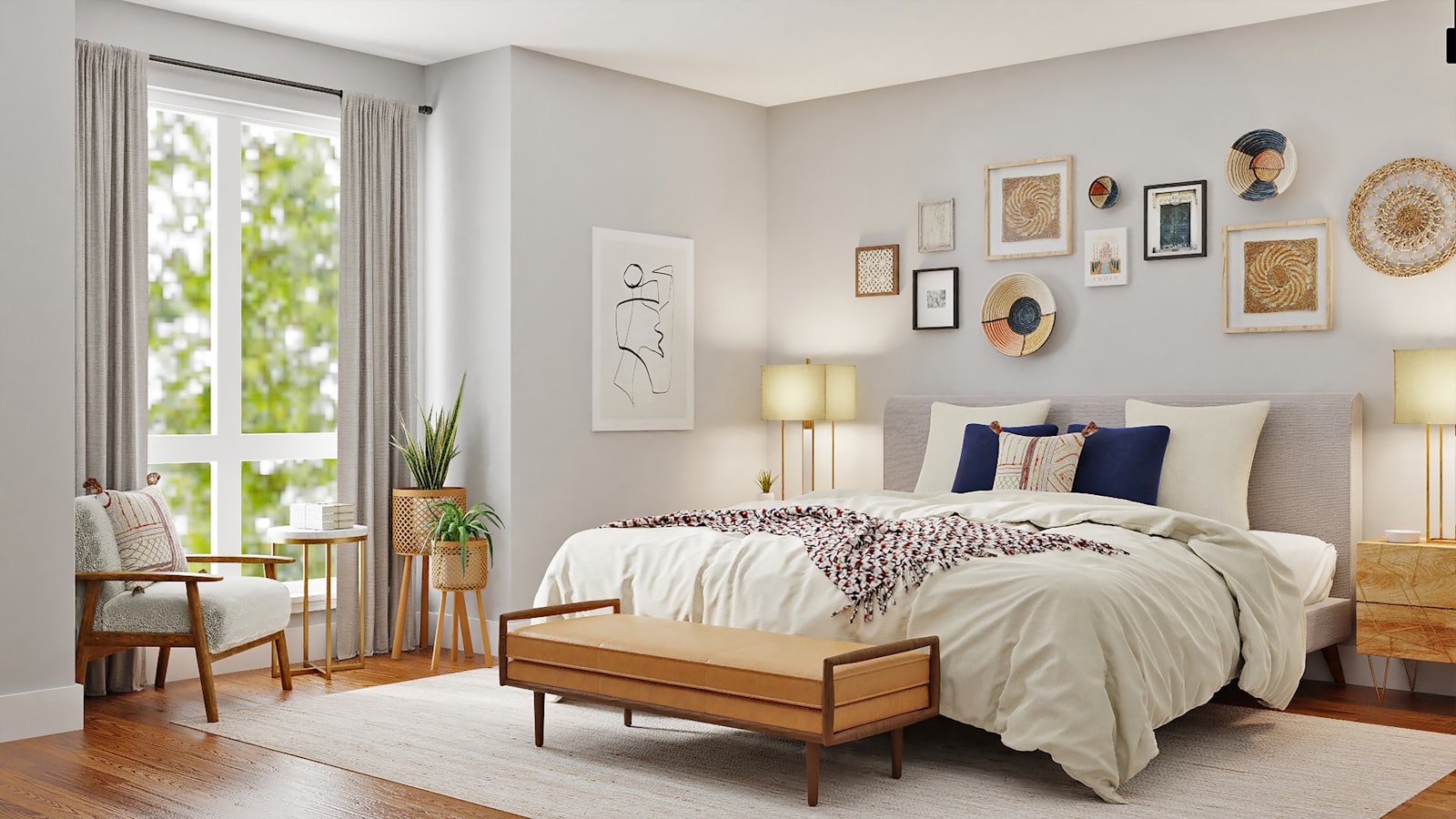
The bed is the heart of the room and the piece everything else orbits, so choose it first and let it set the tone. Its size is the single biggest decision, and it's a balance between the rest you want and the room you have. A larger bed is a glorious thing to sleep in, but a bed that leaves no room to walk around it turns a calm space into an obstacle course. Measure your room before you fall in love with a frame, and picture the clear paths you'll need on the sides and at the foot.
Beyond size, the bed sets the mood of the whole room. A tall upholstered headboard feels soft and enveloping; a low platform frame feels modern and grounded; a wood frame brings warmth and a sense of permanence. There's no wrong answer — only the feeling you want to wake up to. Because the bed is the largest thing in the room and the piece you'll keep longest, it's the smartest place to spend a little more if your budget allows, choosing solid construction and a frame that won't creak its way through the years.
Once the bed is chosen, its scale and tone become the reference point for everything else. A heavy, substantial bed wants companions with some presence; a light, airy frame is happier surrounded by simpler pieces.
Plan storage that keeps the calm#
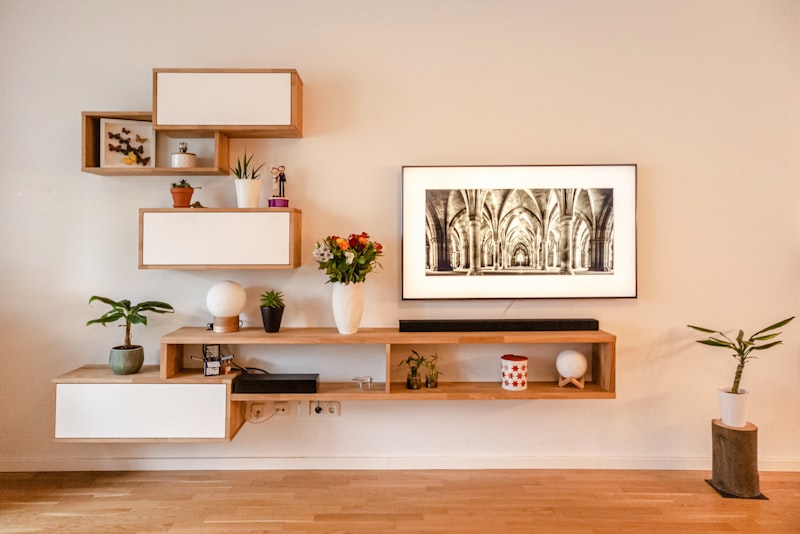
Bedrooms fail at rest when clutter has nowhere to go, so storage isn't an afterthought — it's what keeps the room peaceful. The aim is to give every belonging a home that's out of sight, because visible clutter is visual noise, and visual noise is the enemy of sleep. Think honestly about what you need to store: clothes, of course, but also books, chargers, spare bedding, and the small things that tend to pile up on flat surfaces.
A dresser handles folded clothes and keeps the closet from overflowing. Nightstands corral the bedside essentials — a lamp, a book, a glass of water — so they're in reach without cluttering the floor. If your room is tight, look for pieces that work harder: a bed with drawers underneath, a bench at the foot that opens for blankets, a nightstand with a closed cabinet instead of an open shelf. Hidden storage almost always beats open storage in a bedroom, because closed doors and drawers keep the visual field quiet.
A restful bedroom isn't one with nothing in it — it's one where everything has a place to disappear. Calm comes from order you don't have to see.
Match your nightstands to the height of your mattress so the lamp and your phone sit within easy reach, not far below or awkwardly above. Small ergonomic details like this are the difference between furniture that looks right and furniture that actually serves you night after night.
Get scale and flow right#
A bedroom suffers more than most rooms from furniture that's the wrong size, because there's usually less floor to spare. A dresser that's too bulky, nightstands that crowd the bed, or a chair wedged into a corner it doesn't fit all chip away at the sense of ease. Before you buy, measure the room and the wall space each piece will occupy, then leave generous paths so you can move around the bed and open every drawer and door without a shuffle.
A few guidelines that keep a bedroom feeling open:
- Leave a clear walking path on at least one side of the bed, and ideally both.
- Choose a dresser that fits its wall with room to spare rather than filling it edge to edge.
- Keep furniture proportional to the bed so nothing looks oversized or lost beside it.
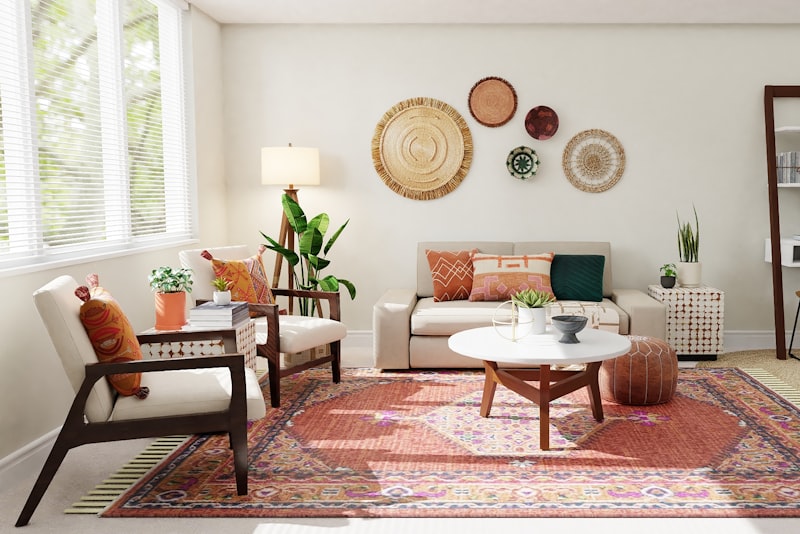
You also don't need to fill every wall. A bedroom benefits enormously from a little emptiness — a bare stretch of wall, a clear floor, a surface with nothing on it. Resist the urge to add furniture just because there's space; the breathing room is part of what makes the room restful. Fewer, better-chosen pieces will always feel calmer than a room packed with furniture that technically fits.
Add comfort and choose for the long run#
Once the essentials are in place, a single comfort piece can transform the room. A small armchair in a corner gives you somewhere to read, pull on your shoes, or simply sit that isn't the bed. A bench at the foot offers a landing spot for tomorrow's clothes. These extras aren't strictly necessary, but they're what tip a bedroom from functional into genuinely lovely, and they reward you every day.
When it comes to spending, favor quality over quantity. A bedroom is a room you keep for years, so buying fewer pieces that are well made will serve you better than filling the space quickly with things that wobble or wear out. If you're furnishing on a tight budget, prioritize the bed and a good mattress first, then add storage and comfort over time as you can. There's no rush, and a slowly furnished room often ends up more thoughtful for the wait.
A couple of practical notes round things out. If you're a renter, anchoring tall dressers or bookcases to the wall is a worthwhile safety step to prevent tipping, especially around children — just check your lease and ask your landlord before drilling, and use the right anchors for your wall type. Whatever you choose, let rest be the measure of every decision. Pick the bed, plan storage that hides the clutter, keep the scale generous, and add a touch of comfort. Do that, and you'll have a bedroom that doesn't just look serene but actually helps you sleep — which is the only review that really matters.