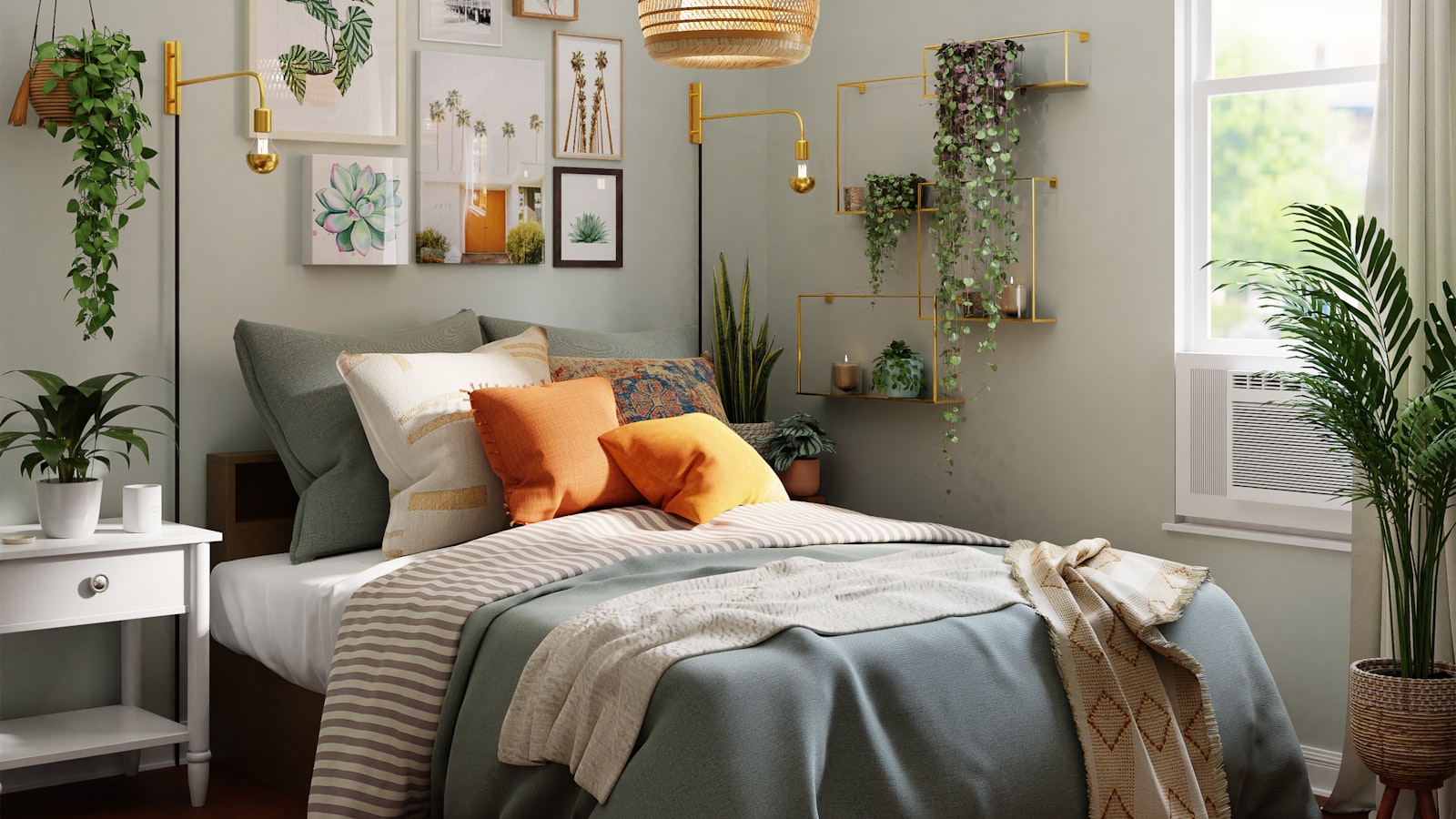
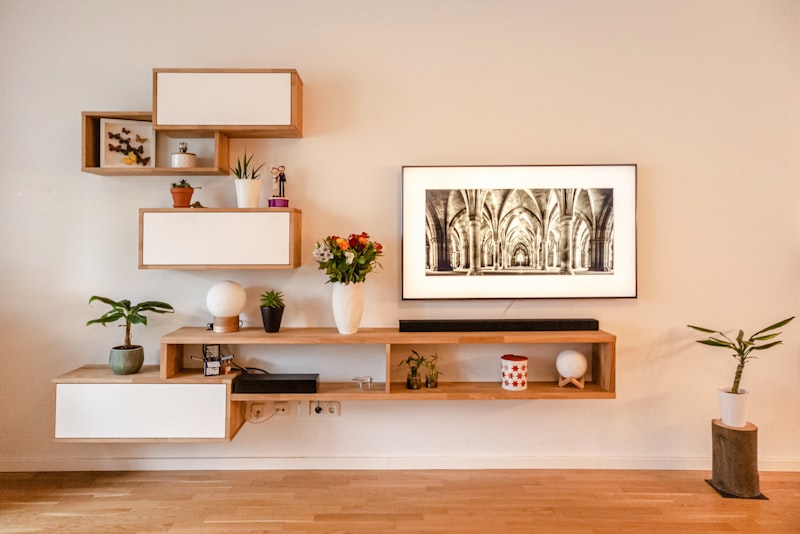
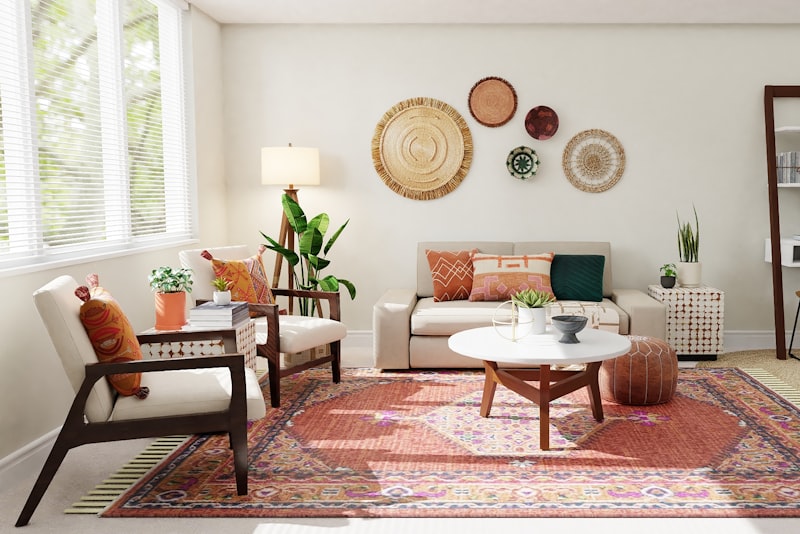
Lighting is the quiet difference between a room you tolerate and a room you love to linger in. The same space can feel like a sterile waiting room under one harsh bulb and a warm retreat under a thoughtful mix of soft light. Choosing fixtures isn't about chasing trends — it's about understanding how light shapes a mood, then picking pieces that do that work beautifully.
Think in layers, not a single source#
The most common lighting mistake is relying on one fixture in the middle of the ceiling to do everything. That single overhead light flattens a room, casts unflattering shadows, and leaves the corners gloomy. The fix is to think in layers, the way a stylist does, so the light builds up gently from several directions instead of glaring down from one.
There are three layers worth knowing. Ambient light is the general glow that fills the room — a ceiling fixture, a flush mount, or several lamps working together. Task light is focused where you actually do things: a reading lamp by a chair, a pendant over a kitchen island, a desk lamp where you work. Accent light is the finishing touch that adds atmosphere — a small lamp on a shelf, a picture light, a candle's worth of warmth in a dim corner.
A room that combines all three feels alive and adjustable. You can flood it with light when you're cleaning, then dim the ambient layer and lean on lamps for a cozy evening. When you're choosing fixtures, picture which layer each one is filling, and aim to cover all three across the room rather than overloading a single spot.
Match the fixture to the room and its scale#
A fixture that's the wrong size throws a room off balance more than almost anything else. A tiny pendant lost above a big dining table looks accidental, while an oversized chandelier in a small entry feels like it's swallowing the space. Scale is the first thing to get right, and it's mostly common sense once you start looking for it.
For something hanging over a surface like a table or island, the fixture should feel proportional to that surface — wide enough to anchor it, but not so wide that you'd bump it reaching across. For a room overall, taller ceilings can carry larger, more dramatic fixtures, while modest rooms are happier with simpler shapes that don't crowd the air. When in doubt, hold up a stand-in — a cardboard cutout or even your hands — and look from across the room before you commit.
Lighting is jewelry for a room. The right piece finishes the whole space, while the wrong size nags at you every time you walk in, even if you can't name why.
Style matters too, but less than people fear. A fixture doesn't have to match your furniture exactly; it just needs to relate through a shared finish, color, or feeling. A modern room can wear a vintage fixture beautifully, and a single sculptural light can become the star of an otherwise simple space.
Get the warmth and placement right#
Two fixtures of the same shape can feel completely different depending on the bulb inside. The warmth of light — measured as color temperature — sets the entire mood. Warmer, golden light feels relaxing and flattering, which is why it suits living rooms, bedrooms, and dining areas where you want to unwind. Cooler, brighter light feels crisp and energizing, which can help in a task-heavy spot like a workshop or a vanity, though many people still prefer something gentler even there.
A handful of choices make warmth and flexibility easy to dial in:
- Choose warm-toned bulbs for the rooms where you relax, and save cooler light for focused work areas.
- Add dimmers wherever you can so one fixture can shift from bright and practical to soft and cozy.
- Keep the bulb warmth consistent within a single room so the light reads as calm rather than patchy.
Placement is the other half of the equation. A reading lamp does nothing if it's across the room from the chair, and a pendant hung too high or too low over a table will nag at you for years. As a rule, light should land where you use it: beside the bed, over the counter, next to the sofa. Position lamps so the light falls on your task without glaring straight into your eyes, and spread your sources around the room so the glow feels even rather than spotlit.
Choose what fits your home and your hands#
Before you fall for a fixture, think about how it will actually live in your space. A grand chandelier needs ceiling height and the right wiring to support it. A plug-in lamp or sconce, by contrast, asks almost nothing and is the friendliest option for renters, since it adds rich layered light without touching the wiring at all. If you rent and want to swap a hardwired fixture or add a hardwired sconce, check your lease and ask your landlord first.
This is also where safety has to lead. Plugging in a lamp is a job for anyone. But replacing a ceiling fixture, adding a sconce, installing recessed lights, or running any new wiring is electrical work, and electrical work belongs to a licensed electrician — not a confident weekend. Always switch off the power at the breaker before touching a hardwired fixture, use a stable ladder rather than a wobbly chair when you need height, and never guess your way through wiring. The cost of doing it right is far smaller than the cost of doing it wrong.
Good lighting rewards a little patience. Start by mapping where you need each layer, choose fixtures that fit the scale of the room, warm them up with the right bulbs, and place them where the light actually serves you. Do that, and even a plain room will glow with the kind of easy, welcoming light that makes people want to stay a while — which, in the end, is the whole point of lighting your home.