Some of the most magnetic homes in the world refuse to fit into a single category. They hold a sleek modern sofa next to a worn antique cabinet, a sleek lamp beside a hand-thrown pot, and somehow it all sings. That happy collision is not luck or chaos. It is mixing styles well, and it is far more learnable than it looks.
Why Mixing Is Worth the Effort#
A room built from a single catalog can feel a little flat, like it was delivered all at once and never truly lived in. Mixing styles is what gives a home depth, story, and the unmistakable sense that a real person chose every piece for a reason. It is the difference between a space that looks decorated and one that looks loved.
There is also a deeply practical reason to embrace the mix: almost nobody gets to start from scratch. You already own things. A sofa from one chapter of your life, a table handed down from family, a chair you fell for on a whim. Learning to blend rather than match means you can honor those pieces instead of feeling like everything has to go before your home can look good. That is freeing, and it is kinder to your budget too.
Mixing also keeps a room feeling timeless. When you are not chained to one trend, you are not at the mercy of that trend fading. A thoughtful blend of old and new, soft and structured, tends to age gracefully, because it was never trying to be of one particular moment in the first place.
Choose an Anchor, Then Add Guests#
The single most useful idea in mixing styles is the anchor. Pick one style to lead, the one that feels most like home to you, and let it make up the larger share of the room, roughly the bones and the biggest pieces. Then bring in elements from other styles as accents, the way you would invite a few interesting guests to a dinner party rather than fifty strangers.
This keeps the room from feeling like a tug-of-war. If your space is mostly calm and modern, a single ornate vintage mirror becomes a thrilling focal point rather than a contradiction. But if half the room is modern and half is heavily traditional in equal measure, the eye does not know where to settle, and the whole thing reads as confused instead of curated.
The goal is a room that feels gathered over time, not assembled in an afternoon from competing instructions.
A good rule of thumb is to think in terms of one dominant voice and one or two supporting accents. Three or four wildly different styles, all fighting for equal attention, is usually where a mix tips into a muddle. Restraint is what turns variety into harmony, and it is almost always the missing ingredient when an eclectic room is not working.
The Threads That Hold a Mix Together#
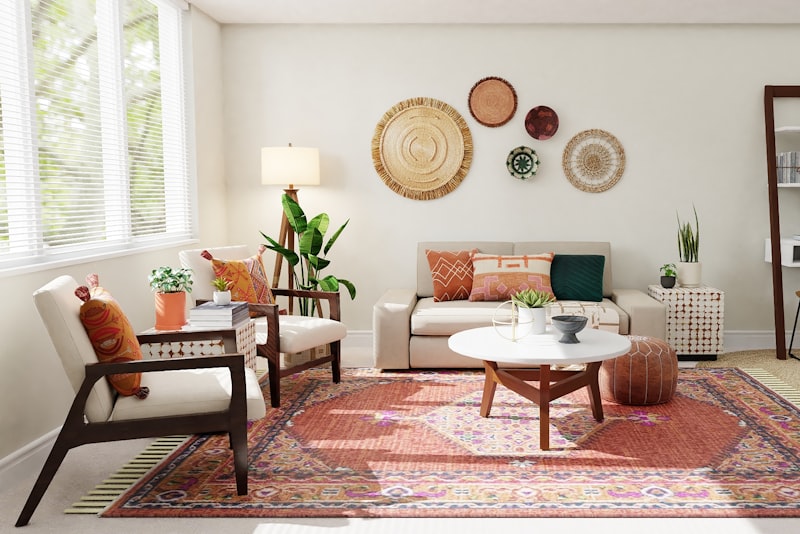
Mixing well is really the art of finding quiet connections between things that seem different. When pieces share a hidden thread, the eye relaxes and reads the whole room as deliberate. Color is the most powerful thread of all. If your modern sofa, your antique chair, and your bohemian throw all live within the same gentle palette, their different shapes and eras stop competing and start cooperating. The color tells the eye that they belong together, even when their styles do not obviously agree.
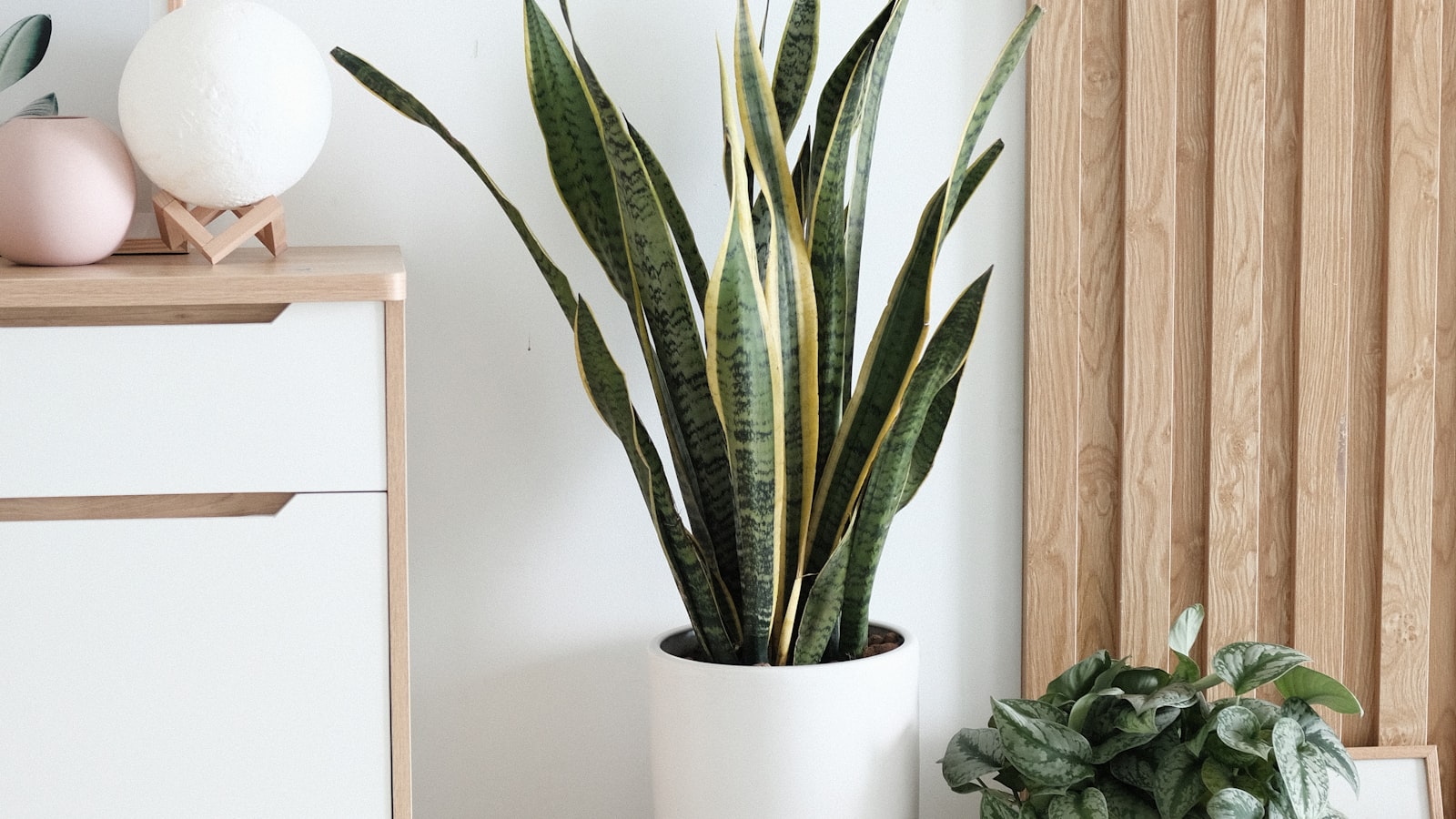
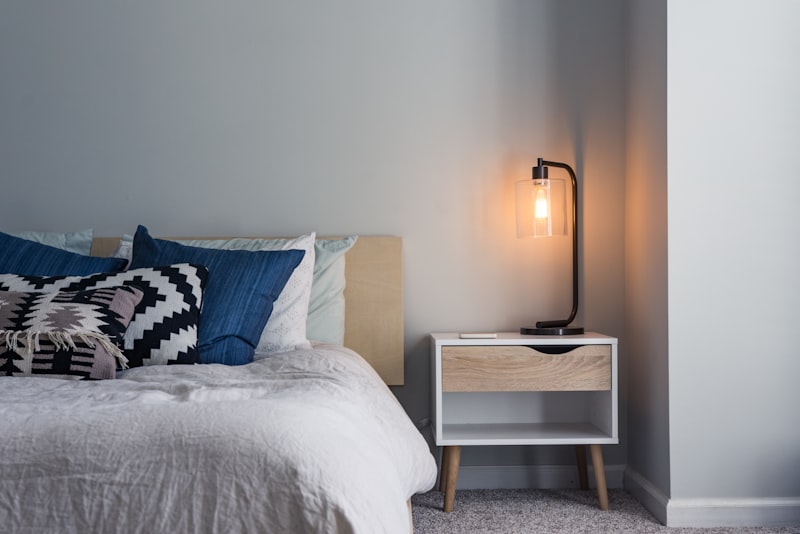
Material is another beautiful connector. Repeating a wood tone, a metal finish, or a particular texture across very different pieces stitches them into a family. A brass lamp finds a friend in a brass picture frame across the room; a warm oak table echoes a warm oak shelf. These rhymes are subtle, but your eye catches every one of them and reads coherence.
Shape and line work the same quiet magic. If several pieces share a curve, or several share clean straight edges, that repetition becomes a rhythm running through the room. You can mix a curvy vintage armchair with a modern sofa more easily if a few other rounded forms echo that softness elsewhere. The pieces start to feel like they are in conversation rather than simply sharing a space.
When you are deciding whether two things belong together, look past their labels and hunt for what they have in common. A few shared threads of color, material, or form will let you combine almost anything with confidence.
Balance, Contrast, and Breathing Room#
Once you have your anchor and a thread or two, the work becomes balance. Contrast is the spark that makes a mix exciting, but it needs to be spread evenly so no single corner feels overloaded. If all your bold, ornate, or colorful pieces cluster on one side of the room, that side will feel heavy and the other side bare. Distribute the energy. Let a striking accent on one wall be answered by something with weight, though not necessarily matching, across from it.
Pay attention to visual weight as much as actual size. A dark, heavy-looking cabinet carries more weight than a slim glass table, even if they take up similar floor space. Mixing styles often means mixing these weights, so move things around until the room feels evenly settled rather than tipping toward one end. Trust your eye here; if a corner feels too busy or too empty, it usually is.
Breathing room matters just as much. When you are combining many different pieces, the empty space around them is what lets each one be appreciated. Cram every surface and the most interesting mix in the world will read as clutter. Leave a little air, and the same pieces suddenly look intentional and collected. Editing is part of the design, not a sign you do not have enough.
A short list of gentle habits can keep your mix on track:
- Let one style lead and others support rather than compete equally.
- Carry a single color palette across every piece you bring in.
- Repeat at least one material or shape to link different eras.
- Spread bold accents around the room instead of bunching them.
- Leave open space so each piece has room to be seen.
Trust Your Own Eye#
Here is the truth that no style guide can give you: the best-mixed rooms come from people who stopped asking permission and started trusting what they love. Rules about which styles can or cannot go together are really just observations about what tends to work, and they are made to be bent the moment your instinct says a particular pairing feels right.
If two pieces make you happy when you see them side by side, that feeling is data worth listening to. A home that reflects a real person, with all their quirks and contradictions and treasures from different chapters of life, will always feel warmer than one that followed every guideline perfectly. The mix is where your personality lives.
So gather the things you love, find the quiet threads between them, give one style the lead, and let the rest play supporting roles. Move pieces around, live with the room a while, and adjust until it feels like you. That patient, personal blending is exactly how you design the home you love, one well-chosen pairing at a time.