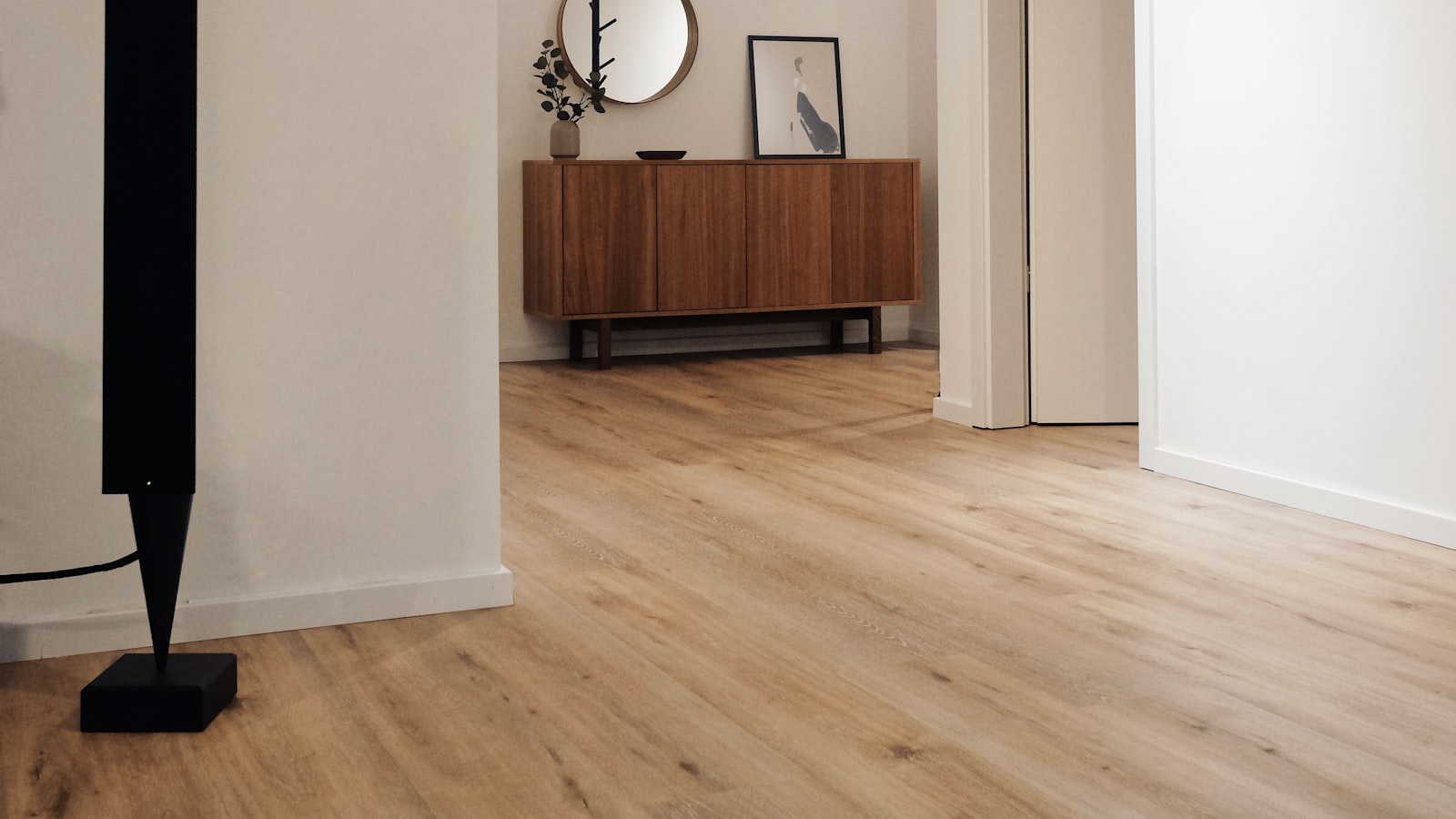
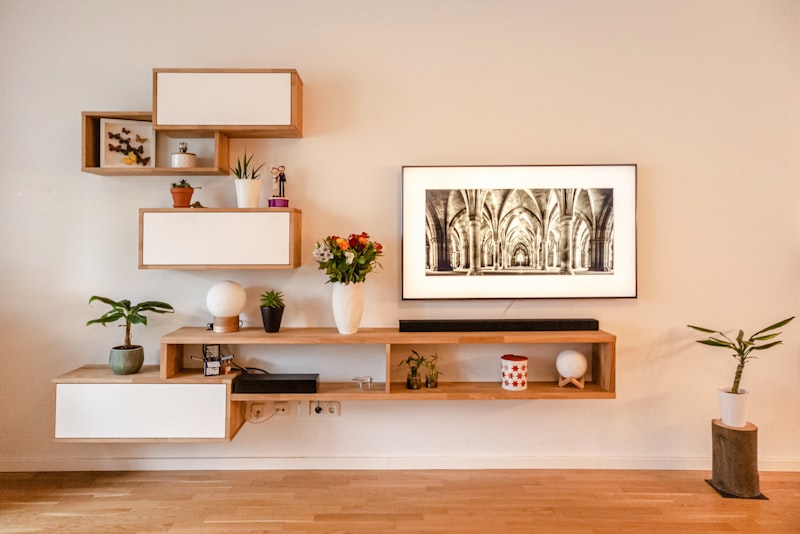
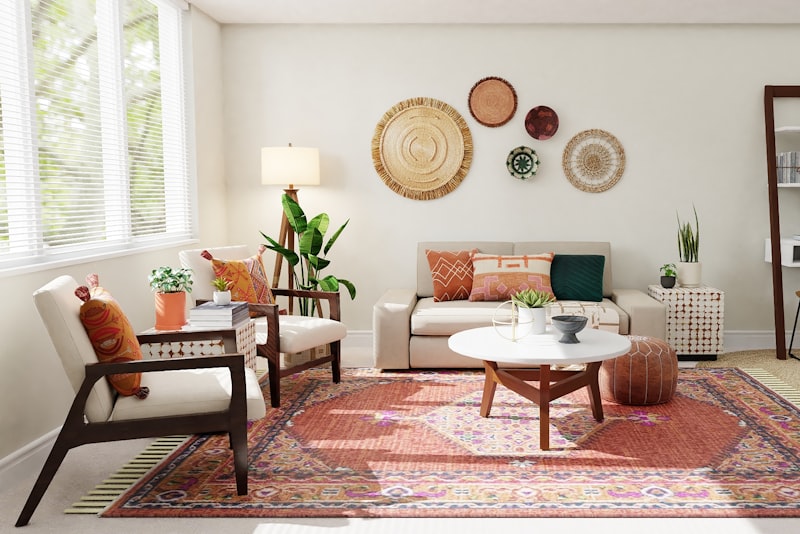
Some of the most inviting homes look like they were gathered over a lifetime, not ordered in a single afternoon. That collected, slightly storied feeling comes from mixing old and new — an heirloom dresser beside a clean-lined bed, a worn leather chair next to a fresh modern sofa. It looks effortless, but it's really just a few simple instincts you can learn, and it frees you from ever needing a matching set again.
Why mixing eras works so well#
A room furnished entirely from one store and one season can feel a little flat, like a showroom that nobody actually lives in. Everything matches, so nothing stands out, and the space tells no story about the person who lives there. Mixing old and new solves this in the most natural way possible: the contrast gives the eye somewhere to land and quietly signals that real life has unfolded here.
Old pieces bring soul. A vintage table carries the small dents and patina of decades, a warmth that brand-new furniture can't fake. New pieces bring ease and function — comfortable seating, clean lines, the practical things that make daily life smooth. Put them together and each makes the other look better. The antique feels less precious and stuffy next to something modern, and the modern piece feels warmer and more grounded beside something with history.
You also sidestep two opposite traps. An all-vintage room can tip into looking like a museum or a cluttered attic, while an all-new room can feel like a catalog. The mix lands you in the sweet spot: a home that feels both fresh and rooted.
Find a thread to tie it together#
The fear with mixing is that the room will look like a jumble of unrelated stuff. The cure is to choose one or two unifying threads that run quietly through everything. A thread is a shared quality that lets very different pieces feel like they belong to the same family, even when their ages and styles are worlds apart.
Color is the easiest thread to start with. If your old and new pieces share a calm palette — warm neutrals, say, or a repeating accent tone — they'll read as intentional no matter how different their shapes are. Wood tone is another reliable thread; you don't need every wood to match exactly, but keeping them in a similar warmth, all warm or all cool, prevents a clash. Metal finishes work the same way: echo a brass lamp with a brass drawer pull elsewhere and the room feels considered.
You don't need everything to match — you need things to relate. One shared color, finish, or material is enough to turn a pile of mismatched pieces into a room that feels gathered with intention.
Pick your thread early and let it guide your choices. When you're deciding whether a flea-market chair belongs with your new sofa, the answer is usually in whether they share at least one of these quiet connections.
Balance proportion, scale, and the spotlight#
With a thread in place, the next job is balance — making sure no single piece overwhelms the room and the old and new are distributed rather than clumped. If all your antiques live in one corner and everything modern sits in another, the room splits into two halves that don't talk to each other. Sprinkle the eras throughout instead, so a modern lamp might sit on an old side table, or a vintage rug might ground a contemporary seating group.
Scale matters as much as style. Older furniture is sometimes built heavier or lower than modern pieces, so play with that contrast on purpose. A delicate antique chair beside a substantial new sofa creates a pleasing tension, while two heavy pieces side by side can feel like a traffic jam. Vary the visual weight so the room breathes.
Then let one piece be the clear star. A room full of equally bold statements feels chaotic, but a room with a single hero — a striking vintage cabinet, a sculptural modern chair — gives the eye a place to rest and everything else a supporting role. A few small moves that keep the mix feeling deliberate:
- Pair every standout old piece with something simpler and newer nearby so neither dominates.
- Repeat a material or tone in at least two spots so the eye travels and connects them.
- Leave a little breathing room around your hero piece so it reads as chosen, not crowded.
This is also where the practical side pays off. When you find an old piece you adore, give it a quick check before it joins your home — wobbly joints, drawers that stick, and unstable legs are common in well-loved furniture and worth fixing for safety, especially tall pieces that could tip. If you refinish a piece yourself, work in a well-ventilated space and follow the product directions on any paint or stain.
Build it slowly and buy what you love#
The best mixed rooms are rarely finished in a weekend, and that's a feature, not a flaw. Collecting over time lets you wait for the right vintage find instead of settling, and it spreads the cost so nothing has to happen at once. Live with the pieces you have, leave a gap where something is missing, and trust that the right old chair or new lamp will turn up. A slightly unfinished room has room to grow into something genuinely personal.
Above all, buy what you love rather than what theoretically matches. The thread will hold the room together; your affection is what makes it feel like home. A piece chosen with genuine feeling tends to find its place even when it breaks your own rules, while a piece bought only because it coordinated rarely earns its keep. Mix the eras with a light hand, give one piece the spotlight, and keep at least one quiet connection running through it all. Do that, and you'll end up with a space that looks collected, lived-in, and unmistakably yours — the kind of room people walk into and instantly feel at home.