One of the most freeing things you can learn in decorating is that your wood furniture does not have to match. The matched bedroom set and the all-one-finish living room are relics of an old idea, and mixing wood tones is what makes a room feel collected, layered, and alive. The trick is doing it on purpose rather than by accident.
Forget the idea that wood must match#
Let's clear away the biggest myth first: there is no rule that says every wood surface in a room must be the same color. That belief sends people on impossible hunts for a coffee table that exactly matches the floor that exactly matches the bookshelf, and it produces rooms that feel flat and showroom-stiff. Real homes, the ones that feel warm and lived-in, almost always carry several different woods, and they're lovelier for it.
Think about why this is true. Wood is a natural material, full of variation even within a single species, and the eye reads that variety as richness rather than error. A room with a few different wood tones has depth and a sense of having been gathered over time, the way a home actually fills up. When everything matches perfectly, a space can feel bought all at once, like a set rather than a home. Mixing is what gives a room its soul.
So the moment you stop trying to match and start trying to coordinate, decorating gets easier and more fun. You're freed to keep the inherited table that doesn't match your floor, to bring home the thrifted chair in a different finish, to let pieces from different eras share a room. The goal shifts from sameness to harmony, and harmony is far more achievable — and far more beautiful — than a perfect match ever was.
Pick a dominant tone to anchor the room#
Mixing freely doesn't mean throwing every wood together and hoping. The way to keep a room from feeling chaotic is to give it an anchor: choose one wood tone to dominate, and let the others play supporting roles. Usually the biggest wood element makes the natural anchor — your floor, or a large dining table, or a substantial bookcase. That dominant tone sets the room's overall warmth and gives the eye a home base to return to.
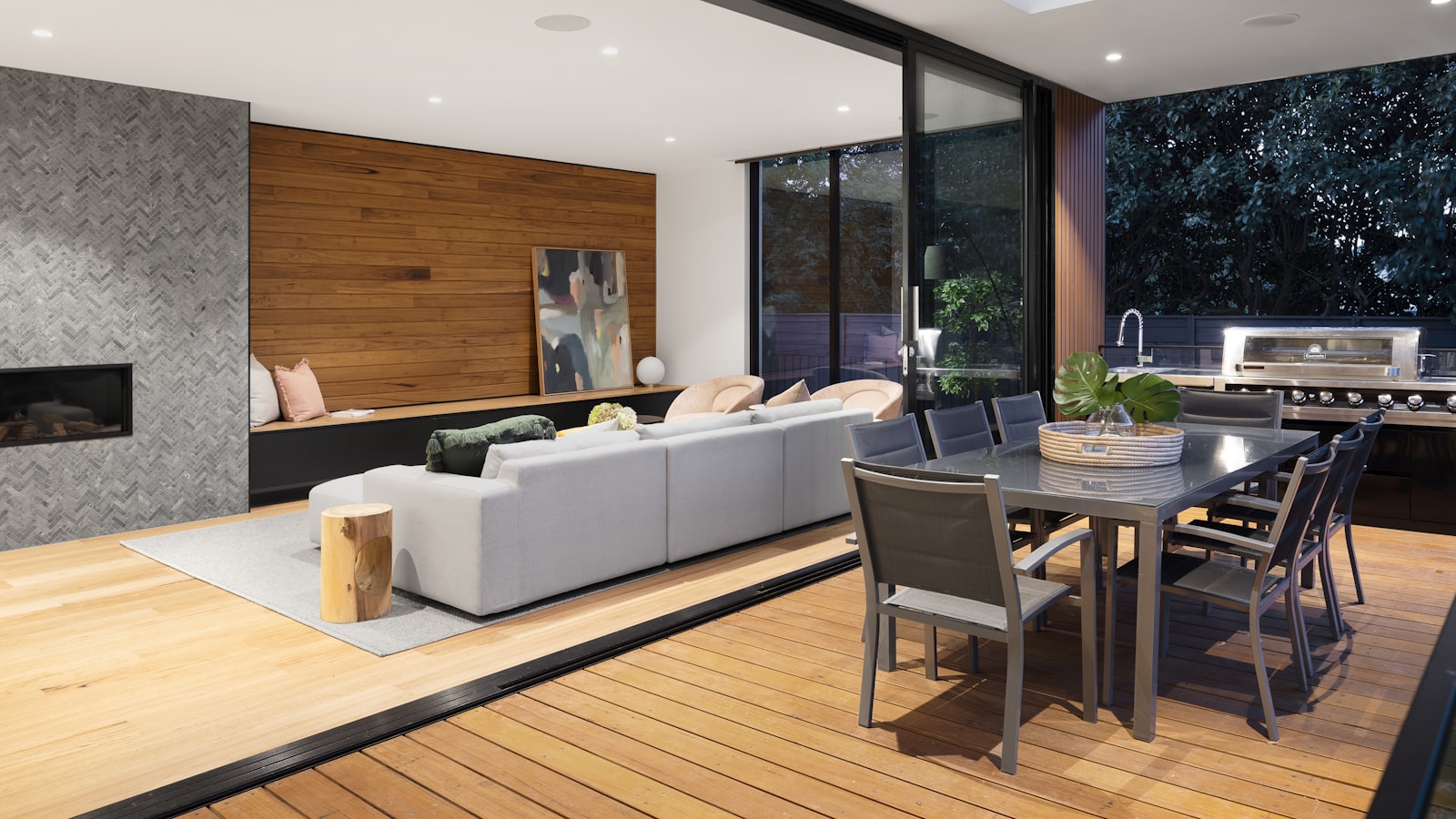
Once you've named your dominant tone, the other woods become accents that relate back to it rather than competing with it. A walnut floor might be the anchor, with a lighter oak side table and a richer cherry frame playing off it. Because one tone clearly leads, the others read as intentional layers instead of a random pile of finishes. Without that anchor, a room with five equal woods can feel restless; with it, the same five feel curated.
Choose your anchor first, then audition every other wood against it. When one tone leads, the rest fall into supporting roles and the whole room relaxes.
This also makes shopping and styling far simpler. When you spot a wood piece you love, you no longer ask whether it matches everything; you ask whether it works alongside your anchor. That single question keeps a room coherent while still letting it grow and change. The dominant tone is the steady backbone, and everything else is free to add character around it.
Match the undertone, not the color#
Here's the insight that makes mixing wood tones genuinely foolproof: look at the undertone, not the surface color. Every wood leans either warm or cool. Warm woods carry hints of red, orange, gold, or honey. Cool woods lean toward gray, ashy, or slightly greenish casts. Light and dark is almost beside the point — what your eye really registers, often without naming it, is whether the underlying temperature agrees.
The most reliable approach is to keep your woods in the same temperature family. A room full of warm woods — honey oak, golden pine, reddish cherry, rich walnut — feels cozy and cohesive even though the colors range from pale to deep. A room of cool woods, all those gray-leaning and ashy tones, feels calm and contemporary in the same way. When the undertones agree, you can mix light and dark and different species happily, because the temperature is doing the unifying work.
That doesn't mean you can never cross the line between warm and cool, but if you do, mix deliberately and use a buffer. A neutral element — black metal, a painted finish, white, or a rug — can sit between a warm and a cool wood and let them coexist without clashing. The practical takeaway is to train your eye to spot undertones first. Hold a small wood sample or a photo of your existing pieces against any new wood, ignore the brightness, and ask only one thing: do these lean the same way, warm or cool? Answer that, and the mixing nearly takes care of itself.
Repeat and bridge to tie it together#
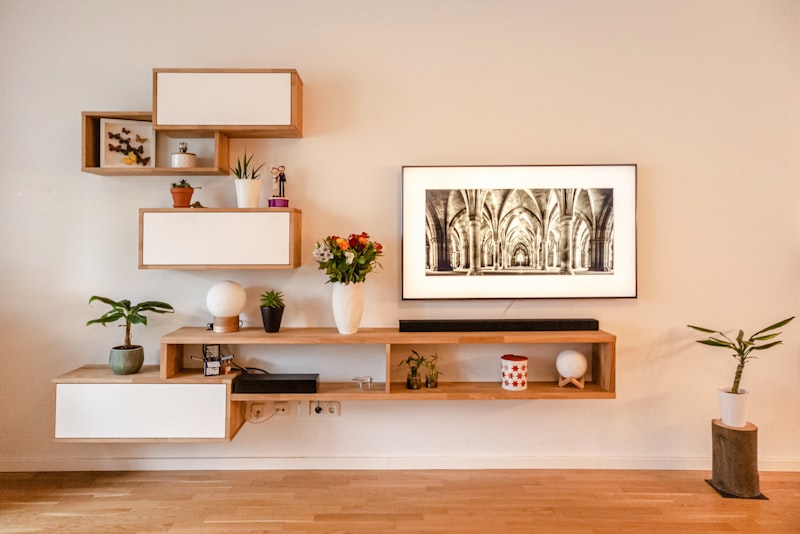
The final touch that makes mixed woods look planned rather than accidental is repetition. A wood tone that appears only once in a room can look stranded, like it wandered in from somewhere else. But repeat that same tone two or three times around the space and the eye reads it as a deliberate thread woven through the design. Spread each finish around rather than clustering it, so the tones travel across the room and feel connected.
You don't need much to create this rhythm — a few small moves do it:
- Let a wood frame, a small bowl, or a picture rail echo a larger wood piece across the room.
- Place pieces of the same tone on different sides so the eye bounces between them.
- Use a tray, a stool, or a shelf to repeat a finish in a fresh spot.
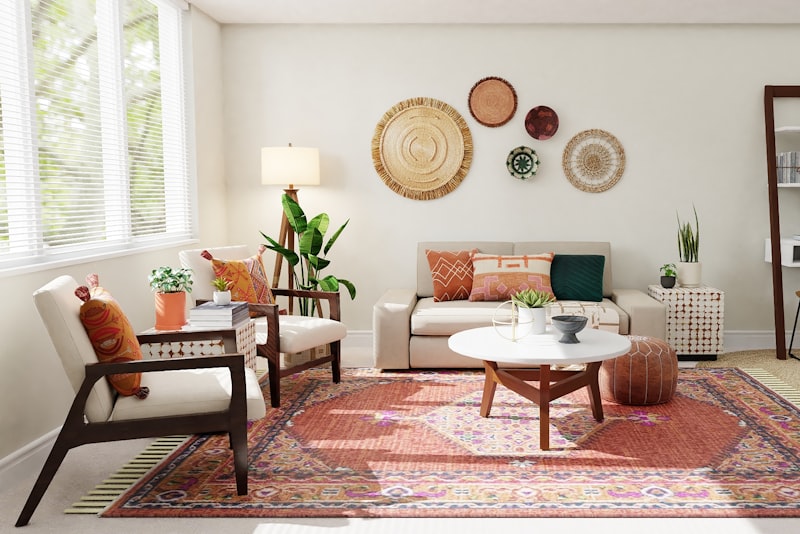
Then bridge the tones with the softer elements of the room, because wood never has to do the work alone. Rugs, textiles, plants, and metals all help different woods feel like family. A rug that contains both a warm and a cool note can quietly reconcile the woods sitting on it. Greenery and warm lighting soften and unify nearly any combination. Black or brass accents repeated around the room give the eye anchors that calm a busy mix.
Mixing wood tones is one of those skills that, once it clicks, changes how you see every room. Stop chasing the perfect match, anchor with a dominant tone, keep the undertones in agreement, and repeat each finish so it feels woven in. Do that, and your furniture will look gathered with care over years rather than ordered from a single page — which is exactly the warm, collected, unmistakably-yours feeling a real home is supposed to have.