There is a reason a sunny windowsill, a leafy plant, or a view of trees can make a room feel instantly better. Biophilic design takes that simple human pull toward nature and turns it into a way of shaping our homes. It is less a decorating trend and more a gentle return to something we have always quietly craved: a living connection to the natural world.
The Idea Behind Biophilic Design#
The word "biophilic" comes from the idea that humans have an innate affinity for nature and other living things. For most of our history we lived surrounded by greenery, water, sky, and natural light, and our sense of comfort grew up in that setting. Biophilic design simply acknowledges that we still respond to those things, even now that so many of us spend our days indoors.
In practical terms, it means weaving elements of the natural world back into our living spaces, not as an afterthought but as a guiding idea. That can mean literal nature, like plants and daylight, and it can also mean evoking nature through materials, colors, shapes, and patterns. The goal is to make a home feel less like a sealed box and more like a place that breathes.
What makes this approach so appealing is that it tends to make rooms feel calmer and more restful. A space rich in daylight, greenery, and natural texture has a soothing quality that is hard to fake with anything else. You do not need a grand budget or a house in the countryside to tap into it, either. Biophilic ideas scale beautifully, working just as well in a small apartment as in a large home, because they are about connection rather than square footage.
Light, Air, and Living Green#
If you want the biggest impact for the least effort, start with natural light. Daylight is the single most powerful natural element you can welcome into a home, and most rooms have more of it available than we use. Pulling heavy window coverings aside, swapping them for something sheer, keeping glass clean, and arranging furniture so it does not block the light all let more of the outdoors flow in. A bright room feels alive in a way a dim one never quite does.
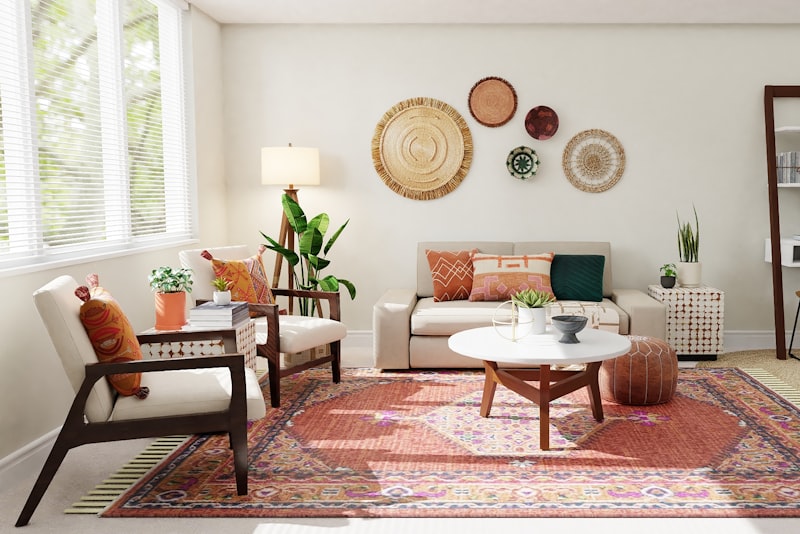
Real plants are the next obvious step, and they are the heart of most biophilic spaces. Greenery brings color, gentle movement, and a sense of being cared for that few other things can match. You do not need a jungle, and you certainly do not need to be an expert gardener. A few easygoing plants placed where they will actually thrive will transform a room's whole atmosphere. Trailing greenery on a high shelf, a leafy plant in a bright corner, and a small cluster on a sill give you variety without fuss.
A home does not have to imitate a forest, it only has to remember that we came from one.
Fresh air and a sense of openness matter too. Where you can, let rooms breathe by opening a window, and arrange your space so it feels connected to the outdoors rather than turned away from it. Even a single chair positioned to face a window with a bit of greenery beyond it can become the most restful seat in the house. These moves cost little or nothing, yet they are the very core of the style.
Natural Materials and Organic Shapes#
Beyond light and plants, biophilic design deepens through the materials you choose. Natural materials carry the texture, warmth, and honest imperfection of the living world, and surrounding yourself with them quietly reinforces that connection. Wood with a visible grain, stone, clay, rattan, bamboo, wool, linen, and cotton all bring a tactile, grounded quality that synthetic surfaces rarely manage. The more your hands meet natural textures throughout the day, the more your home feels rooted in nature.
Color plays a supporting role. Palettes drawn from the outdoors tend to feel the most settling, which is why earthy greens, soft browns, warm sandy neutrals, gentle blues, and muted clay tones appear so often in these rooms. You are essentially borrowing the colors of landscapes, and because our eyes find those combinations restful, the whole space relaxes. None of this requires repainting everything at once. Layering in natural tones through textiles and accents gradually shifts the mood.
Shape and pattern offer a quieter way in. Nature rarely deals in sharp, perfectly straight lines, so a room with a few softer, more organic forms tends to feel more natural and welcoming. A rounded table edge, a curved chair, a wavy ceramic, or a pattern that echoes leaves, water, or wood grain all gently nod to the outdoors. You do not have to banish straight lines, but introducing some organic curves keeps a space from feeling rigid and mechanical. The aim throughout is to surround yourself with the qualities of nature, even when actual nature is just out the window.
Bringing Biophilic Design Home#
The beauty of this approach is that you can begin today with whatever you already have, and grow it slowly. There is no single correct version and no finish line. You are simply nudging your home, step by step, toward a stronger connection with the natural world, and even small changes register.
Start by maximizing the daylight you already get, then add a plant or two in spots where they will be happy and easy to keep alive. Layer in some natural textures through a wooden bowl, a woven basket, or a linen throw, and let earthy colors creep into your accents over time. Position a comfortable seat where it can catch the light and a glimpse of green. If you are tempted to add a major feature like a large interior water element, a living wall, or new skylights, bring in a licensed professional to handle any plumbing, structural, or electrical work safely.
What makes biophilic design so lasting is that it is built on something timeless rather than fashionable. Our pull toward light, greenery, and natural texture is not going anywhere, which means a home shaped around it will keep feeling good for years. Begin with one sunny corner and one happy plant, add natural materials as you go, and let your rooms slowly reconnect with the living world. That is a deeply restful way to design the home you love, one small breath of nature at a time.