Few looks have aged as gracefully as mid-century modern. Decades after its heyday, those warm woods, clean silhouettes, and cheerful pops of color still feel fresh in a living room today. There is a friendliness to the style, an optimism, that keeps drawing people back to it generation after generation.
Where the Style Comes From#
Mid-century modern grew out of the middle of the twentieth century, a hopeful era when designers wanted to make beautiful, functional things for everyday homes. The mood of the time was optimistic and forward-looking, and the furniture reflected that. Pieces were designed to be useful and comfortable while celebrating new shapes and a sense of easy, modern living.
What sets the style apart from colder modern looks is its warmth. Where some twentieth-century design leaned chilly and severe, mid-century modern kept one foot firmly in comfort. It loved natural materials, gentle organic curves, and rich wood tones that invite you to sit down and stay a while. That balance of clean and cozy is exactly why it never feels clinical, and why it has outlasted so many trends that came and went.
You do not need to be a design historian to enjoy it. The reason this look endures is simple: it was built around things people actually like, a comfortable chair, a handsome piece of wood, a shape that pleases the eye. Those pleasures do not go out of fashion.
It also helps that the style was designed to be lived with rather than admired from a distance. The makers of this era were genuinely interested in everyday homes, not just showpieces, so the furniture tends to be sturdy, sensible, and comfortable in addition to good-looking. That practical streak is part of why mid-century pieces still feel so usable today. A well-made piece in this style was never meant to be precious, which is exactly what makes it so easy to fold into a busy, real-world household.
The Signature Look#
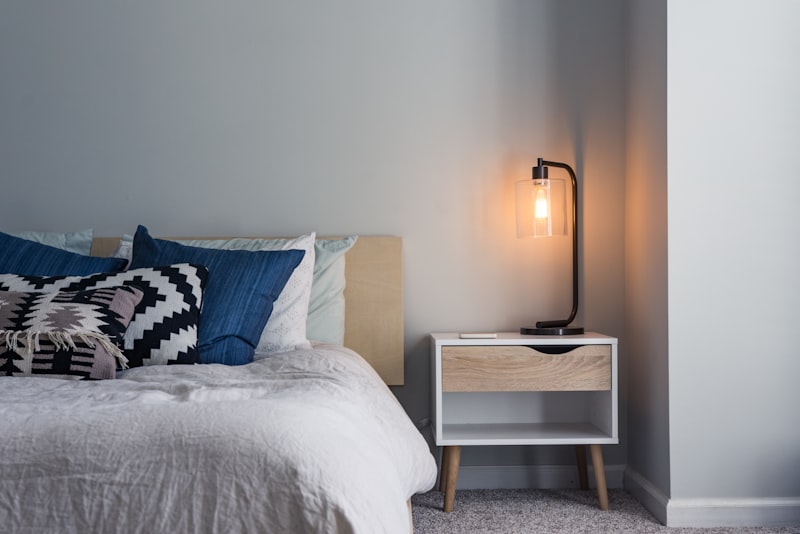
A few recurring gestures make mid-century modern instantly recognizable, and once you can spot them you will see them everywhere. The first is warm wood, especially honeyed and walnut tones, used generously on tables, sideboards, and chair frames. That wood is the soul of the style, giving even sleek pieces a natural, grounded warmth.
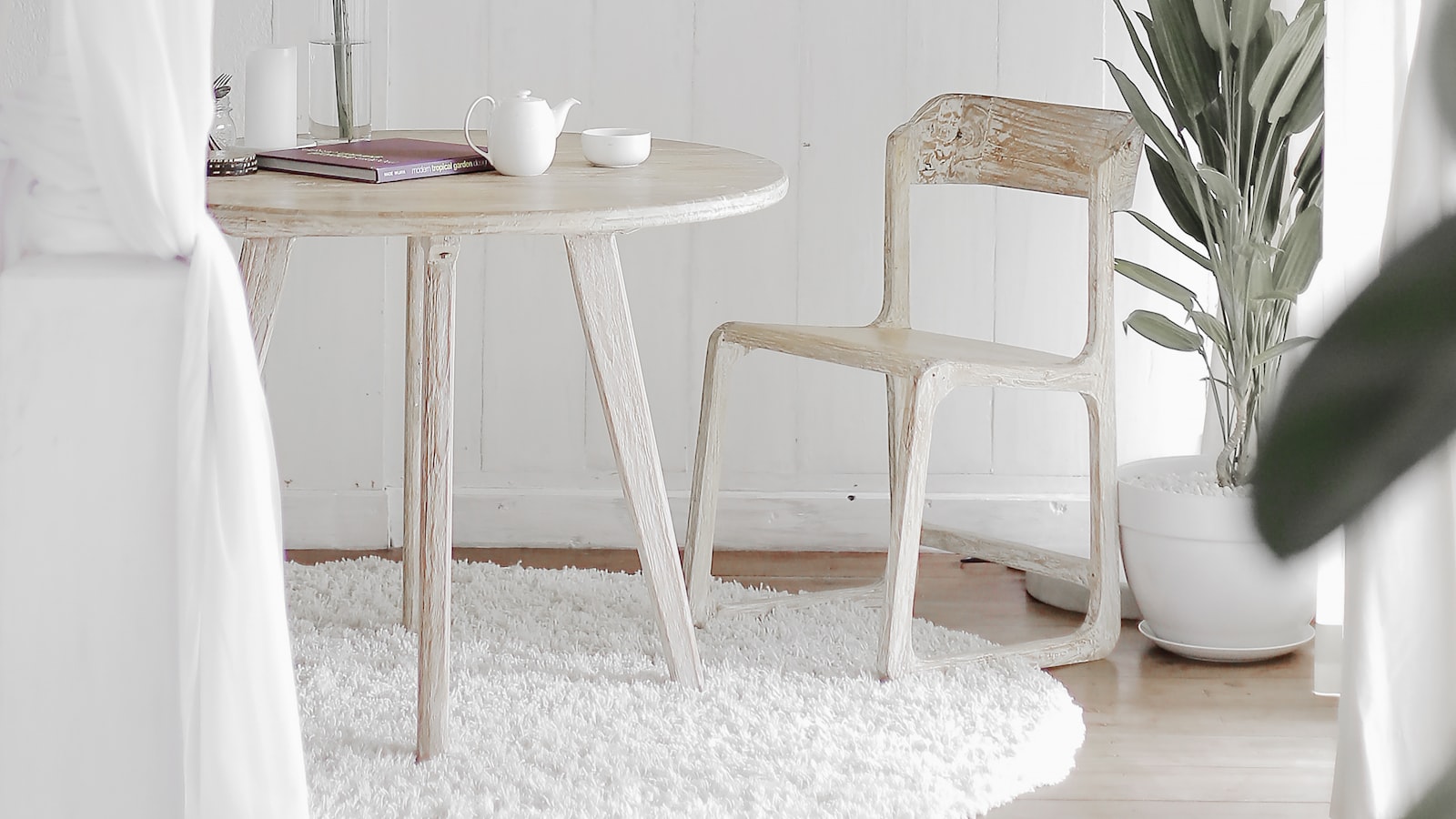
The second signature is the leg. Furniture in this style tends to stand on slim, tapered legs, often angled outward, which lifts pieces off the floor and makes a room feel lighter and more open. A sofa or cabinet that seems to float a little, rather than sitting heavily on the ground, is speaking this language.
Mid-century modern is the rare style that manages to feel both crisp and cozy at the very same time.
The third is the marriage of clean lines with gentle curves. Silhouettes are simple and uncluttered, yet softened by organic shapes rather than hard right angles everywhere. An armchair might have a straightforward frame but a seat that curves to cradle you. This blend of order and softness is what gives the look its relaxed confidence.
Color That Brings It to Life#
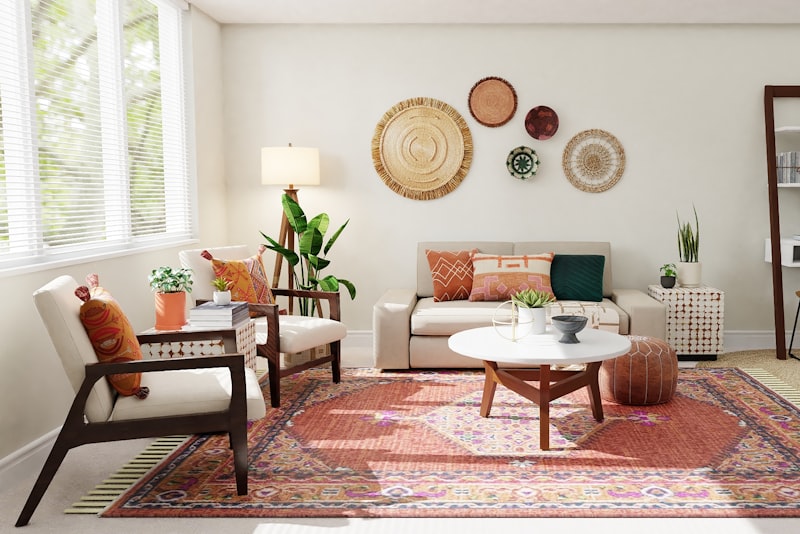
If the woods and lines are the calm foundation of mid-century modern, color is where it grins. The style is famous for its confident use of warm, lively hues set against neutral backdrops. Think of a single mustard-yellow chair in a wood-and-white room, or a deep teal cushion that wakes up a neutral sofa. These are not timid accents; they are cheerful, deliberate bursts of personality.
The key is to let those colors stand out by keeping their surroundings calm. When most of a room is warm wood and soft neutrals, one rich, saturated piece becomes a genuine focal point rather than just another item competing for attention. A little goes a long way here, and that restraint is what keeps the look feeling sophisticated rather than busy.
If bold color makes you nervous, start small. A pair of cushions, a single piece of art, or one accent chair lets you test the energy without committing the whole room. You can always add more once you see how good that first hit of color feels against the warm wood.
Bringing It Into Your Home#
You do not need a houseful of vintage pieces to capture this feeling. A few well-chosen moves go a long way, and the style is forgiving of mixing old and new.
- Anchor the room with one warm-wood piece, such as a sideboard or coffee table.
- Look for furniture with slim, tapered, slightly angled legs.
- Keep your background neutral, then add a single confident pop of color.
- Let one standout piece, perhaps a sculptural chair or lamp, lead the room.
- Mix in plants and soft textiles so the clean lines stay comfortable.
A single statement piece can do remarkable work. One genuinely lovely mid-century chair or sideboard, given room to be admired, can set the tone for an entire space even when everything around it is simple and contemporary. That makes the style approachable, because you can build toward it gradually rather than buying everything at once.
The other reason mid-century modern is so livable is that it mixes beautifully with what you already own. Its clean lines play nicely with both more traditional and more modern pieces, so you can fold its warmth into your home without starting over. A walnut table can sit happily beside a contemporary sofa or an inherited rug, and the result feels collected rather than forced.
What keeps people coming back to this style, in the end, is its sheer good humor. It is optimistic without being loud, refined without being fussy, and warm without losing its crispness. Bring in a piece of honest wood, lift it on a pair of tapered legs, let one joyful color sing, and you have the beginnings of a room that feels both timeless and genuinely happy. That is exactly how you design the home you love, one warm and confident choice at a time.