Minimalist design is one of the most misunderstood looks in the home. People picture a cold, empty white box and decide it is not for them. The real thing is something warmer and more generous: a home stripped down to the things that genuinely matter, so the parts you love finally have room to be felt.
What Minimalism Actually Means#
True minimalism is not about owning as little as possible or living in stark deprivation. It is about intention. Every object that stays in the room earns its place by being either useful, beautiful, or meaningful to you, and ideally more than one of those at once. Everything else quietly steps aside.
That shift in mindset changes the whole experience of a space. When a room is not crowded with things competing for attention, your eye relaxes and your mind tends to follow. There is a reason minimalist rooms so often feel calm. With less visual noise, the space gives you a kind of breathing room that a busier room simply cannot, no matter how lovely its individual pieces are.
So minimalism is less a style you copy and more a question you keep asking: does this thing deserve to be here? Answer that honestly across a room, and a clean, considered look emerges almost on its own. It is decorating by careful subtraction rather than constant addition, which is part of why it feels so restful to live with.
It is worth saying that this question is personal, not universal. What earns a place in your home will not match what earns a place in someone else's, and that is exactly as it should be. A minimalist musician might keep an instrument in full view; a minimalist cook might leave out a beloved set of knives. The style does not tell you what to value. It only asks you to be honest about what you do value, and then to clear away the rest so those few things are not buried. That makes minimalism far more flexible, and far less intimidating, than its stark reputation suggests.
The Power of Negative Space#
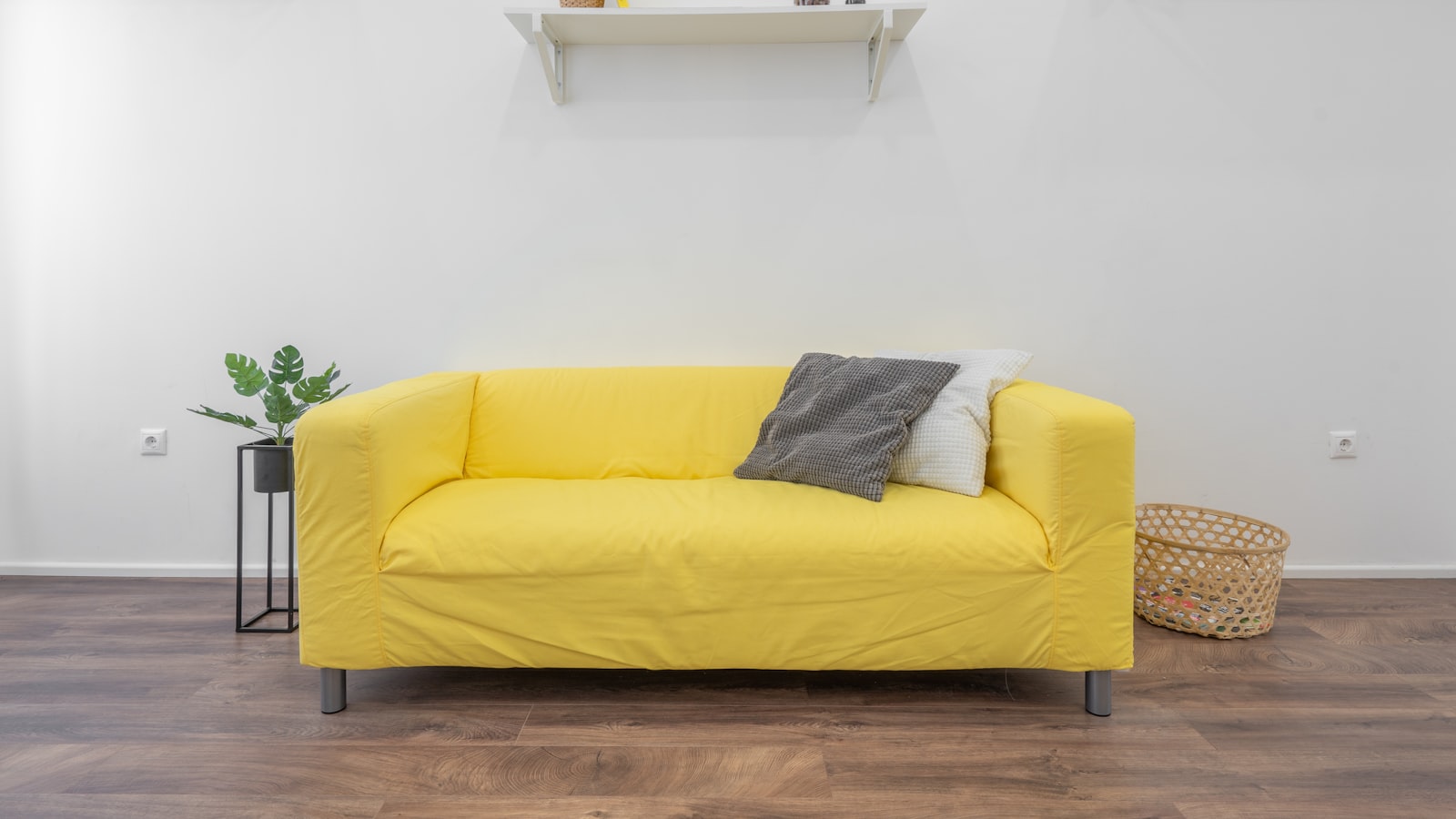
The most important tool in minimalist design is the space where nothing happens. Designers call it negative space, and learning to value it is the heart of this look. An empty stretch of wall, an uncluttered tabletop, a clear run of floor: these are not failures to decorate. They are the design.
Empty space is not the absence of design; it is the frame that lets the few things you chose finally be seen.
Think of how a single beautiful object looks lost on a crowded shelf but commands real attention when it sits alone on a clean surface. That is negative space at work. By giving your best pieces room around them, you let each one register fully instead of dissolving into a busy backdrop. The emptiness is doing something active, even though it looks like it is doing nothing.
This is also why minimalism rewards restraint rather than spending. You are not buying your way to a finished room; you are editing toward one. For many people that makes it a surprisingly accessible style, because the main investment is attention and a willingness to let go.
Keeping It Warm, Not Cold#
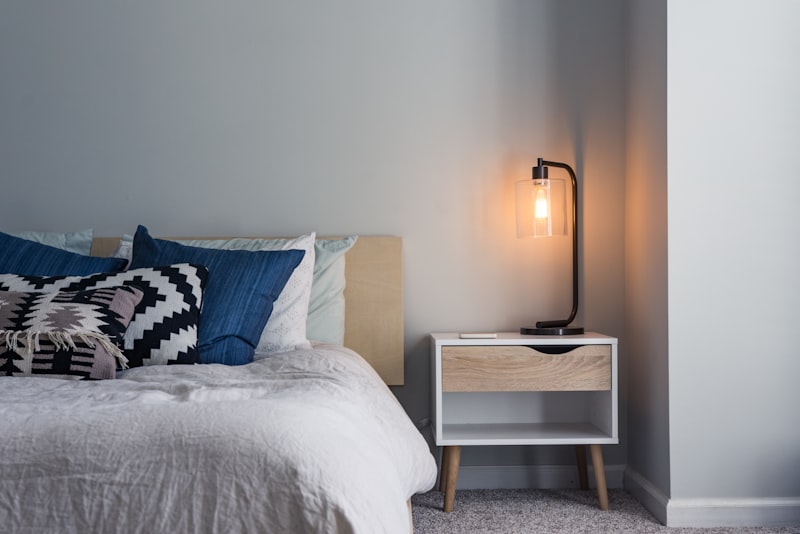
The biggest fear people have about minimalism is that their home will feel like a clinic. It is a fair worry, and avoiding it is mostly a matter of materials and light. A minimalist room with hard surfaces and harsh lighting can indeed feel cold; the very same layout in natural wood, soft textiles, and warm light feels serene and inviting.
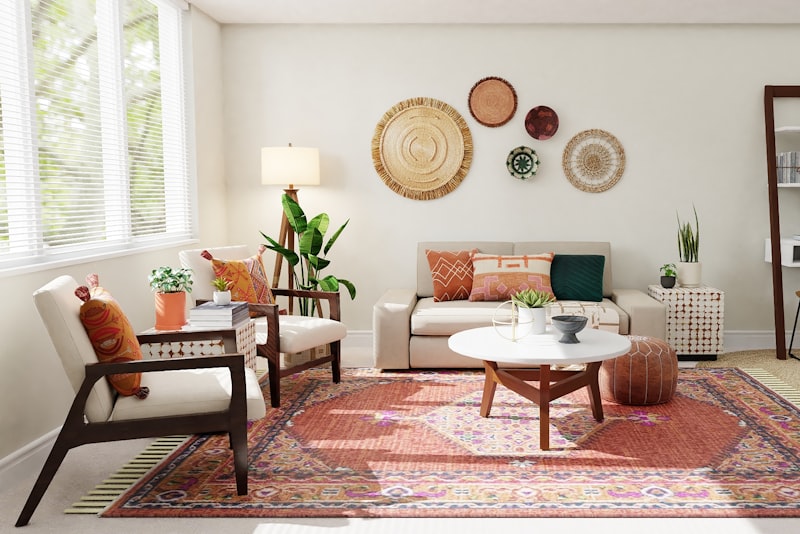
So lean into materials that carry natural warmth. A wooden floor or table, a wool rug, a linen sofa, and a few handmade ceramic pieces bring depth and humanity to a pared-back space. When color is restrained, texture becomes your richness, so choose surfaces you would actually enjoy touching. The contrast between a smooth wall and a nubby throw is the kind of quiet detail that makes a simple room feel alive.
Natural light does enormous work here too. A minimalist room flooded with daylight feels generous and calm, while the same room under cold overhead bulbs can feel stark. Keep window treatments simple, let the sun in, and add soft, warm lighting for the evening. Light is free, and in this style it is one of your most powerful decorating tools.
Living With Minimalism Day to Day#
A minimalist look is only as peaceful as it is practical, which means storage is your quiet best friend. The reason these rooms stay clear is rarely that their owners own nothing. It is that everyday clutter has a designated home behind a cabinet door or inside a drawer. Generous, well-planned storage is what lets the visible surfaces stay calm without anyone living in a constant battle against mess.
Be realistic about how you actually use your home, too. If you have children, pets, hobbies, and a busy life, a workable minimalism leaves room for them rather than pretending they do not exist. The goal is a home that feels clear and intentional while still functioning for the real people in it. A space so precious that no one can relax has missed the entire point.
Start small and let the calm spread. Choose one surface, perhaps a coffee table or a kitchen counter, and clear it down to just what belongs there. Live with that small island of order for a week and notice how it feels. Most people find the quiet so pleasant that the next surface, and the next, follow naturally. And if a change you are considering touches walls, wiring, or plumbing, bring in a licensed professional before anything is altered.
Minimalism, in the end, is not about having less for its own sake. It is about clearing away the noise so the things you truly love, and the daily life you actually lead, have room to breathe. Keep what matters, let go of what does not, and let warmth come through texture and light. That is how you design the home you love, one calm and deliberate choice at a time.