Some rooms feel like a warm embrace the moment you step inside. There is a sense of order, comfort, and quiet good taste that puts you instantly at ease. That feeling is the gift of traditional interior design, a timeless approach that has been making homes feel gracious and welcoming for generations, and shows no sign of stopping.
The Comfort of the Classic#
Traditional design draws on the enduring styles of the past, the kind of furnishings and arrangements that have proven themselves over decades rather than seasons. It is rooted in a love of comfort, craftsmanship, and a settled sense of home. Where some looks chase the new, traditional style finds beauty in the familiar and the well-made, and there is real wisdom in that patience.
At its heart, this is a style about feeling at home. The furniture is generous and comfortable, the layouts are calm and predictable, and nothing jars the eye. A traditional room invites you to sink into a deep chair, pour a cup of tea, and stay a while. That hospitable, unhurried warmth is the whole point, and it is why the style remains a favorite for the rooms where we gather and relax.
It is also a deeply forgiving style for real life. Because it is built on classic shapes and timeless materials rather than fleeting trends, a traditional room rarely looks dated. You can live with it for years, adding and refining as you go, without ever feeling the need to start over. That longevity makes it both a comforting and a sensible way to design, especially for a home you intend to love for a long time.
Symmetry, Shape, and Rich Materials#
If there is one organizing principle behind traditional design, it is balance. This style loves symmetry and a sense of order. Think of a pair of matching lamps flanking a sofa, two armchairs facing each other, or a mantel arranged with care so each side mirrors the other. This balance is restful to the eye and gives a room its composed, settled feeling. When something feels calm and "right" in a traditional space, symmetry is usually doing the quiet work.
The shapes themselves are classic and time-honored. Furniture tends toward graceful, recognizable silhouettes: rolled arms, turned legs, gentle curves, and tufted upholstery. These are forms that have been refined over generations, which is exactly why they read as elegant rather than trendy. There is comfort in their familiarity, a sense that they have earned their place.
Traditional design is the art of the timeless, choosing pieces that will look just as right in twenty years as they do today.
Materials matter enormously here, and they lean rich and warm. Polished and stained woods, especially in deeper tones, anchor the look with a sense of quality and permanence. Layered textiles add to the comfort, including elegant patterns like florals, stripes, plaids, and damask, often mixed within a coordinated palette. Soft, warm colors and a few refined details, such as a classic trim or a handsome frame, complete the gracious, put-together feeling.
Layering Pattern With Confidence#
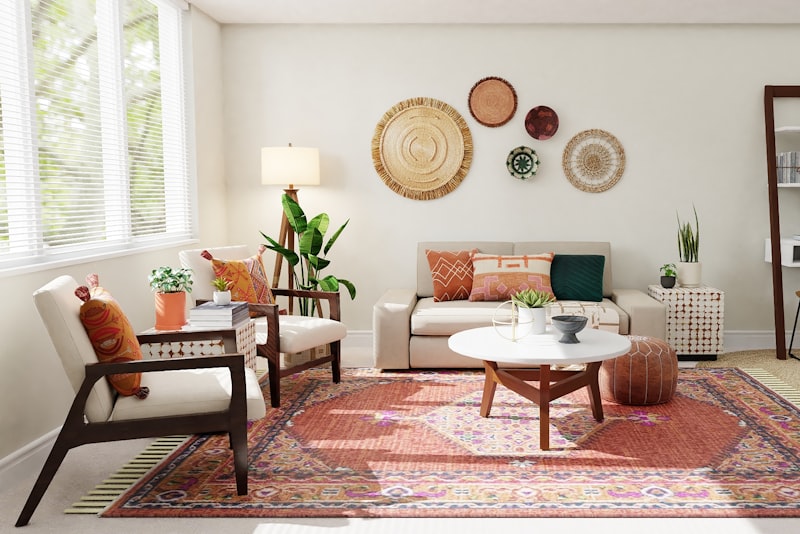
One of the joys of traditional style is its love of pattern, layered with a sure hand. A traditional room is rarely flat or plain. It mixes patterned upholstery, a patterned rug, patterned cushions, and perhaps patterned drapery, all working together rather than competing. This richness is part of what makes the style feel so full and welcoming.
The secret to layering patterns successfully is coordination through color. When several patterns share a common palette, the eye reads them as a harmonious family even when the motifs differ. A floral, a stripe, and a small geometric can all live happily in one room if they draw from the same handful of hues. Varying the scale helps too, pairing a larger pattern with a couple of smaller ones so they support rather than overwhelm each other.
Done well, this layering creates depth and a sense of considered comfort. It feels collected and intentional, like a room that has been thoughtfully composed over time. That impression of careful curation is central to the traditional look, and it is far more achievable than it appears once you anchor everything to a shared color story.
Bringing It Into Your Home#
You do not need a grand house or a houseful of antiques to enjoy this style. Traditional design is about feeling, balance, and quality more than scale, and a few principles will carry you far.
- Arrange key pieces symmetrically, using pairs to create calm and order.
- Choose classic furniture shapes with graceful, time-tested silhouettes.
- Bring in warm wood tones to anchor the room with quality and depth.
- Layer coordinated patterns and soft textiles for richness and comfort.
- Add a personal heirloom or two so the room feels genuinely yours.
That final point is the one I always come back to. The most beautiful traditional rooms are not showrooms. They are personal, layered with the pieces a family has gathered and treasured. An inherited clock, a well-loved chair, a framed photograph, or a piece passed down through the years gives a traditional room its soul. These touches turn a tasteful arrangement into a true home, full of stories only you can tell.
What makes traditional design endure is exactly what its name promises: it is built on the timeless rather than the temporary. By prizing comfort, balance, craftsmanship, and a warm welcome, it creates rooms that feel gracious for a lifetime, not just a season. Start with a symmetrical arrangement, a classic shape, and a warm wood tone, then layer in the patterns and heirlooms you love. That is exactly how you design the home you love, one timeless, comfortable choice at a time.